
Last updated November 25, 2026
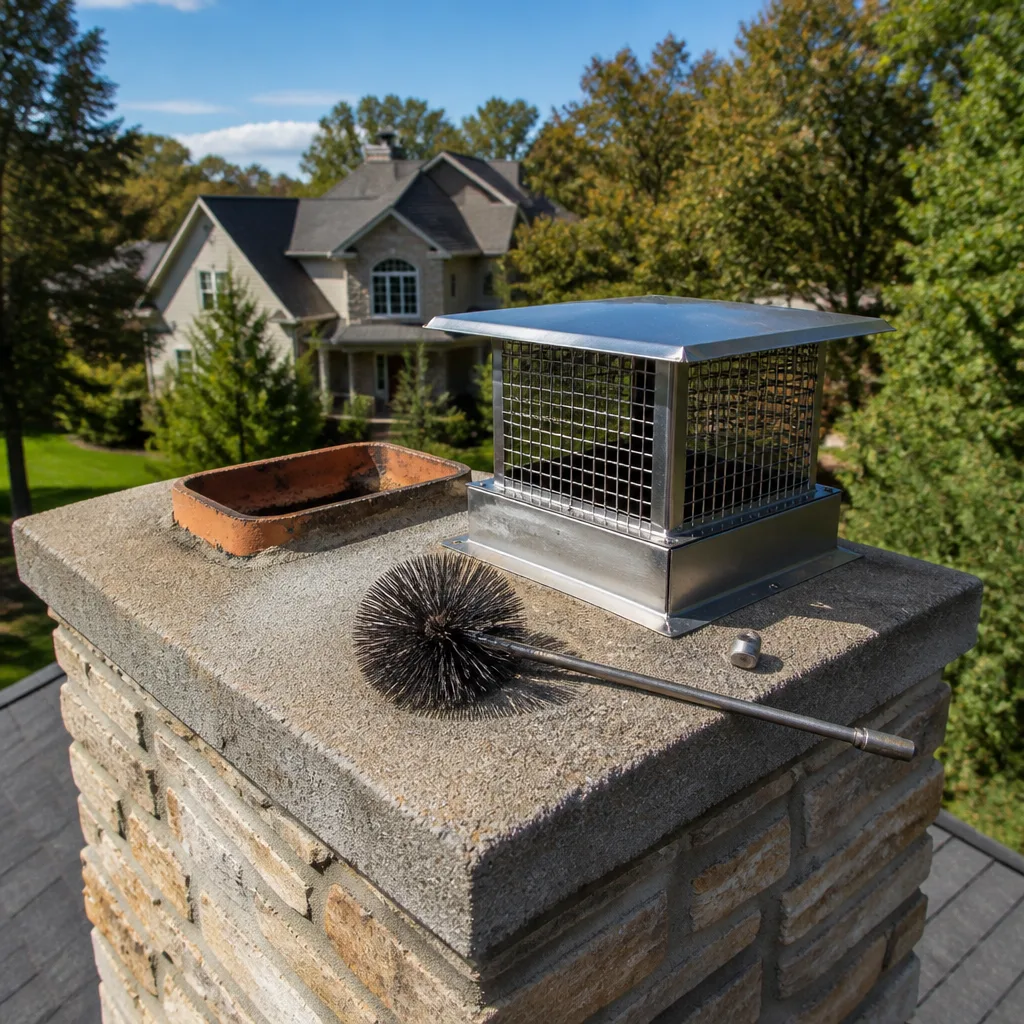 Sweep & inspection
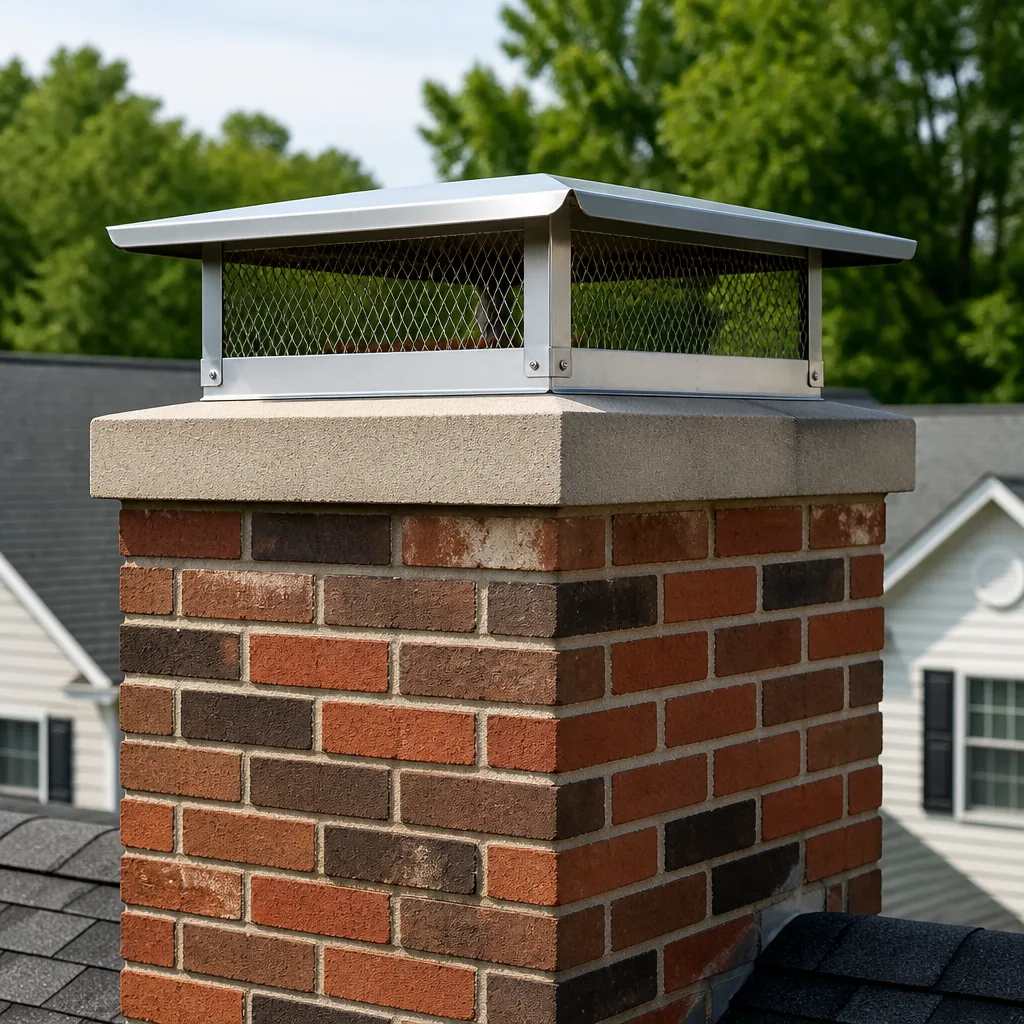 Caps & crowns
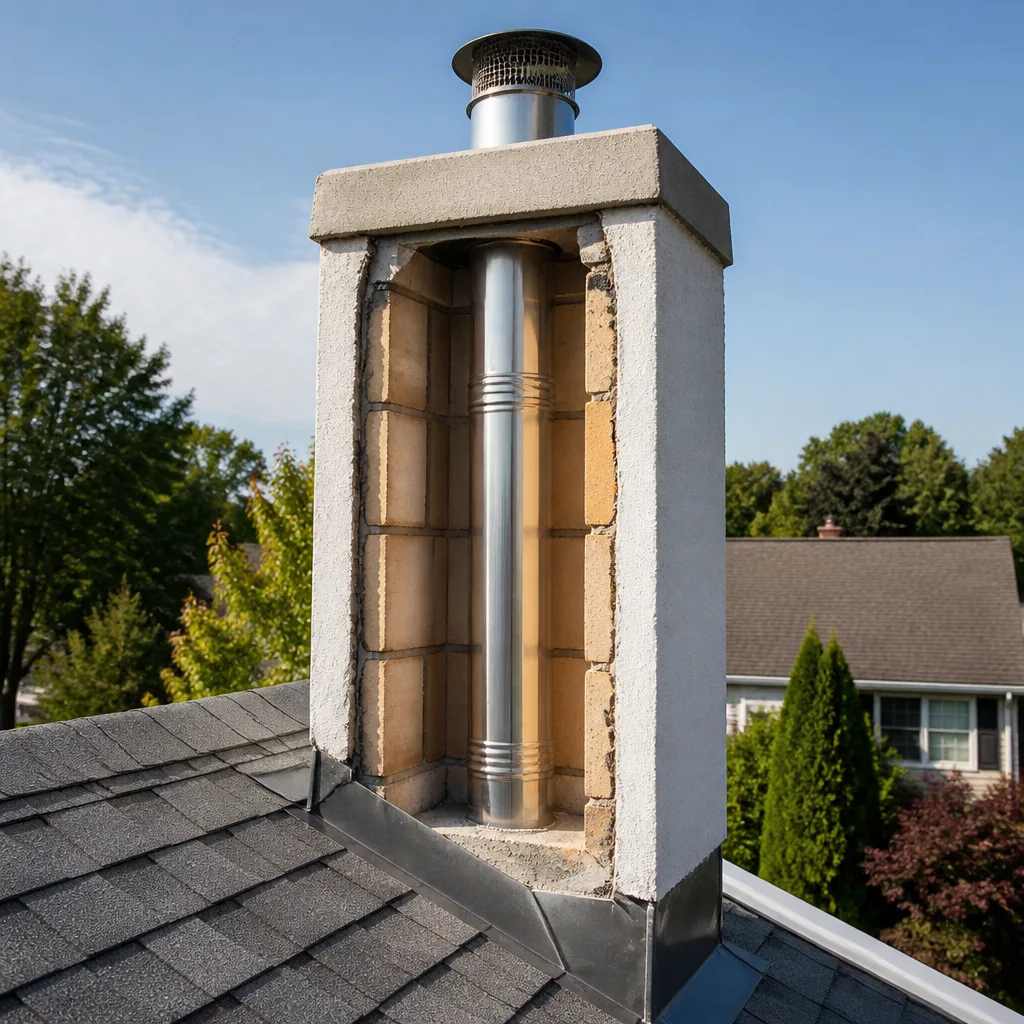 Flue relining
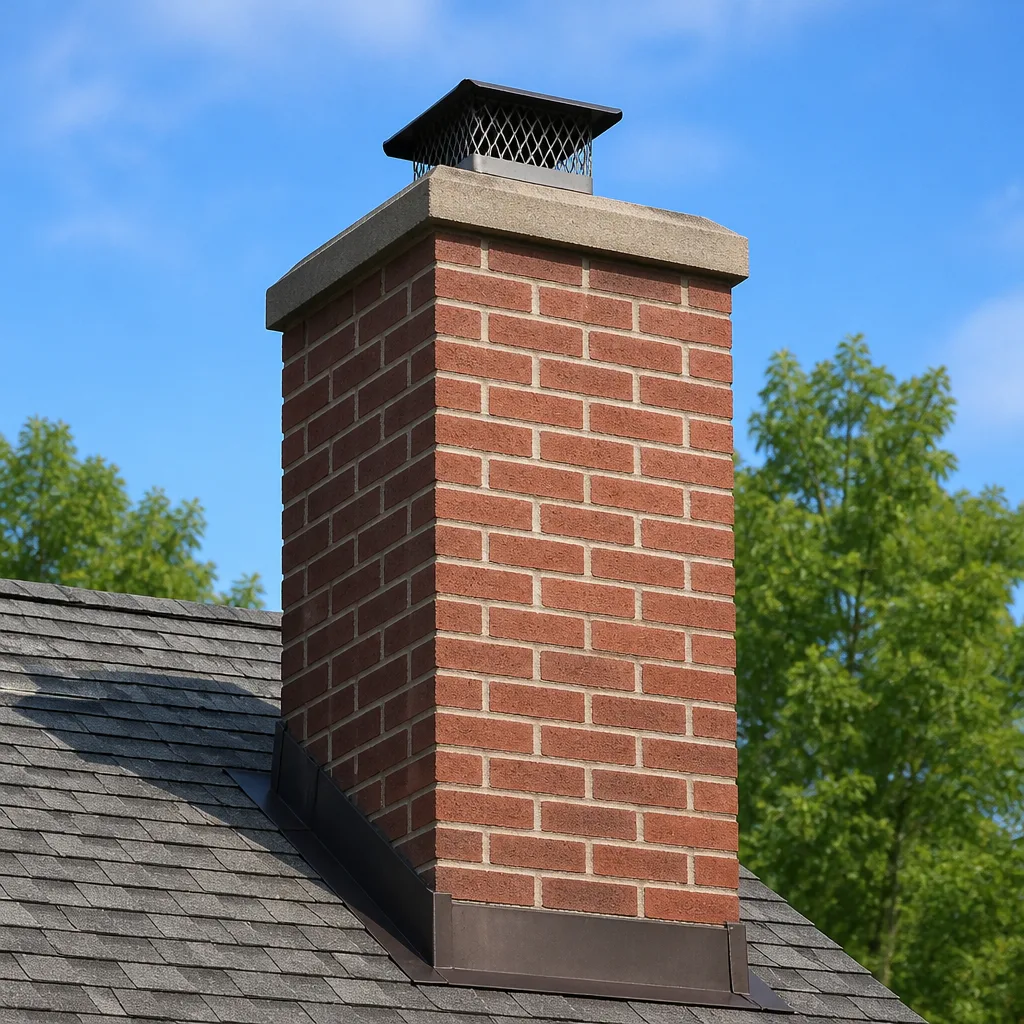 Masonry repair
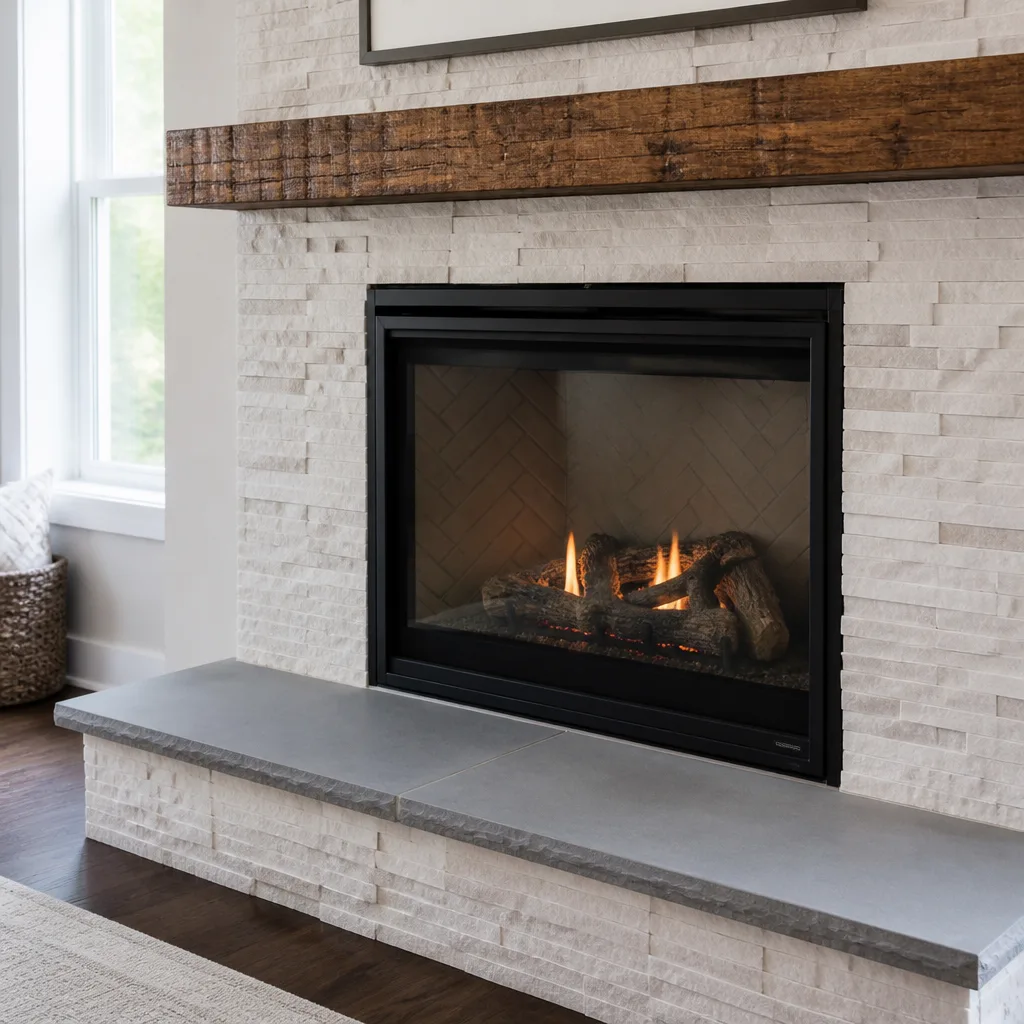 Gas fireplace service
Level 1 sweep and inspection to the NFPA 211 annual standard - flue, crown, cap, and flashing checked and photographed
Chimney sweep logs do not sweep chimneys. They loosen some creosote - which then falls where a brush and vacuum still have to collect it.
Choosing the Right Chimney Cleaning Brand: A Buyer’s Guide for Highbridge
Chimney cleaning logs and store-bought creosote treatments don’t clean your chimney. They modify creosote chemistry so a later professional sweep is easier, and confusing that with a finished job is how homeowners end up with a false sense of a completed cleaning. The product sitting on the shelf is a preparation tool, not a substitute for a brush, a rod, and someone who knows what they’re looking at. This guide explains what professional-grade chimney products actually do, what the difference is between a hardware-store formulation and a professional one, and how to ask a contractor in Highbridge the questions that reveal whether they’re buying through legitimate channels. By the end, you’ll know what to ask before anyone touches your flue.
Quick Answer
Choosing the right chimney cleaning brand comes down to understanding what each product is designed to do, not which label looks most familiar. Creosote modifiers like Rutland and CSL soften hardened deposits so mechanical sweeping can remove them, while professional-grade lines like DuraFlex, HeatShield, Gelco, and Copperfield handle liner restoration, cap and crown fabrication, and masonry sealing. A competent Highbridge contractor uses both categories in a defined sequence: modify, sweep, inspect, then restore only what the condition report shows needs it.
Styles & brands we work with
- Sweep & inspection
- Caps & crowns
- Flue relining
- Masonry repair
- Gas fireplace service
Table of Contents
- What Do Creosote Modifiers Actually Do?
- Professional Formulations vs. Hardware Store Products
- How to Ask a Contractor Which Product Lines They Use
- Why Crown Sealers and Waterproofing Belong in a Cleaning Visit
- What “Industry-Grade” Really Means in the Chimney Trade
- The Product Lines You’ll Encounter and What They’re For
- How to Verify Correct Application
What Do Creosote Modifiers Actually Do?
A creosote modifier changes the physical structure of creosote inside the flue. It doesn’t remove anything. It’s a chemical agent, typically delivered as a log or a powder, that reacts with the hardened glaze on the flue wall and makes it brittle enough that brushing can break it away. Without a modifier, third-degree glazed creosote can resist a standard sweep brush almost entirely, and a contractor who doesn’t recognize that is a contractor who will tell you your chimney is clean when it isn’t.
The two names you’ll see most often in this category are Rutland and CSL. Rutland is the wider consumer-facing brand with a range of creosote treatment logs sold in hardware stores. CSL is a professional powder formulation that gets applied by the sweep at a measured dose, often a day or more ahead of the actual cleaning visit, to give the chemistry time to work. Both are legitimate tools. Both have a defined role. Neither is a cleaning.
The sequence in a professional process looks like this:
- Assessment. The sweep checks the firebox, smoke chamber, and flue for the stage and thickness of creosote. Stage three glazed creosote requires a different approach than stage one soot.
- Modification. If glazed creosote is present, a modifier is applied and left to work. Sometimes that means a second visit.
- Mechanical sweep. Rotary or hand brushes, sized to the flue, physically remove what the modifier has loosened.
- Inspection. A camera check confirms what was removed and what wasn’t.
- Restoration. Only if the inspection shows a defect that requires it.
That last point matters more than anything else in this guide. A creosote modifier is not a cleaning, and any contractor who presents one as a standalone solution is skipping steps two through five. Homeowners in Highbridge who heat with wood through winter are especially prone to glazed creosote because the burn cycles in a cold-climate house tend to run hot and cool rather than steady. If a contractor quotes you for a modifier log and nothing else, ask what the follow-up sweep schedule looks like.
Professional Formulations vs. Hardware Store Products
The same chemical category sold under the same name is not the same product when the concentration and application method differ. That’s the crux of the consumer-versus-professional distinction in chimney products. A consumer-grade creosote treatment log sold in a hardware store is designed for a homeowner to drop in a stove once, safely, with no training. A professional powder formulation like CSL is dosed by weight based on the flue’s measured volume and applied by someone who has been trained on it. Same purpose, different tool, different hands.
The distinction holds across the trade:
- Concentration. Consumer products are formulated at a strength safe for unsupervised use. Professional formulations are stronger and require measurement and training to apply correctly.
- Application method. A log is a log. A powder is measured, distributed, and often applied days ahead of the sweep to allow dwell time.
- Scope. Consumer products cover creosote modification and simple touch-ups. Professional lines cover liner resurfacing, crown fabrication, custom cap fitting, and structural masonry repair.
- Sourcing. Professional formulations are bought through supply channels available to the trade, not through the shelf at a home improvement store. That matters when you’re trying to work out whether a contractor is a genuine specialist.
We name the materials we use and why we chose them, because a homeowner in Highbridge asking “what are you putting in my flue?” deserves a specific answer. A contractor who can’t tell you the brand of modifier, the brand of cap, and the brand of crown sealer they use is telling you something about how they source their work. The right product for the specific problem, not the easiest upsell, is the standard to hold them to.
How to Ask a Contractor Which Product Lines They Use
The single most useful question you can ask a chimney contractor is a boring one: “Which product lines do you use, and why?” The answer reveals almost everything. A specialist names specific brands because they’ve made sourcing decisions. A generalist says “we use whatever’s good” and moves on, which is a sign they’re not buying through professional channels at all.
Here’s the sequence to work through, section by section of the system:
- Smoke chamber treatment. Ask what product they use to parge and seal the smoke chamber if it’s rough or has gaps. Professional sweeps resurface a smoke chamber to smooth the transition between the firebox and the flue. HeatShield is one professional-grade system used for exactly this. If the answer is “we don’t touch the smoke chamber,” ask why.
- Liner conditioning or resurfacing. If the liner has cracks or gaps, ask whether they resurface or reline. HeatShield is a professional resurfacing system designed to restore an existing flue liner without full reliner replacement, which is cost-relevant and worth asking about specifically. DuraFlex is a recognized flexible relining line used when a full reline is the correct answer. A contractor who only offers one path is worth questioning; a contractor who knows both and can explain the difference knows what they’re doing.
- Caps and crowns. Ask which brands they fabricate or install for chimney chimney cap & crown work. Gelco, Olympia Chimney, and Famco are professional-grade lines, and each is associated with purpose-built cap and crown solutions rather than generic hardware. If the answer is a name you don’t recognize from a home improvement aisle, that’s not a red flag; that’s a good sign.
- Masonry sealing. Ask what they use to waterproof the crown and any masonry above the roofline. A professional chimney sealer is formulated to breathe, not trap moisture.
- Documentation. Ask to see the product they plan to use before the job if you want to. A contractor confident in their sourcing will show you the can, the packaging, or the spec sheet without hesitation.
What the answers tell you: a contractor who names brands confidently, explains why each was chosen, and can describe the difference between two products in the same category has professional sourcing and training behind them. A contractor who gets vague, deflects, or changes the subject is buying from wherever is cheapest. Highbridge homeowners with an active fireplace deserve the first kind.
Why Crown Sealers and Waterproofing Belong in a Cleaning Visit
A chimney crown sealer is not an upsell. It’s the difference between a chimney that lasts and a chimney that starts leaking water into the masonry within a couple of seasons. The crown is the concrete top of the chimney, the flat surface that sheds water away from the flue. When the crown cracks or is poured too thin, water gets into the brickwork, freezes, expands, and spalls the brick from the inside out. In Highbridge, where winter cycles below freezing and thaws, that freeze-thaw damage is one of the most common structural problems we encounter on a condition report.
The catch is that crown sealing is often tacked onto a cleaning quote with no verification. Here’s how to tell the difference between a properly scoped sealing job and a hasty one:
- The crown is checked during the sweep. Any proper cleaning visit includes a look at the crown, cap, and any visible masonry. If the sweep shows you photos, that’s the verification.
- Product is named. ChimneySaver is one widely recognized name in chimney waterproofing. If your contractor uses a product they can’t name, ask what it is and what it’s formulated for.
- Surface prep is described. A sealer applied to a dirty or wet crown won’t bond. A proper job includes cleaning and drying before application, and any contractor worth the name will describe that prep step.
- Breathability matters. A sealer that traps moisture inside masonry does more harm than good. Professional chimney sealers are vapor-permeable by design.
- The scope is written. Crown crack repair is a separate step from crown sealing. Ask which one the quote covers.
The frame that matters here: waterproofing is part of a whole-system approach to the chimney. An inspection that tells you what’s there, not just what we can sell you, is the right starting point. If the crown is sound and the product isn’t needed, we tell you so. If it’s cracked and water is getting in, the crown sealer is the difference between a small repair now and a structural one later. That’s a recommendation grounded in a photo, not a pitch.
What “Industry-Grade” Really Means in the Chimney Trade
“Industry-grade” is a phrase tossed around freely, so it’s worth pinning down. In the chimney trade, it means two concrete things: the product is manufactured by a company whose business is chimney and hearth products, and the contractor buying it is sourcing through supply channels open to the trade. That’s it. It’s not a certification mark, and it’s not a seal of quality in the marketing sense. It’s a sourcing fact, and one you can check.
The lines that come up most in professional chimney work in the US:
- DuraFlex. A flexible flue relining line used when a full reline is the correct solution for a failed or unlined chimney.
- HeatShield. A professional flue resurfacing system, used to restore an existing liner without full reliner replacement where the damage allows.
- Gelco. A recognized line for chimney caps and related products.
- Olympia Chimney. A professional line covering caps and other chimney components.
- Famco. A professional line for chimney caps and covers, associated with commercial-grade fabrication.
- Copperfield. A recognized line in chimney product sourcing.
None of these names mean anything if the contractor can’t explain the product’s purpose. The documentation that shows a contractor is buying from legitimate supply channels is a combination of three things: they can name the exact product they’re installing, they can show you the packaging or the spec sheet, and the product arrives with the manufacturer’s documentation attached. Any of those three alone is thin. Together they’re a reliable signal. If a contractor can’t produce any of the three, ask them to source from a channel that can.
For Highbridge homeowners, that standard is worth applying before you hire. The town’s housing stock runs from older masonry chimneys to more recently built homes, and each one needs a slightly different product answer. Not every chimney needs DuraFlex, and not every liner can be saved with HeatShield. The right product for the specific problem is the standard, and it’s the one we hold ourselves to.
The Product Lines You’ll Encounter and What They’re For
Once you start asking about product lines, you’ll hear the same handful of names come up. Understanding what each is for tells you a lot about how the job in front of you should go. Here’s the shortlist, sorted by function:
- Creosote modification: Rutland and CSL. A creosote modifier is applied ahead of a sweep to break down glazed deposits so brushes can remove them. Rutland is the wider consumer-facing name for treatment logs. CSL is a professional powder formulation, dosed to the flue. Both are preparation tools; neither replaces a sweep.
- Liner resurfacing: HeatShield. Used when an existing liner is damaged but recoverable, to smooth and restore the flue interior without full reliner replacement. This is a professional system, applied by a trained technician, and worth asking about if a contractor tells you a full reline is the only option.
- Liner replacement: DuraFlex. Used when the existing liner is beyond resurfacing and a new flue path is required. A full reline is a larger job with a different scope, and it’s the correct answer when the original flue can’t be saved.
- Caps and crowns: Gelco, Olympia Chimney, Famco. These are professional lines for fabricating and fitting chimney caps and crowns. A purpose-built cap with a proper fit, sized to the flue, is a different product from a generic cap picked up at a hardware store, and the difference shows up in how well it handles weather.
- Waterproofing: ChimneySaver (and similar professional sealers). Vapor-permeable masonry sealers applied to the crown and above-roof brickwork, after surface preparation. Part of the cleaning visit scope, not a separate upsell, wherever the condition report shows cracked or absorbent masonry.
- Masonry and structural repair: job-specific. Tuckpointing mortar, crown rebuild materials, and flashing repair all fall under the chimney repair side of the trade. Ask what mortar mix and what flashing material is planned.
One line to draw clearly: consumer-grade and professional-grade formulations are not interchangeable. A homeowner can buy a Rutland log at a hardware store; only a trained technician can apply a CSL powder dose correctly, and only a professional supplier carries HeatShield or DuraFlex. The framing question is always “what are you using, and why that product for this chimney?”
How to Verify Correct Application
Verification is the step most homeowners skip, and it’s the one that separates a real job from a hopeful one. You don’t need to be a chimney sweep to check that the work was done properly. You need to know what evidence to ask for. In our experience, the process comes down to a few clear checkpoints.
- Ask for before-and-after photos. A camera inspection captures the flue interior at the start and at the end. A professional sweep will show you both without being asked twice. A sweep who doesn’t take photos has no record to show you, and that’s a sign.
- Read the written report. The condition report should list what was checked, what was found, and what was recommended, with the reason for each recommendation tied to a defect. No defect, no recommendation. That’s the rule.
- Confirm product names on the invoice. If the quote said HeatShield, the invoice should say HeatShield. If it said Gelco, the invoice should say Gelco. Vague line items like “sealer applied” tell you nothing about what was actually used.
- Check the crown after waterproofing. Within a few days, a properly sealed crown should look uniform and dry. Bubbling, patchy coverage, or a chalky residue that won’t wash off are signs of a botched application.
- Look at the cap fit. A purpose-built cap fits the flue opening snugly and covers the crown with clear venting. A loose or off-center cap is either the wrong product or the wrong installation.
- Ask what should wait. A contractor confident in their inspection will tell you what doesn’t need doing right now. “We’ll check that again next sweep” is a good sign, not a bad one.
We don’t promise to find work on every visit, because that’s not how a chimney system behaves. Some clean sweeps come back with nothing but a report and a note that the crown is fine. Those are good visits. When we do recommend a product, the reasoning is in the report. If you ever get a recommendation with no camera evidence to back it, ask for the evidence. You should have it.
If you haven’t had your chimney looked at this year, the chimney sweep is the right starting point. A sweep is booked, and the urgency is seasonal: get it done before burning season, before the first fire of the year, not in a rush the week the cold sets in.
Common Mistakes to Avoid
- Treating a creosote log as a cleaning. A modifier softens creosote; it doesn’t remove it. Booking a modifier and skipping the follow-up sweep leaves the deposit in place, just in a different form.
- Buying a hardware-store cap and calling it done. A generic cap picked off a shelf usually doesn’t fit the flue opening properly, and a poorly fitted cap is worse than no cap. A purpose-built Gelco, Famco, or Olympia Chimney cap is sized for the job.
- Accepting a full reline quote without a second look. Ask whether resurfacing with HeatShield is an option before agreeing to a full reline. If the contractor can’t explain why resurfacing won’t work, get another opinion.
- Letting crown sealing get bundled into a quote without photos. Waterproofing without prep is money down the drain, and without before-and-after photos you can’t tell which happened.
- Hiring on price alone in Highbridge. The cheapest chimney quote is often the one with the shortest scope. What looks like a $75 saving on the front end tends to reappear as a second visit or a repair later.
- Skipping the inspection when you’re buying a house. A standalone inspection before closing, separate from any cleaning, gives you an objective condition report. That’s a different product from a cleaning, and it should be booked as one.
- Ignoring the smoke chamber. It’s the most often skipped part of the system. A rough or gapped smoke chamber affects draft and is a fire pathway if it’s not parged properly. Ask about it on every visit.
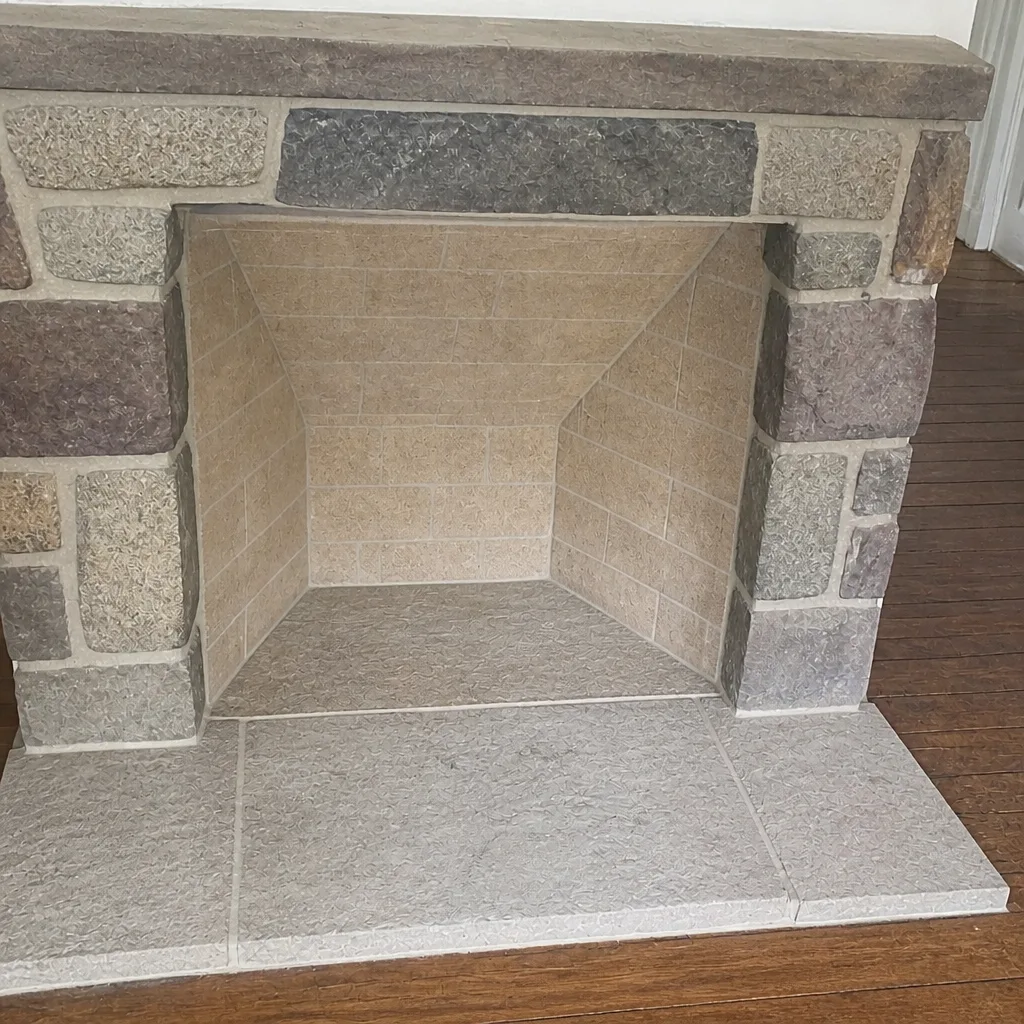
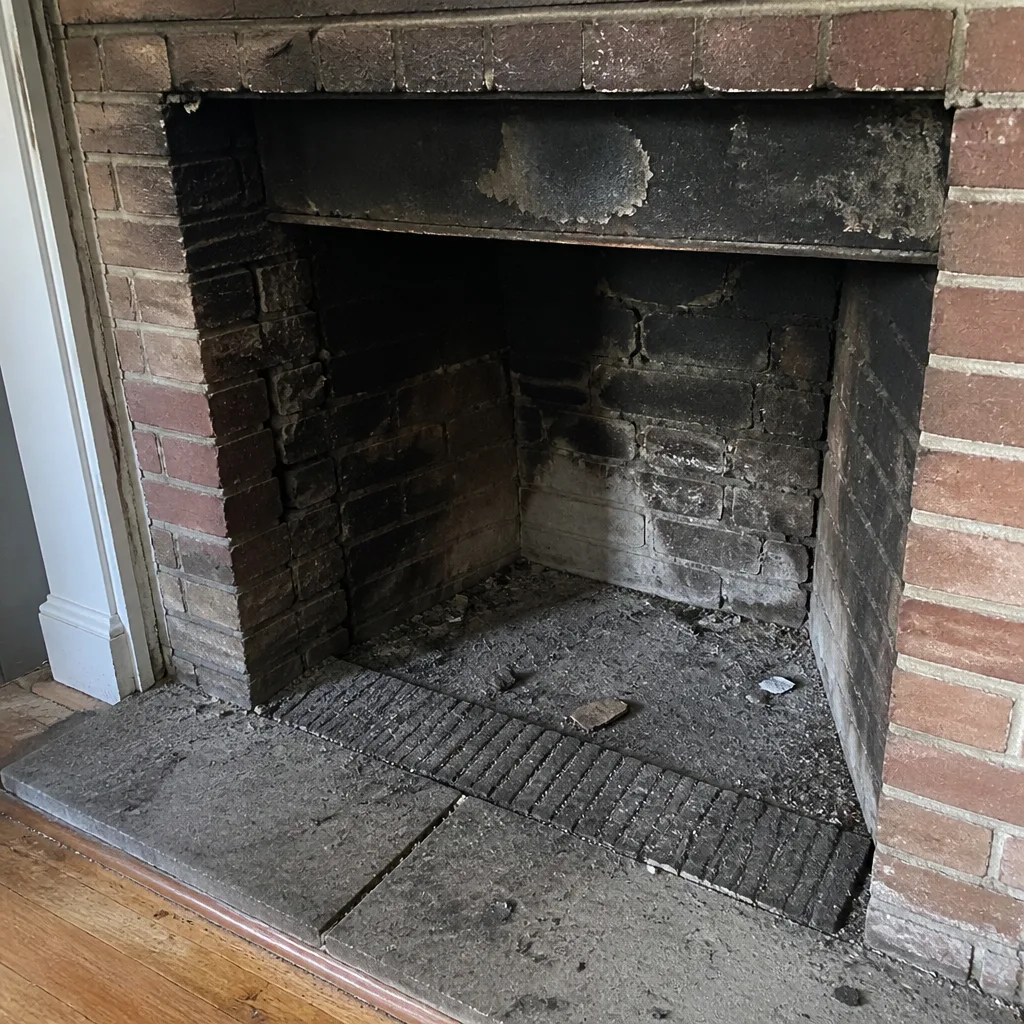
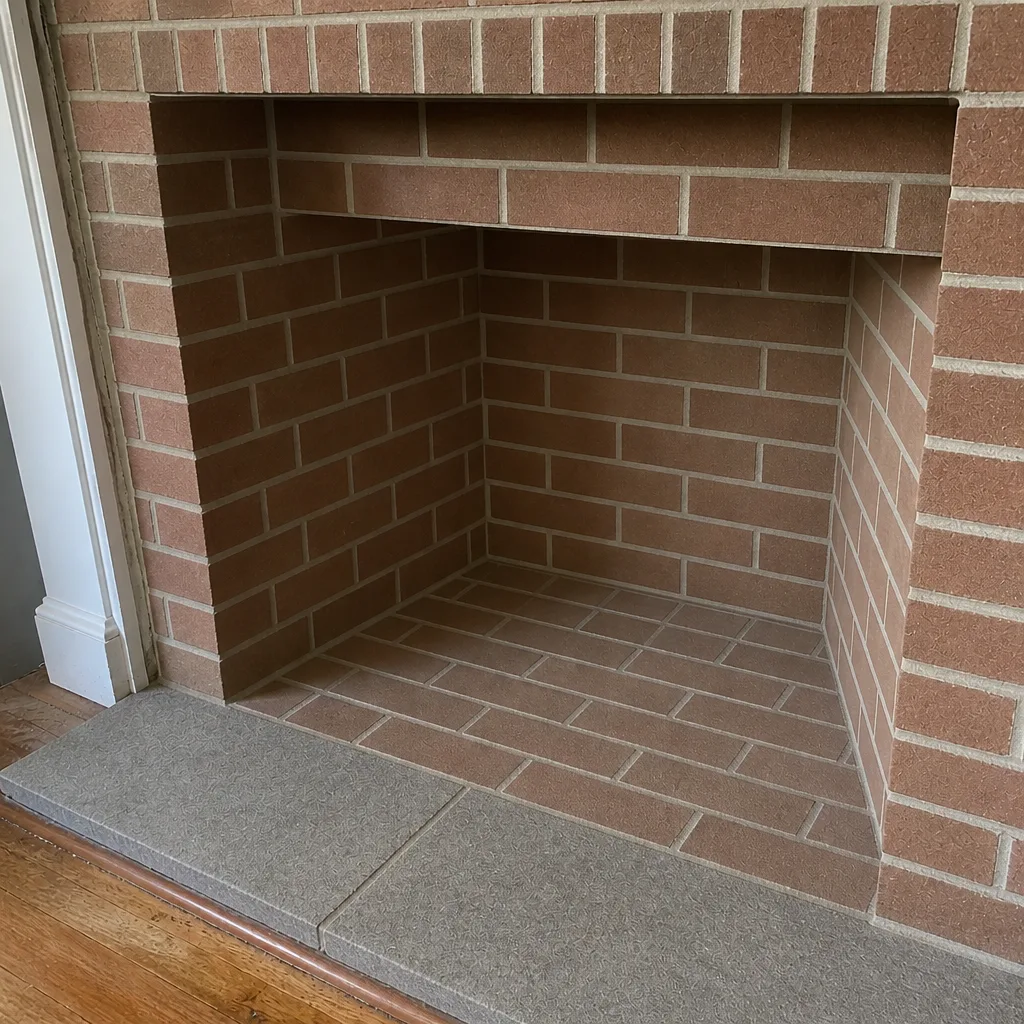
See the difference
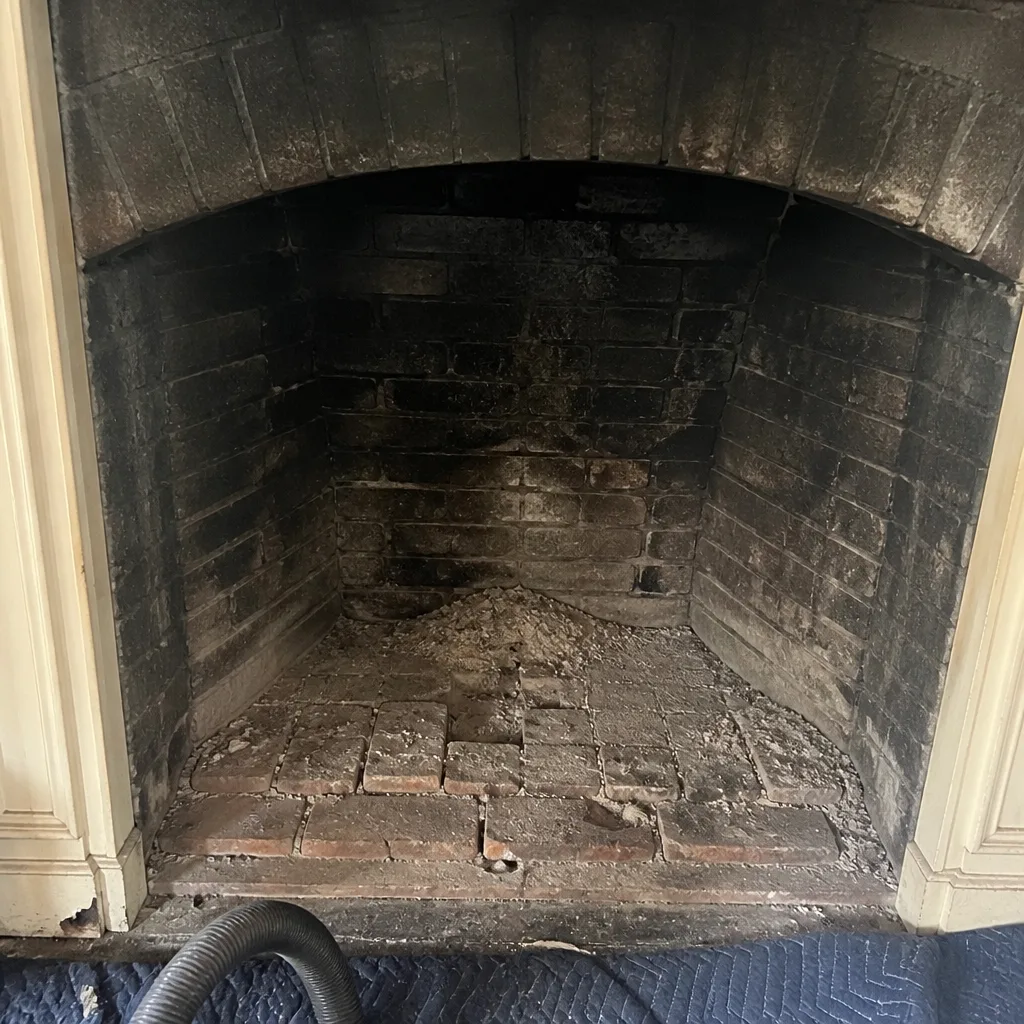 Before
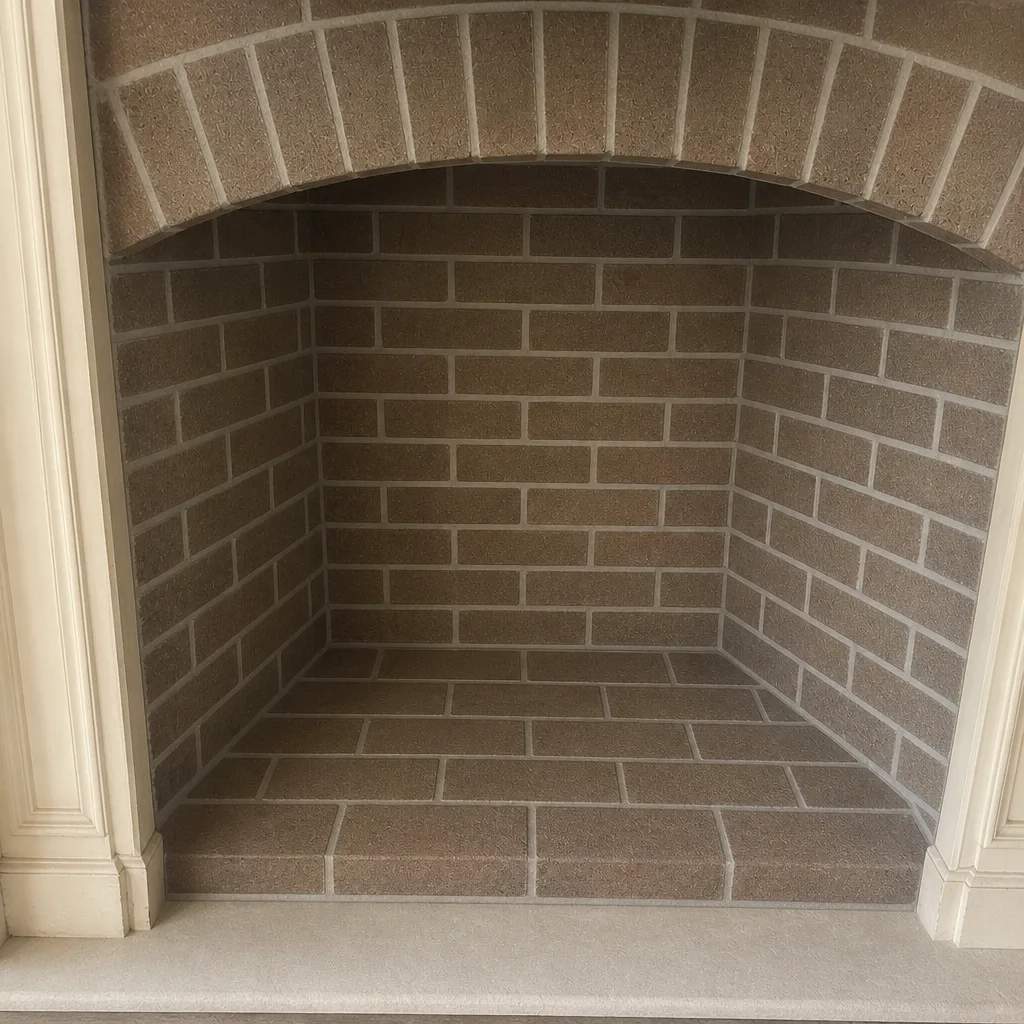 After
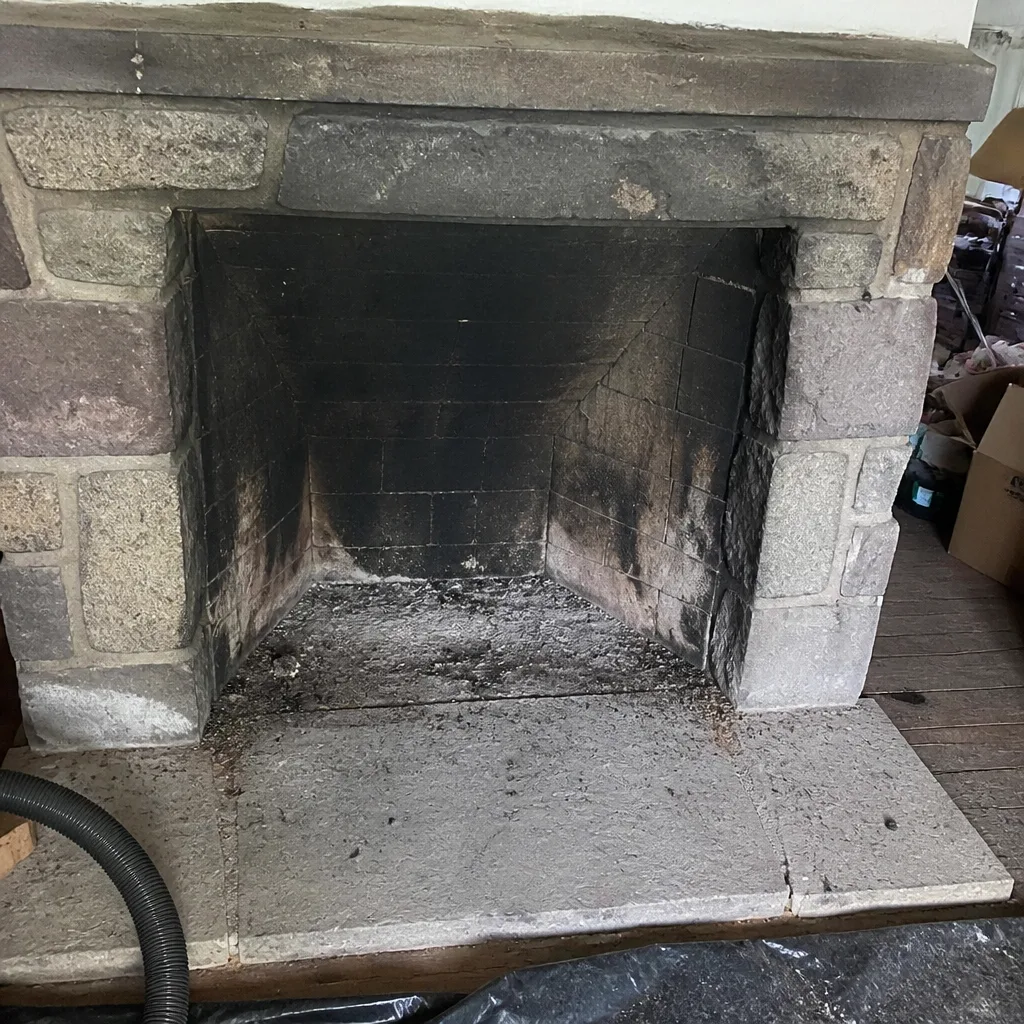 Before
 After
 Before
 After
When to Call a Professional
Call a professional when you smell a strong, sharp odor from the fireplace even when it’s not burning; when smoke rolls into the room instead of going up; when you see cracked or spalled brick above the roofline; when the fire draws poorly or feels harder to light than last year; or when you’re buying a house in Highbridge and want an objective inspection before closing. Other signs that warrant a call: a visible white or shiny glaze in the firebox, an unexplained increase in wood consumption, or a chimney cap that’s loose or missing. Don’t wait for a problem to become a hazard. Chimney Sweep Highbridge offers free estimates in Highbridge. Call (833) 513-8797. We answer 24/7. Fast dispatch from 7am to 7pm, Sunday through Friday.
Frequently Asked Questions
A professional contractor uses two categories: creosote modifiers like Rutland or CSL to soften glazed deposits before a sweep, and professional-grade restoration lines like HeatShield for liner resurfacing, DuraFlex for full relines, and Gelco, Olympia Chimney, or Famco for caps and crowns. The right product depends on what the inspection finds, not on which brand is easiest to buy.
No. A creosote modifier log changes the chemistry of creosote to make a professional sweep easier; it doesn’t remove the deposit. If a contractor sells you a modifier and never follows up with a brush, the job is incomplete. Call (833) 513-8797 for an exact quote on a proper sweep. Estimates are free.
They can name the exact product they plan to use, show you the packaging or spec sheet, and produce the manufacturer’s documentation on request. A contractor who is vague about what they’re putting in your flue, or who offers a “sealer” with no brand name, is likely buying from a consumer channel. Ask specifically: what brand, what formulation, why that one for this chimney.
Yes, whenever the crown shows cracks or absorbent masonry. The crown is the first defense against water entering the masonry, and in Highbridge’s freeze-thaw winters a cracked crown is one of the most common causes of structural damage to a chimney. A proper cleaning visit includes a look at the crown, and waterproofing is recommended only when the condition report shows a reason for it.
HeatShield is a professional resurfacing system that restores an existing flue liner without full reliner replacement, where the liner damage allows it. DuraFlex is a flexible relining line used when the original flue can’t be saved and a new liner has to go in. The choice depends on what the camera inspection finds, which is why we show the findings before recommending one or the other.
Sweep frequency depends on how much you burn, not on a fixed calendar. If you burn wood regularly through the cold months, an annual sweep before the heating season is the standard most professionals recommend. If you burn occasionally, a sweep every couple of years with an inspection in between is reasonable. Call (833) 513-8797 for an exact quote on a sweep. Estimates are free.
The Bottom Line
Choosing a chimney cleaning brand comes down to knowing what each product is for and asking a contractor to prove which one they’re using on your chimney. Creosote modifiers prepare the flue; mechanical sweeping removes the deposit; professional resurfacing with HeatShield or relining with DuraFlex restores the liner only when the condition report shows it’s needed; and purpose-built caps and crowns from lines like Gelco or Famco protect the work above the roofline. A Highbridge contractor who can name their products, explain the reasoning, and show you the camera evidence is the one worth hiring. One specialist for the whole chimney system, with product names on the invoice, is the standard to hold.
If you’d like to book a sweep or a standalone inspection, call (833) 513-8797 for a free estimate. Our technicians have up to 8 years of experience, and we’re glad to walk you through what we find. Start with Chimney Sweep Highbridge for the whole system or book a standalone chimney sweep when you’re ready. We answer 24/7. Fast dispatch from 7am to 7pm, Sunday through Friday.
Written by the team at Chimney Sweep Highbridge.