
Last updated November 25, 2026
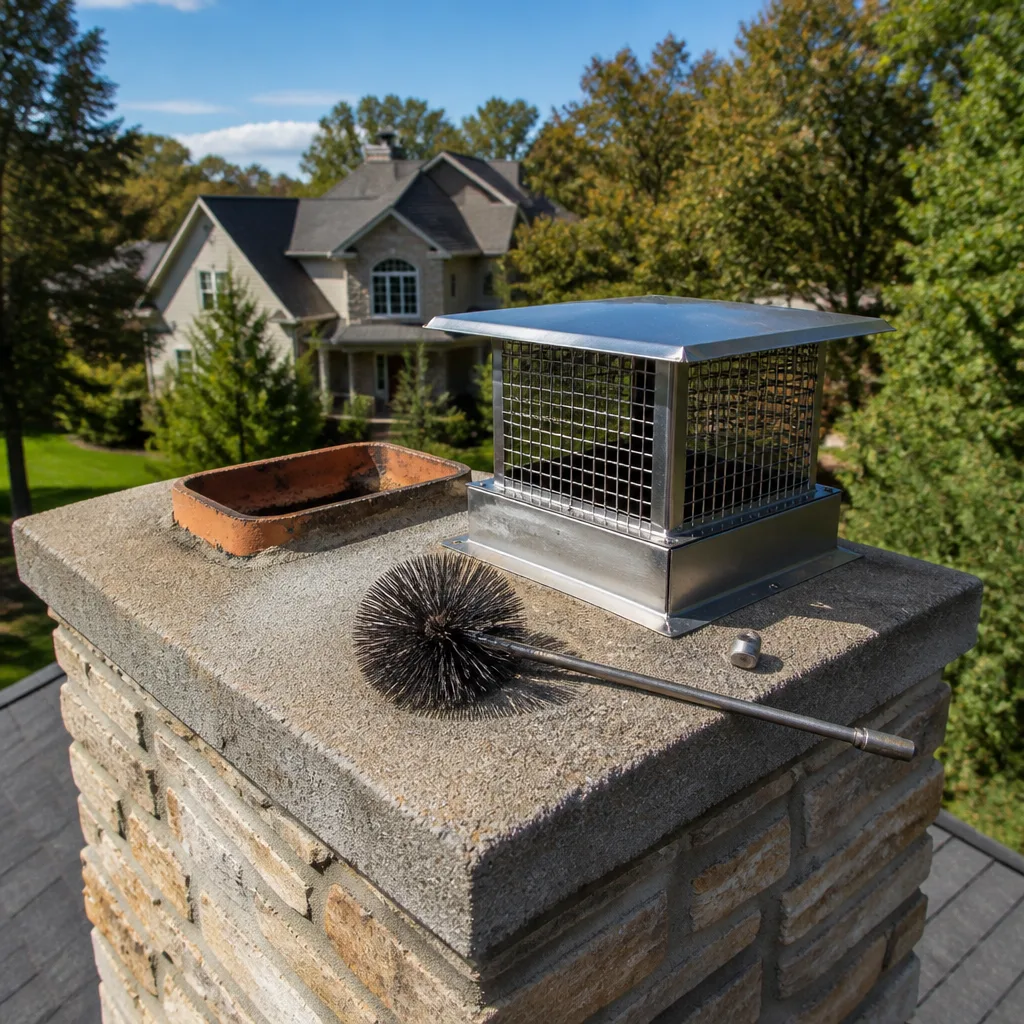 Sweep & inspection
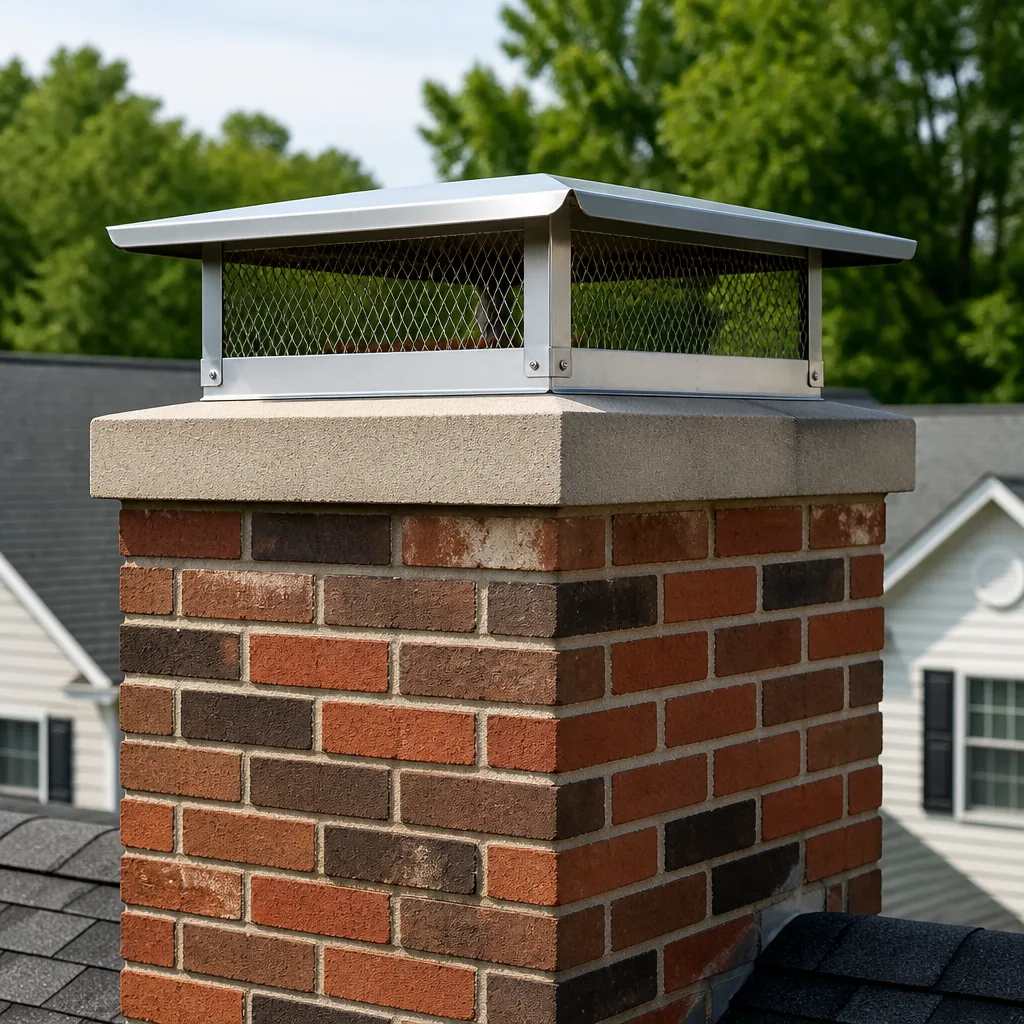 Caps & crowns
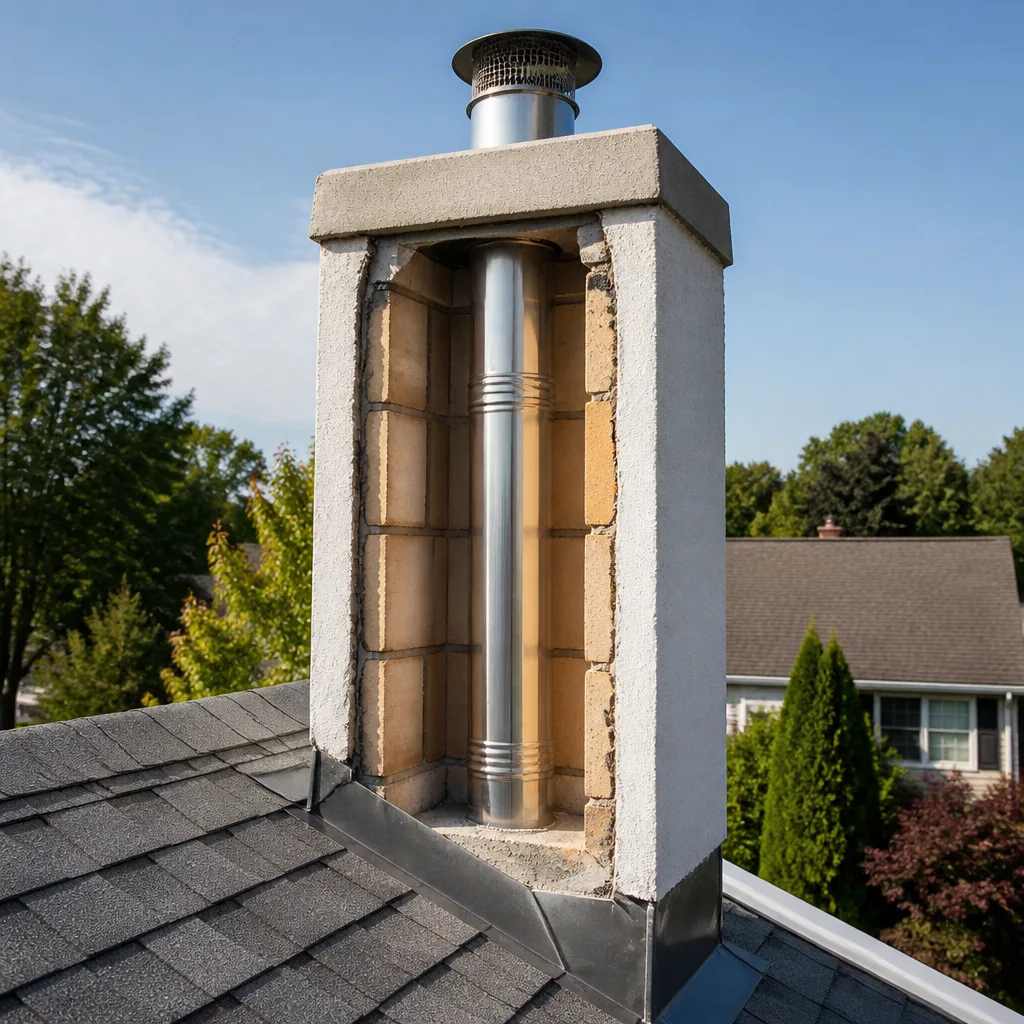 Flue relining
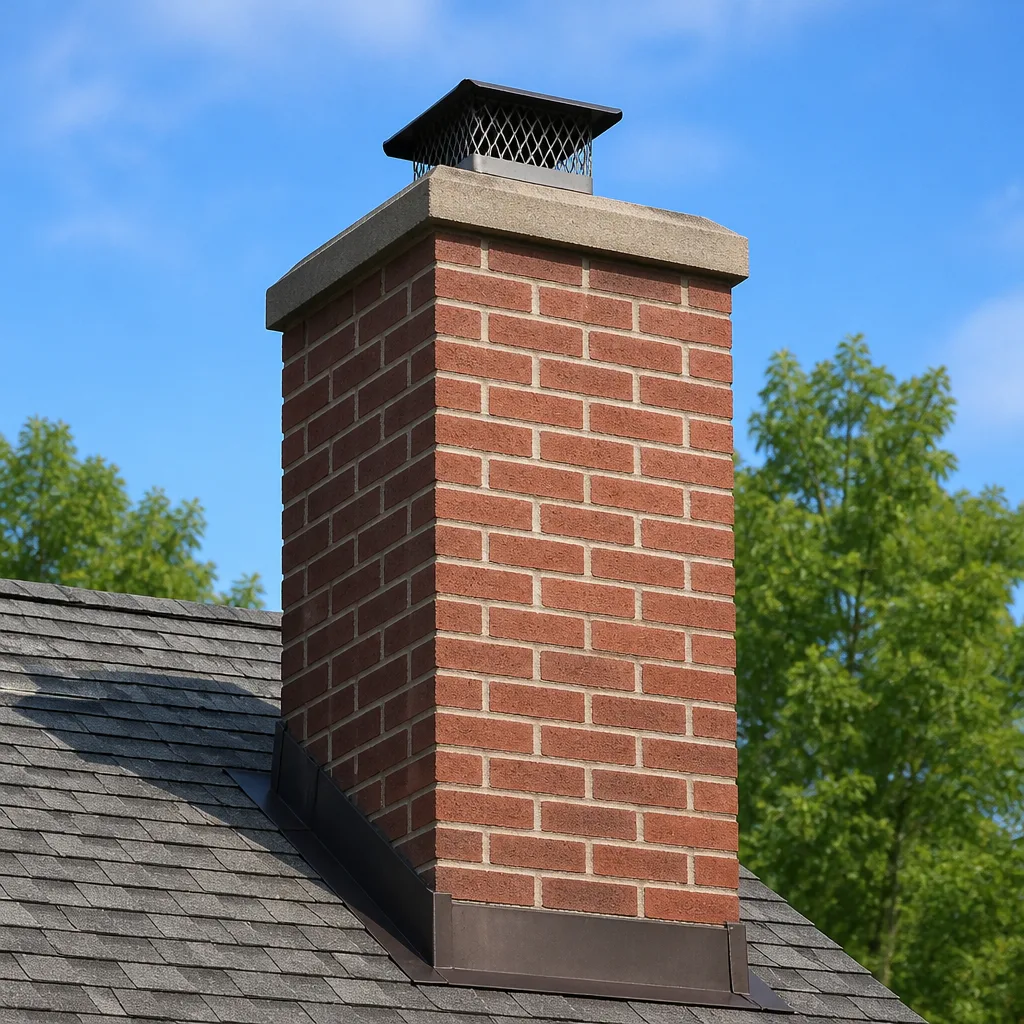 Masonry repair
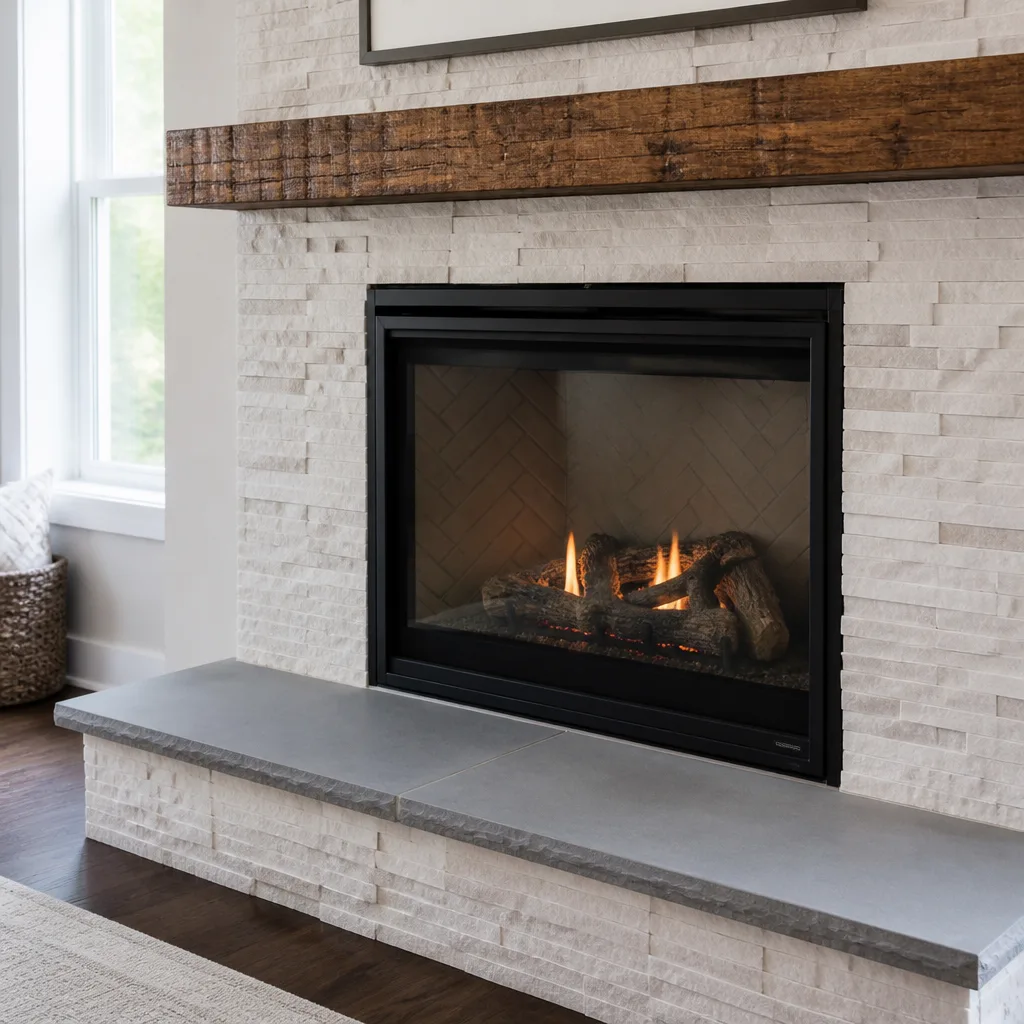 Gas fireplace service
Level 1 sweep and inspection to the NFPA 211 annual standard - flue, crown, cap, and flashing checked and photographed
Chimney sweep logs do not sweep chimneys. They loosen some creosote - which then falls where a brush and vacuum still have to collect it.
How to Hire a Chimney Cleaning Contractor in Highbridge: A Step-by-Step Guide
Most homeowners in Highbridge hire a chimney sweep the way they hire a gutters guy: they call the first number that answers and hope for the best. That works fine for a blocked downspout. It’s a bad way to hire someone who will be working inside the flue that carries smoke and carbon monoxide out of your house. Here’s the part that surprises people: the credential worth checking first, CSIA certification, tells you a technician was trained and tested on chimney systems, but it says nothing about whether the company carries the specific liability coverage that applies when a liner repair goes wrong inside your wall cavity. Those are two separate things, and you need to verify both. This guide walks through the exact questions to ask, the paperwork to request, and the signs of a low-effort operator before any money changes hands in Highbridge.
Quick Answer
To hire a chimney cleaning contractor in Highbridge, require written proof of CSIA certification for the technician who will do the work, current general liability and workers’ compensation certificates, and a written scope of work that names the inspection level and cleanup terms before anything starts. Compare quotes line by line, not by the bottom number, because a quote that skips the inspection isn’t cheaper – it’s incomplete.
Styles & brands we work with
- Sweep & inspection
- Caps & crowns
- Flue relining
- Masonry repair
- Gas fireplace service
Table of Contents
- Which Credentials Actually Matter
- The Insurance Certificates to Request
- How to Compare Two Chimney Quotes Fairly
- Equipment Questions That Reveal Experience
- What a Legitimate Contract Includes
- Why Highbridge Chimneys Need Specific Attention
- Common Mistakes to Avoid
- When to Call a Professional
Which Credentials Actually Matter in Highbridge?
CSIA certification is the credential to require in writing, but it isn’t the only one in the trade, and knowing the difference between them keeps you from accepting a vague “we’re certified” answer. Here’s how the three common labels break down:
- CSIA-certified (Chimney Safety Institute of America): The technician has passed a written exam on chimney and venting systems and holds current certification. This is the baseline you should ask for. Ask for the certificate, or the technician’s name and certification status, in writing before the visit.
- NFI-certified (National Fireplace Institute): A separate certification focused on hearth appliances – wood stoves, gas fireplaces, inserts. Worth having if you’re hiring someone to work on the appliance itself rather than just the flue. It doesn’t replace CSIA for sweeping and inspection work.
- “Trained by the owner” or “years of experience”: Not a certification. It might describe a genuinely skilled technician, but there’s no exam, no continuing education requirement, and nothing to verify. Treat it as unverified.
In our experience, the companies that hold CSIA certification are usually the ones willing to put it in writing without being pushed. If a company hesitates when you ask for the certification in writing, that hesitation is your answer. The other thing to confirm: ask whether the certified technician will be the one physically doing the work in Highbridge, or whether a certified owner sends uncertified helpers. Both happen. You want the answer in writing.
The Insurance Certificates to Request Before Work Begins
Ask for two separate certificates of insurance: general liability and workers’ compensation. They cover different things, and a company that only carries one is not fully covered for the work it’s doing in your house.
- General liability covers damage to your property – a cracked flue tile, a damaged damper, a masonry repair that fails and needs redoing. Request the certificate and check that the policy’s expiration date is in the future, not the date the certificate was issued.
- Workers’ compensation covers the technician if they’re injured on your property. If a sweep without workers’ comp is hurt on your roof, the claim can land on your homeowner’s policy. Ask for this certificate specifically, not just “we’re insured.”
- Verify the dates, not just the paperwork. Certificates get emailed and then sit in inboxes for years. Call the insurance agent listed on the certificate and confirm the policy is current. A legitimate insurer will confirm active status without involving the contractor.
- Ask whether the coverage extends to subcontractors. Some companies send a certified technician to inspect and a separate crew to do the work. Ask who is on your property and whether they’re covered under the same policy.
Highbridge’s stock of older homes makes this more than a formality. Older masonry chimneys frequently have flue tiles that have already cracked from years of heating cycles, and a sweep or liner job that goes wrong on a fragile flue is exactly the scenario general liability exists to cover. If the contractor can’t produce a current certificate, move on to the next call.
How to Compare Two Chimney Quotes Fairly
Two quotes for “a chimney cleaning” in Highbridge aren’t the same product, and comparing them by bottom-line number is how homeowners end up surprised halfway through the job. Compare line by line instead.
The single biggest difference between quotes is usually the inspection. A full-service quote includes a Level 1 inspection – a visual check of the accessible parts of the chimney, the firebox, and the venting system – as part of the visit. A budget quote may leave it out entirely and offer to “take a look” for an extra charge. If one quote names the inspection level and the other doesn’t mention it, they’re not comparable, and the cheaper one is the incomplete one.
Build a comparison sheet for every quote you receive and check each line is present:
- Inspection level specified: Level 1 (visual, routine), Level 2 (camera inspection, required when you’re buying or selling a home or after a chimney fire), or Level 3 (invasive, for suspected hidden damage).
- Whether a camera is used: A Level 2 inspection should include a video scan of the flue, and you should get that footage, not just a summary.
- Sweeping method and containment: Rotary system or manual brush, and whether a HEPA vacuum is used at the firebox (more on equipment below).
- What’s included in cleanup: Drop cloths, protection of the hearth and flooring, and whether hauling away debris is included.
- Anything recommended as additional work: If the quote already includes repairs or a liner replacement before anyone has looked at your chimney, that’s a red flag, not a value-add.
Ask each contractor to walk you through their quote line by line on the phone. The company that can do that clearly without hedging is the one that knows what it’s quoting.
Equipment Questions That Reveal Experience Level
What a company brings to the job tells you more about its experience than any brochure. Ask these questions before you book, and listen for the specifics. Vague answers usually mean the equipment doesn’t exist.
Ask: “Do you use a rotary cleaning system or a manual brush, and why?” Both have a place. Rotary systems – power-driven spinning brushes on flexible rods – are more effective on heavy creosote buildup and glazed deposits in wood-burning flues. Manual brushes are gentler on older or fragile masonry. A company that uses one method on every job, regardless of what’s in your flue, either doesn’t own the right equipment or doesn’t know when to switch. In Highbridge’s older homes, both a rotary system and a manual set should be on the truck.
Ask: “How do you keep soot out of the room?” The answer should mention a HEPA vacuum running at the firebox for the duration of the sweep, plus drop cloths over the hearth and flooring. A dust mask and a shop vac is not containment. Fine soot travels through the house faster than you’d think, and cleanup afterward never fully gets it out of upholstery and carpet.
Ask: “What’s your method for inspecting the flue?” A Level 2 inspection should include a video camera on a flexible rod run through the flue, with the footage reviewed during or after the visit. If the answer is “we look up from the firebox with a flashlight,” you’re getting a Level 1 visual at best.
Ask: “What do you do if the flue won’t come clean with a brush?” Experienced sweeps answer this without hesitation because they’ve seen it before: glazed creosote that brushing won’t remove needs a chemical conditioner or a rotary system before a re-sweep. A company that doesn’t know glazed creosote exists is going to miss it.
What a Legitimate Chimney Contract Should Include
Before anyone climbs a ladder at your Highbridge house, you should be holding a written scope of work. It doesn’t need to be elaborate, but it needs to name the specifics. A verbal “we’ll sweep it and see what it needs” is not a contract, and it leaves you with no recourse if the result doesn’t match what you expected.
Every legitimate chimney cleaning contract should include:
- Scope of work: What’s being done – sweep, inspection level, any repairs – in writing, with the inspection level named explicitly.
- Site protection and cleanup terms: Drop cloths, HEPA vacuum, removal of debris, and what happens if the room isn’t left clean.
- Liability terms: What the contractor is responsible for if something is damaged during the work, and how you file a claim. This is where your general liability certificate connects to the contract.
- Pricing method: A flat price agreed before work begins, not an estimate that turns into a range once the chimney is opened up. If additional work is found during the inspection, the contract should require your approval before it proceeds.
- What the inspection found: A condition report should follow the visit – even if the answer is “everything’s in good shape, see you next season.” That report is your record of the chimney’s condition, and it matters if you sell the home.
If a company can’t put those five items in writing before starting, don’t let them start. The written estimate sets the final price, and the scope on paper is what protects both of you.
Why Highbridge Chimneys Need Specific Attention
Highbridge sits along the Harlem River in the Bronx, and the housing stock here reflects that: a dense mix of prewar apartment buildings, older townhouses, and single-family homes that have been through decades of heating seasons. A lot of the chimneys in Highbridge were built for coal or an older heating system and converted to wood or gas over the years. That history matters when you’re hiring a sweep, because converted chimneys often have liner problems that a visual inspection alone won’t catch.
The heating cycle in this part of New York is the other factor. Winters are cold enough that the chimney runs hot and then cools down repeatedly through the season, and that expansion-contraction cycle is what cracks flue tiles and mortar joints over time. Homes that sit empty for part of the year and then start burning wood in the fall are the ones that accumulate the most creosote buildup without anyone noticing. If your chimney hasn’t been swept in more than one heating season, the visit isn’t just routine maintenance – it’s the first real look at the flue in years.
The smoke and carbon monoxide that a fireplace and wood stove produce have exactly one path out of the house, and the flue lining is what contains it. When that lining cracks, the exhaust doesn’t politely stay in the chimney. It finds the cracks. That’s the reason chimney inspection is a standalone, objective service rather than something bundled into a cleaning to make the visit worth the trip.
What a Real Inspection Report Looks Like (and Why You Want One You Can See)
The most common hesitation we hear from homeowners is being told they need thousands of dollars of liner or masonry work they have no way to verify. That’s a fair concern. The answer is camera evidence you can look at yourself, in real time or in a report you keep.
A proper inspection report from a Highbridge chimney contractor should include:
- Video footage of the flue interior, from the top or bottom, showing the condition of the tiles and joints.
- A plain-language condition summary – what’s sound, what’s cracked, what’s cosmetic, and what needs attention now versus what can wait a season.
- Photos of any exterior findings – crown cracks, cap condition, masonry spalling – noted with their location on the chimney.
- A statement about what’s safe to do with the chimney in its current condition, separate from any recommendation for repair work.
When work can safely wait, we say so. Clay tile liners with minor surface cracking often function fine for another season or two with monitoring, and that’s worth knowing before you sign anything. If a company can’t or won’t show you the video, ask why. This is exactly why a standalone chimney inspection is offered as its own service – you should be able to get an objective condition report before buying a home or before heating season without being pushed into immediate work.
Common Mistakes to Avoid
- Accepting “we’re certified” without seeing the certificate. Ask for the certification in writing, tied to the technician who will do the work, not the company as a whole. A generic claim isn’t verification, and a certified owner who sends uncertified helpers doesn’t solve your problem.
- Skipping the workers’ compensation certificate. Homeowners routinely ask for general liability and forget workers’ comp. If a technician is hurt on your roof, that certificate is what keeps the claim off your homeowner’s policy. Ask for both, every time.
- Comparing quotes by the bottom number. A quote that includes a Level 1 inspection and a quote that doesn’t aren’t the same job, even if they’re for “a sweep.” Put them side by side line by line before you decide anything.
- Letting someone start work without a written scope. In Highbridge’s older housing stock, a verbal agreement is a recipe for a dispute over what “sweep and check” was supposed to include. Get the scope, the inspection level, and the cleanup terms on paper first.
- Booking a sweep without asking about containment. A company that doesn’t run a HEPA vacuum at the firebox will leave fine soot throughout the room, and it doesn’t come out of fabrics. Ask how they contain dust before they arrive.
- Accepting a liner replacement recommendation without seeing the video. If a repair is recommended, the footage should show the specific problem. If the footage doesn’t exist or isn’t shared, get a second inspection before spending anything.
- Hiring the first company that answers the phone in October. The week the heat comes on is the busiest week of the year for every sweep in the Bronx, and availability pressure is exactly when homeowners skip the verification steps. Book before heating season, or accept that you may wait.
When to Call a Professional
Some chimney work is genuinely a professional job, and the list is shorter than the trade sometimes implies but longer than a homeowner should ignore. Call a professional if your chimney hasn’t been swept in more than one heating season, if you smell smoke in the house when the fireplace is running, if you see cracked or missing mortar on the exterior, if the crown has visible cracks, or if you’re buying or selling a home in Highbridge and need a Level 2 inspection for the transaction. Also call if you’ve had a chimney fire, even a small one – the flue can look fine from the firebox and still have heat damage further up.
One more: if the fireplace was converted from coal or oil at some point and you’ve never had the liner inspected, start there before your first burn of the season. Old conversions are the most common place a cracked liner hides.
Chimney Sweep Highbridge offers free estimates in Highbridge. Call (833) 513-8797. We answer 24/7. Fast dispatch from 7am to 7pm, Sunday through Friday. We work with a set of professional-grade product lines, including DuraFlex liners, Olympia Chimney components, and Famco caps, so the recommendation you get is tied to materials built for the job, not hardware-store substitutes.
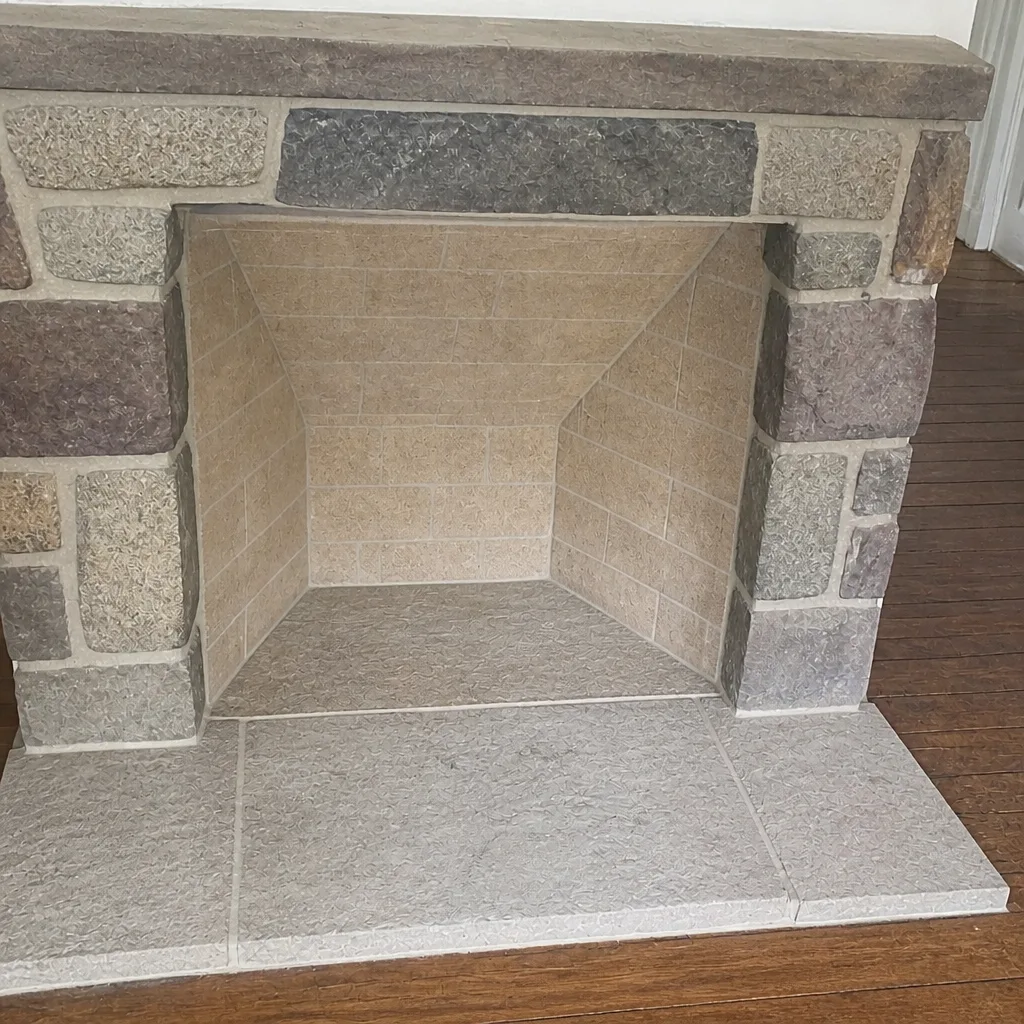
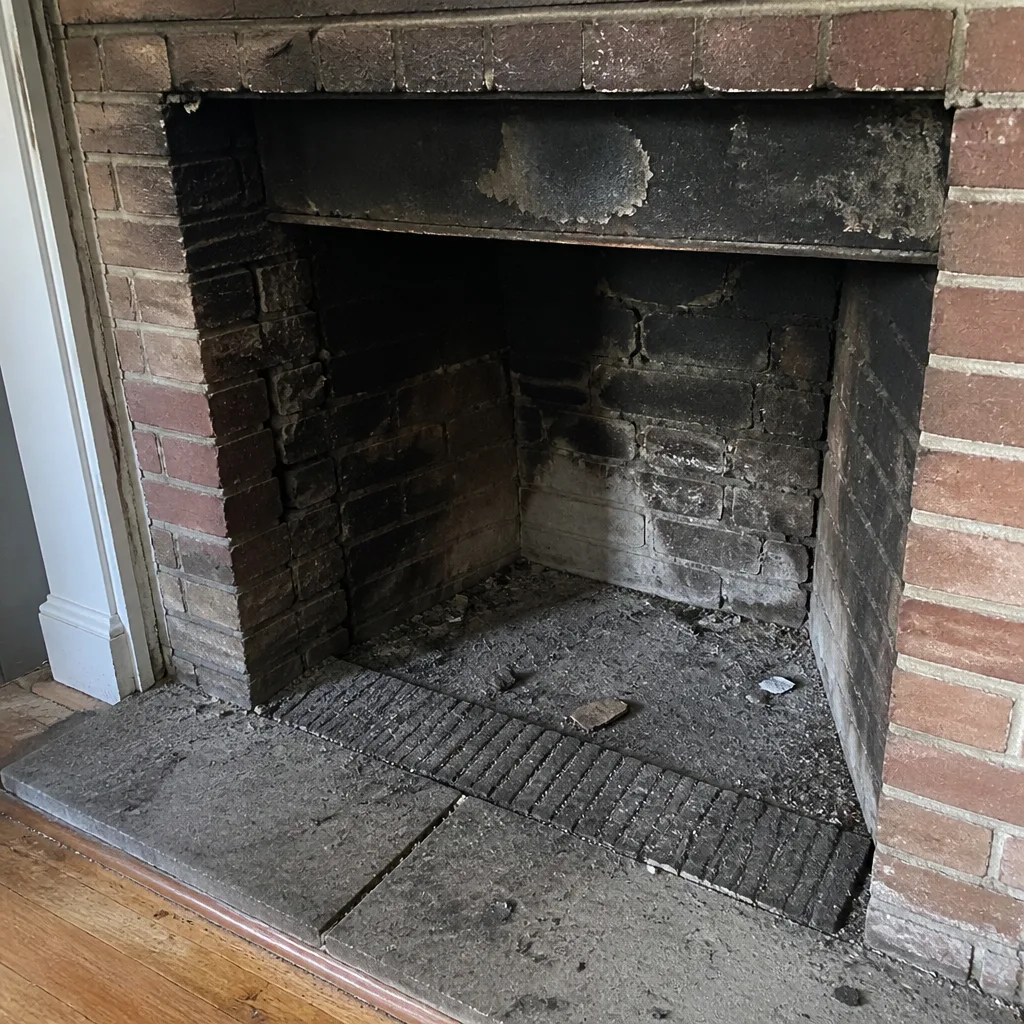
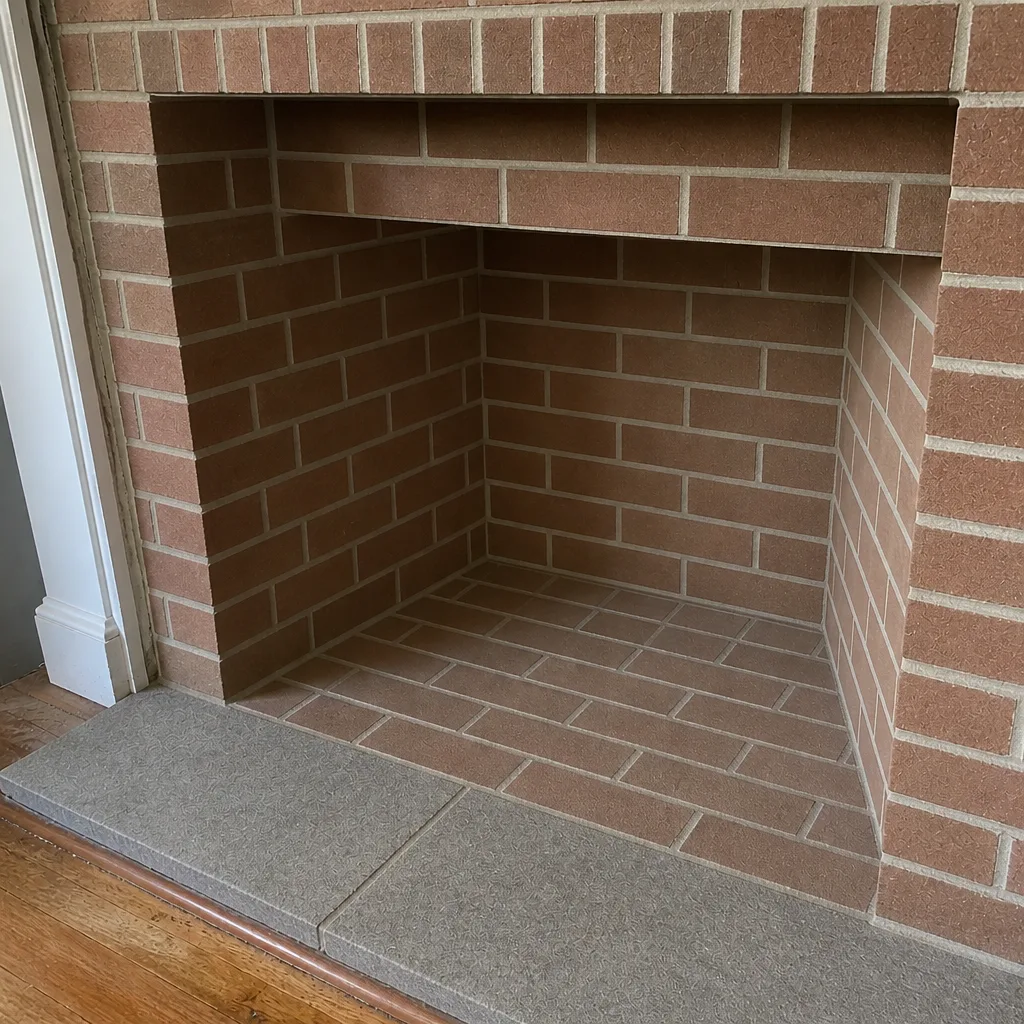
See the difference
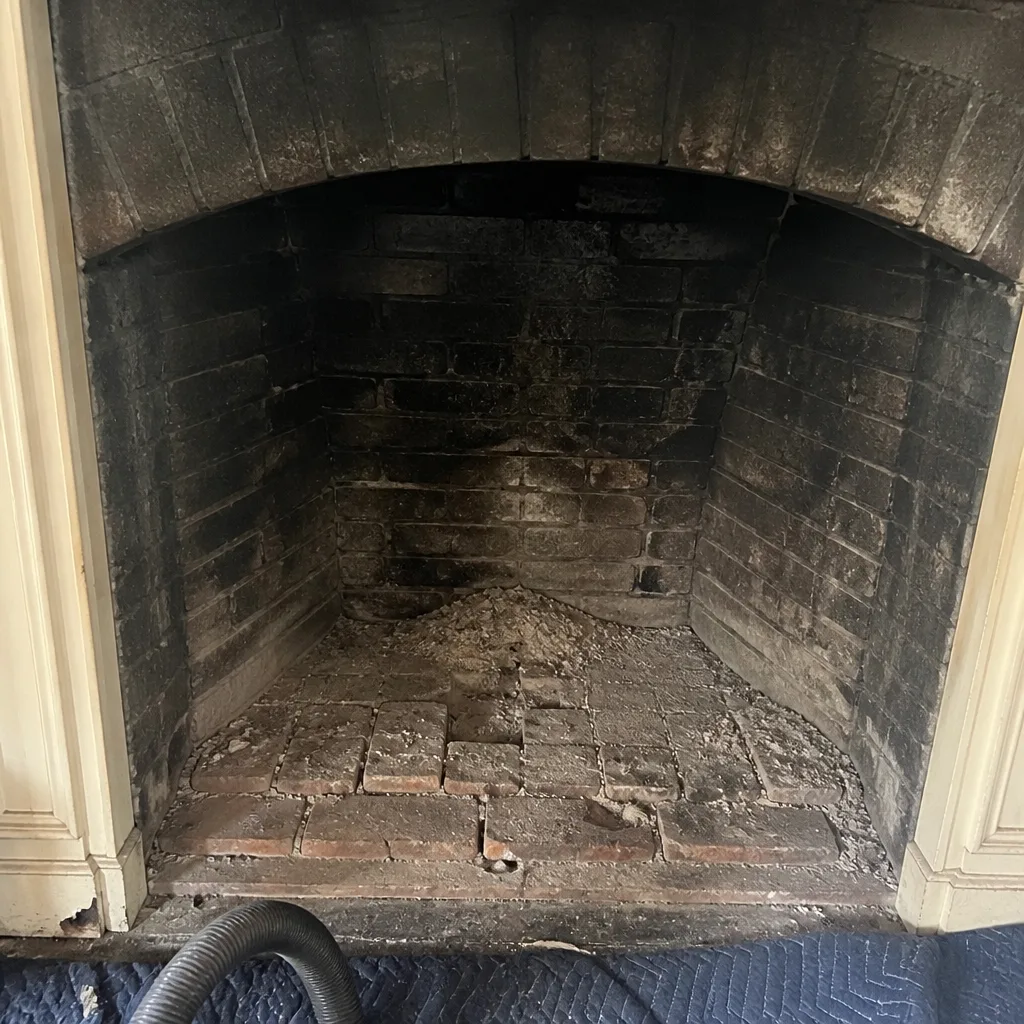 Before
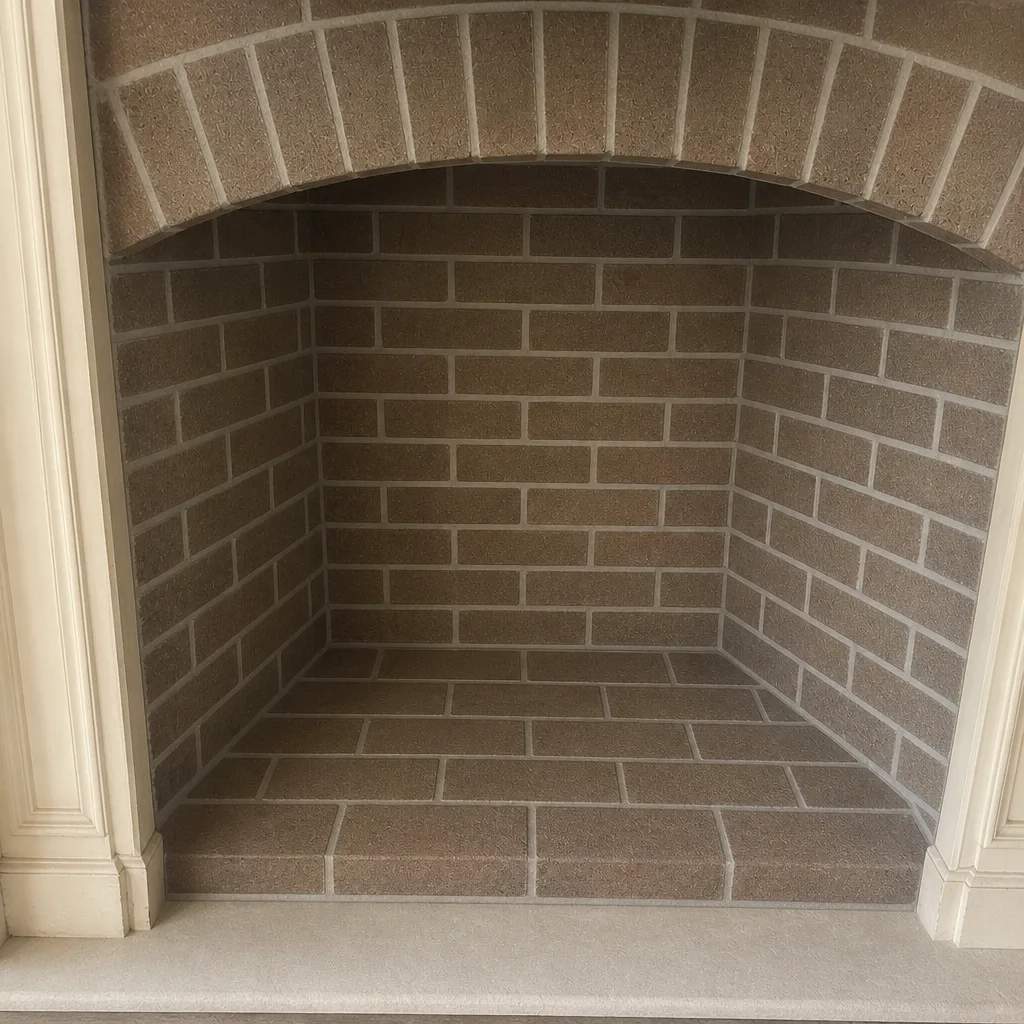 After
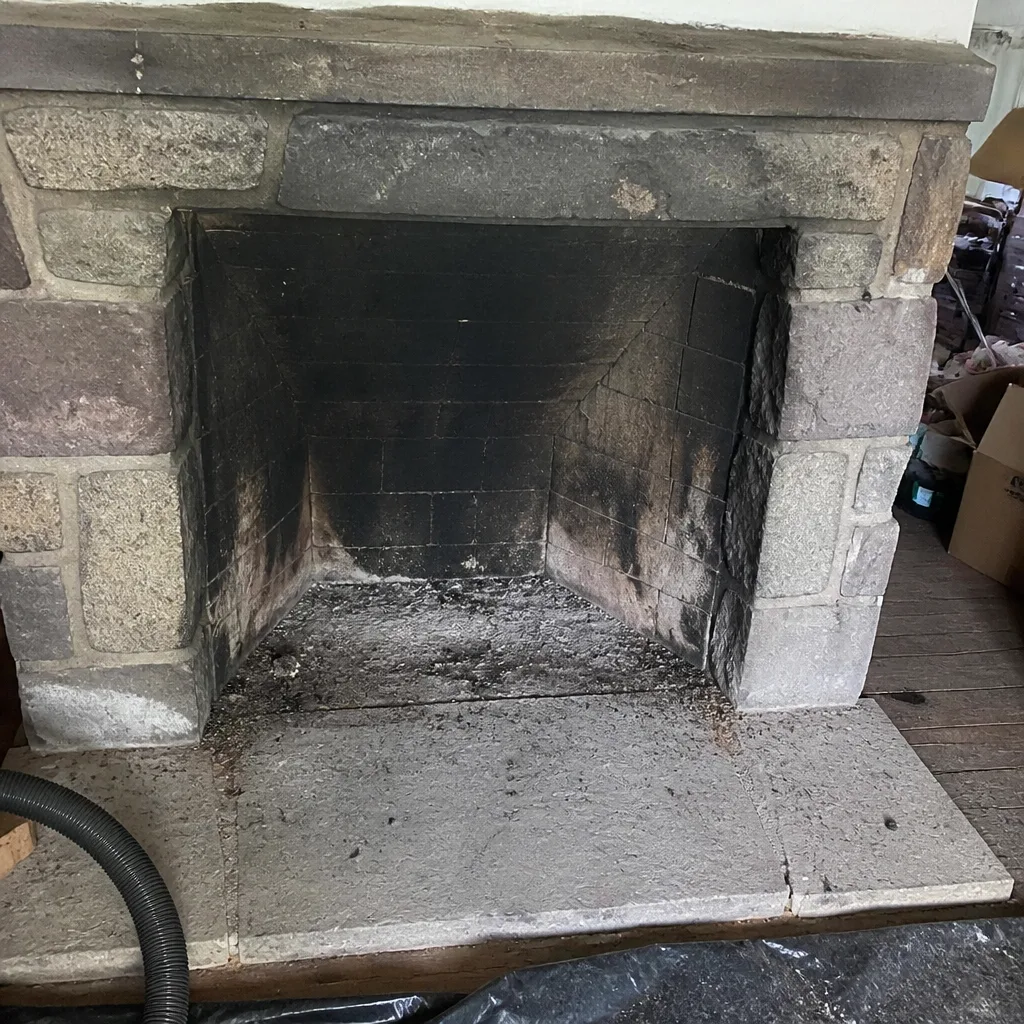 Before
 After
 Before
 After
Why a Chimney Sweep Is Not a Generalist Job
A handyman with a shop vac and a ladder can remove soot from a firebox. A dedicated chimney specialist is doing something different: reading the condition of the system, from the liner to the cap to the crown, and telling you what’s there rather than what’s easiest to sell. That’s the distinction worth paying for when you hire in Highbridge.
The full system matters. A chimney sweep addresses creosote and soot in the flue. A chimney cap & crown keeps water out of the masonry and off the flue tiles, which is the leading cause of the interior damage a sweep would otherwise keep finding. Chimney repair handles the masonry and structural side when the crown, mortar, or flue tiles have already failed. When one company handles the sweep, the cap and crown, the repair, the fireplace work, and the inspection, you don’t have to coordinate three contractors and hope the findings line up. One specialist for the whole chimney system is what you’re looking for when you hire – and it’s what Chimney Sweep Highbridge is set up to be.
That’s also why we name the materials we use and why we chose them. Flue resurfacing with HeatShield, for example, is a professional system designed to restore an existing flue liner without full reliner replacement where the liner is still structurally sound. It’s a cost-relevant option that comes up more often than homeowners expect – and it’s the kind of thing a generalist won’t know exists. Caps and covers come from Gelco and Famco, purpose-built chimney products rather than generic hardware-store pieces. The right product for the specific problem, not the easiest upsell, is the standard to hold any contractor to.
Frequently Asked Questions
Chimney cleaning in Highbridge is priced per job based on the condition of the flue, the level of inspection included, and any additional work found during the visit. The written estimate you receive before work begins is the final price, so ask for that scope in writing and compare it line by line against other quotes. Call (833) 513-8797 for an exact quote – estimates are free.
Not always. A liner replacement is only necessary when the existing flue tiles are cracked, spalling, or otherwise compromised to the point where the liner can no longer contain exhaust. In many cases where the liner is still sound but has surface damage, a resurfacing system like HeatShield can restore it at a fraction of the cost of a full reliner – which is why you should ask specifically whether resurfacing is an option before you accept a replacement quote. Call (833) 513-8797 for an exact quote – estimates are free.
Once a year for most wood-burning fireplaces and stoves, and more often if you burn frequently or the wood is not well seasoned. Homes that burn wood heavily through the winter or sit empty for part of the year can accumulate creosote faster than the annual schedule suggests, so plan a sweep before heating season begins. Call (833) 513-8797 for an exact quote – estimates are free.
Creosote builds up on the flue walls, and glazed creosote is highly combustible – a chimney fire is a real risk if the deposit gets thick enough and the flue gets hot enough. Carbon monoxide is the other concern: a cracked liner or blocked flue can let exhaust back into the house instead of up and out. The annual sweep is how you catch both before they become a problem. Call (833) 513-8797 for an exact quote – estimates are free.
A Level 1 inspection is a visual check of the accessible parts of the chimney and firebox, appropriate for routine maintenance. A Level 2 inspection adds a video camera scan of the flue interior and is what you want when buying or selling a home, after a chimney fire, or whenever you suspect hidden damage. Ask which level a quote includes before you compare prices. Call (833) 513-8797 for an exact quote – estimates are free.
Yes. A standalone chimney inspection is offered as its own service specifically so homeowners can get an objective condition report before buying a home or before heating season, without being pushed into work they didn’t ask for. You leave with footage and a plain-language report, and you decide what to do next. Call (833) 513-8797 for an exact quote – estimates are free.
The Bottom Line
The right way to hire a chimney sweep in Highbridge comes down to verification: CSIA certification in writing, current general liability and workers’ compensation certificates confirmed with the insurer, and a written scope of work that names the inspection level and the cleanup terms before anyone starts. Compare quotes line by line, ask about equipment until the answers get specific, and insist on seeing video footage before accepting any recommendation for liner or masonry work. Our technicians have up to 8 years of experience, and we’d rather tell you your chimney is fine than sell you work it doesn’t need. Call (833) 513-8797. We answer 24/7. Fast dispatch from 7am to 7pm, Sunday through Friday.
Written by the team at Chimney Sweep Highbridge.