
Last updated November 25, 2026
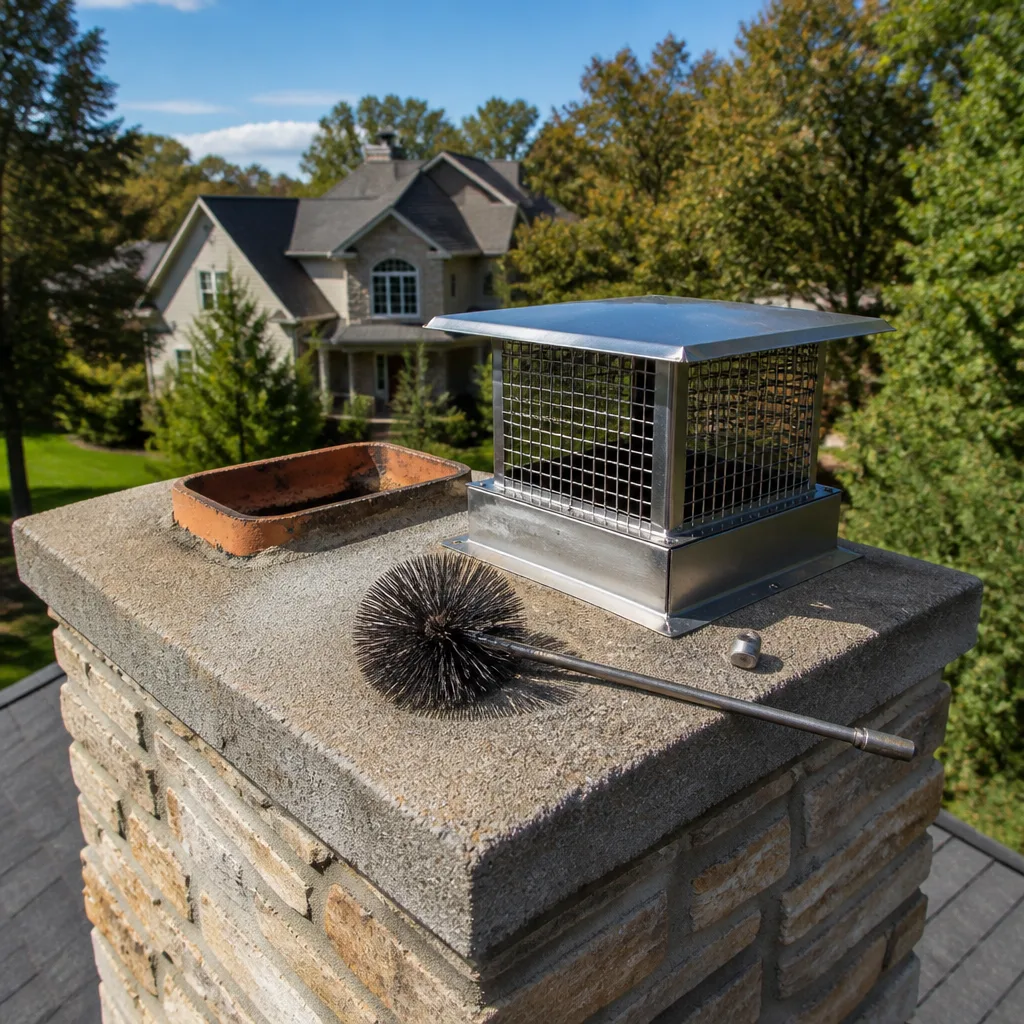 Sweep & inspection
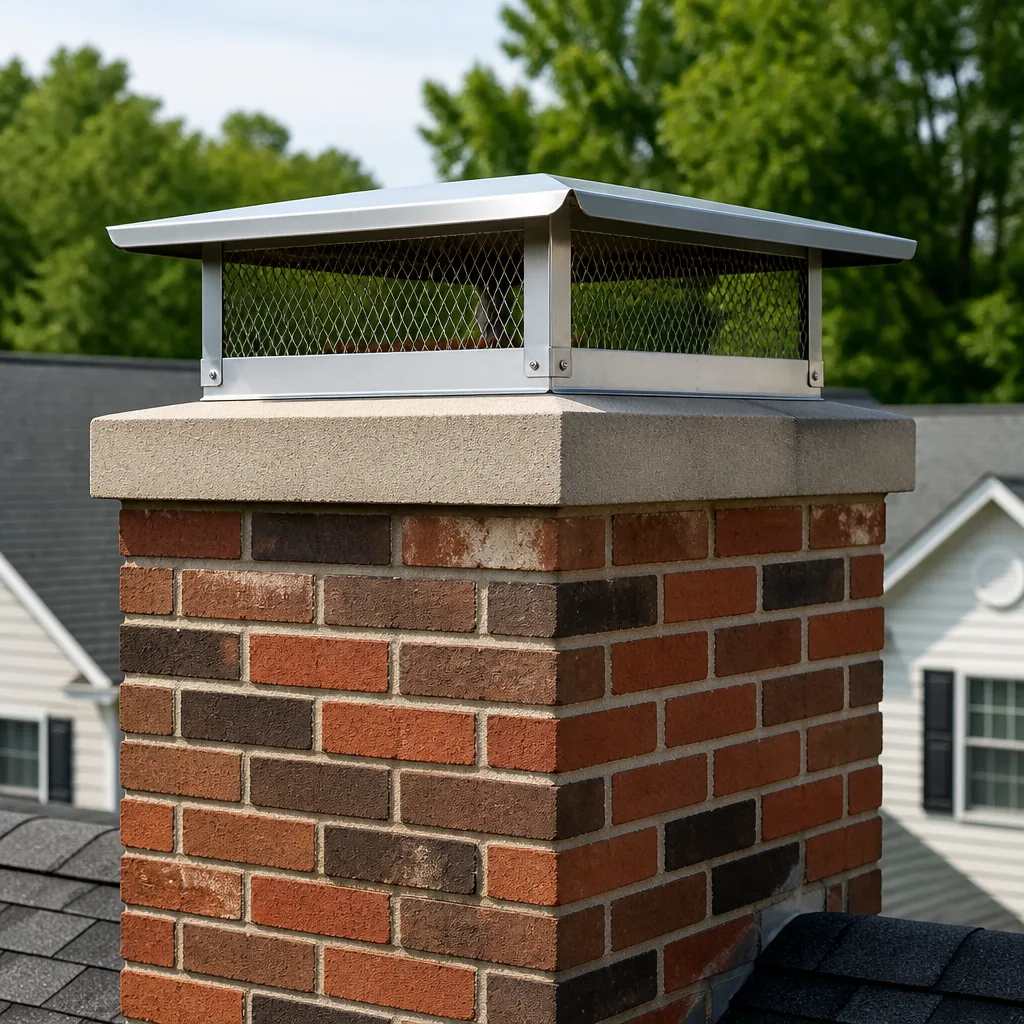 Caps & crowns
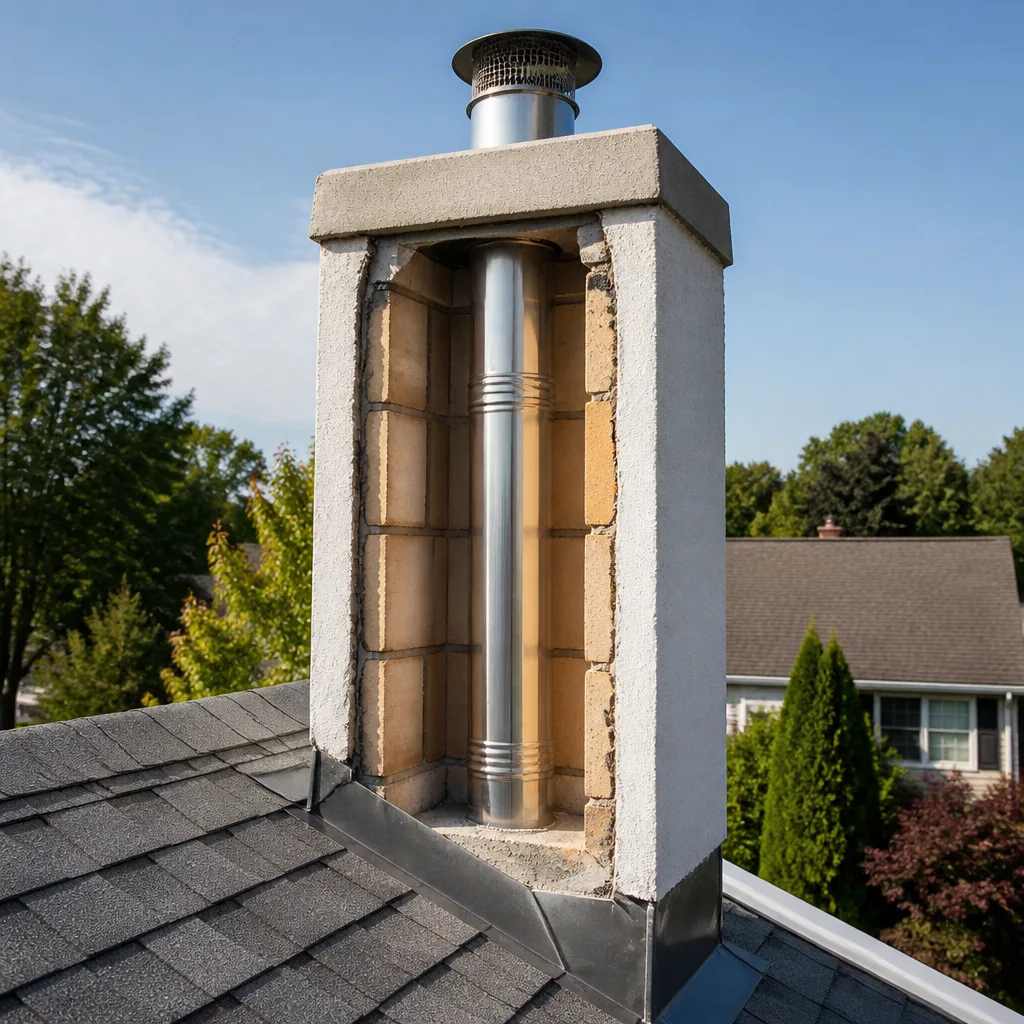 Flue relining
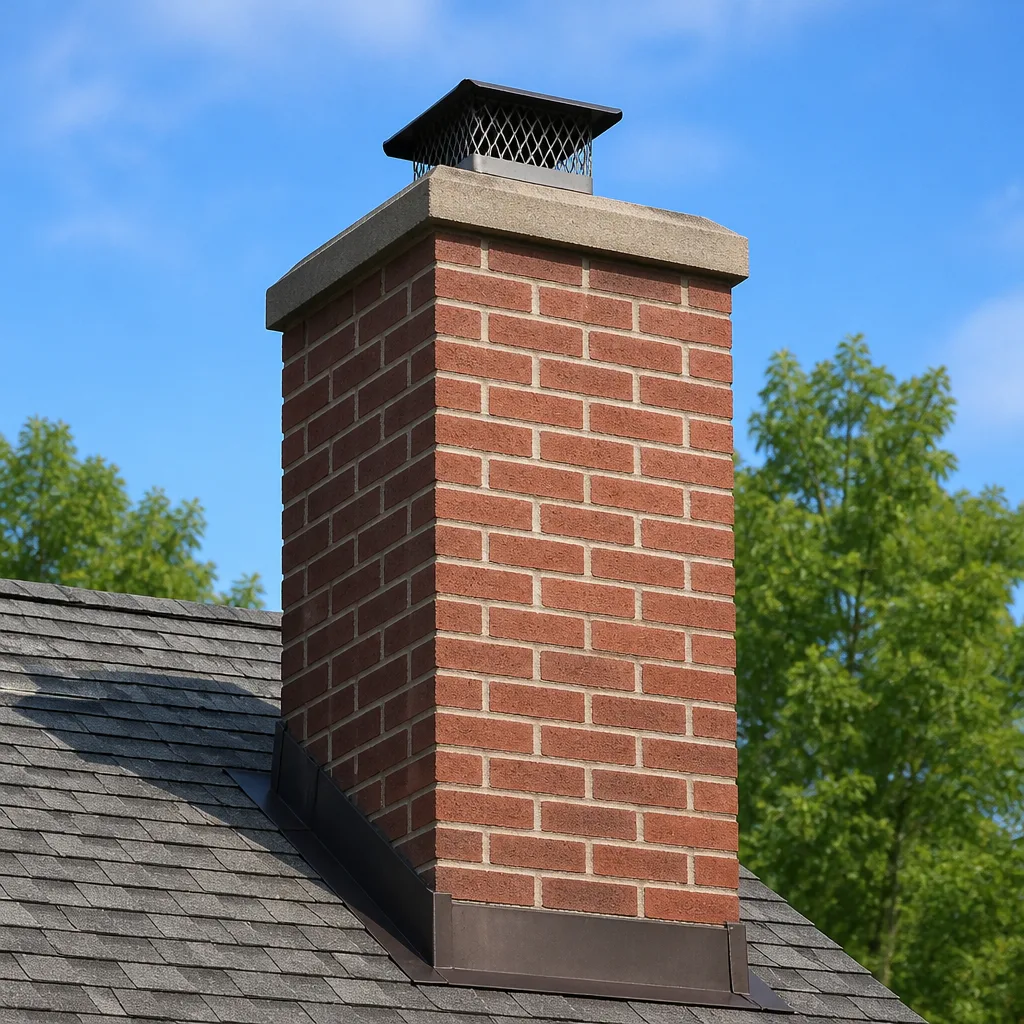 Masonry repair
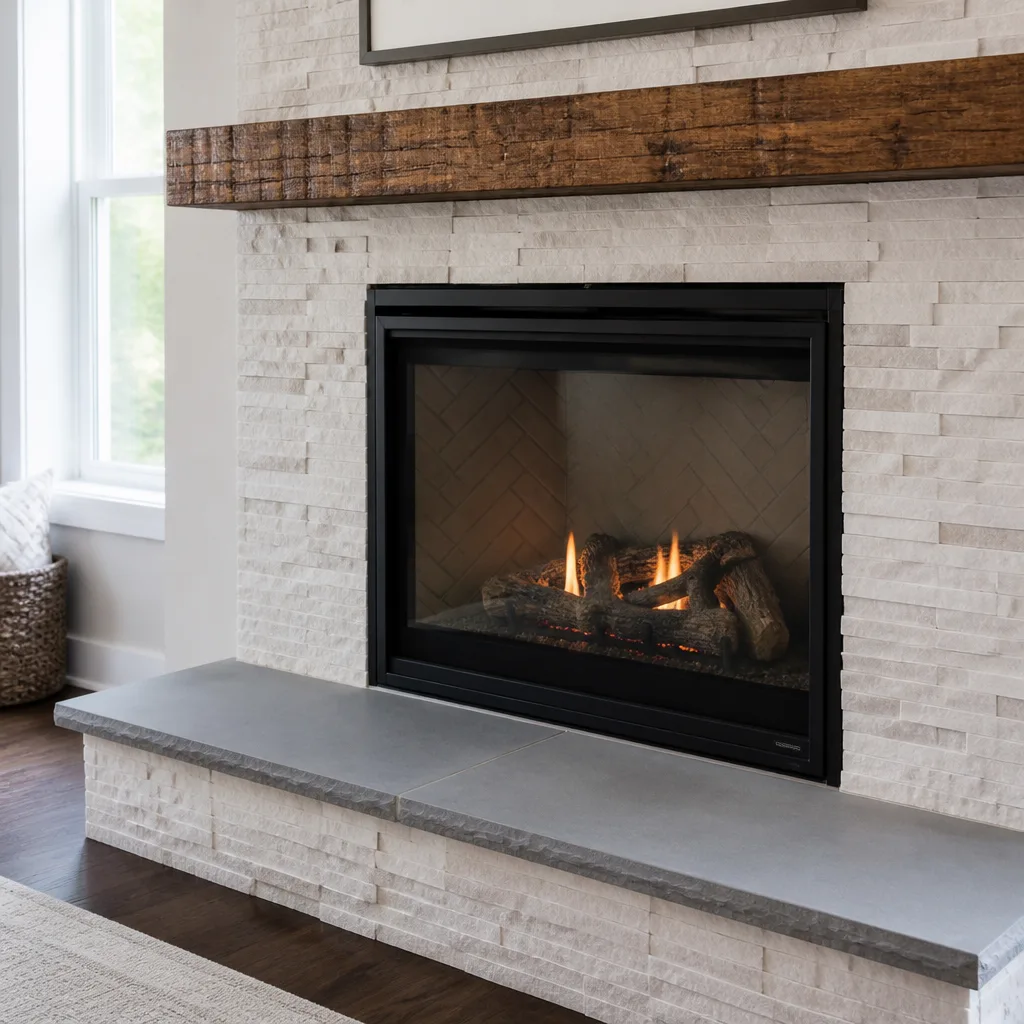 Gas fireplace service
Level 1 sweep and inspection to the NFPA 211 annual standard - flue, crown, cap, and flashing checked and photographed
Chimney sweep logs do not sweep chimneys. They loosen some creosote - which then falls where a brush and vacuum still have to collect it.
The Complete Guide to Chimney Cleaning in Highbridge
Most chimney fires don’t start in chimneys nobody bothered to sweep. They start in chimneys that were “cleaned” by someone who never measured the creosote stage, never checked the liner condition afterward, and never wrote down what they found. A sweep that leaves a tidy hearth but no record of the flue is a sweep you can’t trust. This guide walks through what a real cleaning job in Highbridge actually involves, from flue material to brushing tools to the paperwork you should hold before anyone packs up. By the end you’ll know the sequence well enough to tell a thorough job from a quick one.
Quick Answer
Chimney cleaning in Highbridge isn’t one fixed procedure. It’s a sequence: a Level 1 inspection first, then a diagnosis of your creosote stage and flue material, then brush and rod selection matched to that material, then cleaning, then a written record of the condition you’re left with. A thorough job looks different on a clay-tile flue than it does on a stainless liner or unlined brick, and your documentation should reflect which one you have.
Styles & brands we work with
- Sweep & inspection
- Caps & crowns
- Flue relining
- Masonry repair
- Gas fireplace service
Table of Contents
- How Your Flue Material Changes the Cleaning Method
- The Three Stages of Creosote and What They Mean for Your Appointment
- What a Level 1 Inspection Covers During a Routine Cleaning
- Highbridge’s Older Housing and Nonstandard Flue Sizes
- The Full Cleaning Sequence, Step by Step
- What “Cleaned” Should Look Like on Paper
- How Often You Should Book a Sweep and Why Season Matters
- Common Mistakes to Avoid
How Your Flue Material Changes the Cleaning Method
Ask a sweep what kind of brush they’re bringing and the honest ones will ask what your flue is made of first. Three common situations get handled three different ways. The tools, the rods, the vacuum setup, and even the pace of the job shift depending on what’s inside the chimney.
Clay tile liners. Most mid-century and later Highbridge homes have a flue built from stacked clay tiles with mortar joints between them. Clay is tough, so a polypropylene brush on flexible rods handles it well. But the joints are where it gets interesting – as mortar erodes over time, tile edges become sharp, and an aggressive rotary brush can chip or crack a tile. A sweep working on clay does more feeling than force. The vacuum has to run continuously at the firebox opening to control dust, and the technician checks joint integrity as they go.
Stainless steel liners. Homes serviced with a DuraFlex or Olympia Chimney liner have a smooth metal wall. Cleaning is faster because there are no joints or tile ridges to work around. But stainless is vulnerable to scratching from the wrong brush, and some lighter liners dent under a stiff rotary head. A sweep should be using a poly brush sized to the liner’s stated diameter, not a wire brush sized for masonry. If the liner was installed years ago and you don’t know the exact diameter, that’s a measurement taken before cleaning starts.
Unlined brick masonry. The hardest case. Pre-1940 Highbridge masonry chimneys sometimes have no liner at all, just the inside face of the brick. Exposed brick spalls, the mortar between courses erodes, and creosote glazes onto the rough surface in a way that a smooth flue doesn’t allow. Cleaning is careful and slower. A stiff wire brush can gouge soft brick, and a rotary tool over-does it. This is the material case where a sweep should be talking to you about HeatShield liner resurfacing afterward, because the flue itself may be the problem no brush can fix.
Matching brush to material is the first real test of whether you’re dealing with a specialist or a generalist. It’s also the point where the chimney sweep should be telling you what they found, not just what they cleaned.
The Three Stages of Creosote and What They Mean for Your Appointment
Creosote is the residue left behind when wood smoke cools against the flue wall. It doesn’t build up evenly, and it doesn’t stay in one condition. Sweeps classify it in three stages, and which stage is in your flue determines whether this is a standard appointment or something more involved.
Stage 1: Soot and flaky deposits
Thin, dusty, brushed off with a standard poly brush in the course of a normal sweep. This is what a chimney looks like after a season of regular, well-managed burning. The cleaning is straightforward, and it usually means the last sweep was timely. Most appointments end here.
Stage 2: Glazed, hardened flakes
The creosote has consolidated into a hard, dark crust that flakes off in curls. It doesn’t brush away in a single pass. A stage 2 flue takes longer, takes a different stroke pattern, and typically takes a rotary tool or a stiff brush run over the same section more than once. Stage 2 is the reason a sweep can’t quote a flat “one-hour” job over the phone. In Highbridge, where plenty of homes burn seasoned but not perfectly dry wood, stage 2 turns up more than homeowners expect.
Stage 3: Glossy, tar-like coating
Creosote that has melted and re-fused into a shiny, near-liquid coating on the flue wall. This is the most flammable stage, and brushing alone often won’t remove it. Stage 3 usually calls for chemical treatment followed by a return cleaning, and it’s a signal that the flue’s condition needs a closer look – sometimes the liner itself is damaged, sometimes the draft is poor enough to cool smoke prematurely. A sweep who finds stage 3 and doesn’t change the plan is a sweep to reconsider.
The important point: stage is measured, not estimated. A technician with a flashlight can visualize the creosote, but the honest read comes from running a hand tool up the flue and inspecting the removed material. When we book a cleaning in Highbridge, the plan we arrive with can change once the stage is known, and that’s normal.
What a Level 1 Inspection Covers During a Routine Cleaning
A Level 1 inspection is the baseline read every routine cleaning should include. It’s a visual examination of the readily accessible portions of the chimney and venting system, done with proper lighting, and it doesn’t require special tools to open walls or access concealed spaces. On a cleaning visit, it’s the first thing done and the last thing documented.
Here’s what it covers:
- The firebox and damper. Checked for cracks, loose brick, damper operation, and creosote buildup.
- The smoke chamber. The sloped space above the damper, checked for heavy buildup and damaged parging.
- The flue interior. Viewed from the firebox and from the top, with a light and mirror or camera.
- The chimney top. Crown condition, cap presence and fit, and the visible exterior of the stack.
- The exterior masonry. Cracks, spalling, and any evidence of water penetration.
- The appliance connection. For wood stoves and inserts, the connector pipe condition and clearances.
What’s important to understand is what a Level 1 doesn’t cover. It doesn’t open concealed spaces. It doesn’t run a camera the full length of a flue if the flue demands a video inspection, and it doesn’t assess the structural integrity of masonry that isn’t visible. When the Level 1 flags something, a Level 2 video inspection is the escalation, and it’s worth asking for it explicitly rather than assuming any sweep visit produces one.
That distinction matters more in Highbridge than it does in newer cities, because the housing stock here is old enough that a Level 1 visual sometimes isn’t enough. On homes with pre-1940 masonry, a sweep working in Highbridge should be reporting what a visual can see without overstating confidence about what it can’t. If you want a condition assessment before heating season or before buying a house, an inspection as a standalone service gets you that objective report without pricing a cleaning into it.
Highbridge’s Older Housing and Nonstandard Flue Sizes
Highbridge has a large share of pre-1940 masonry housing, and that fact drives a lot of what we do on site. Older chimneys were built before modern flue sizing standards had any consistency, and the result is flues that don’t match the brushes stocked for houses built later.
What that means in practice:
- Nominal sizes aren’t nominal. A flue that pairs with a modern 8-inch brush may be an actual 7.25-inch or an oval inside an older stack. A brush that’s slightly oversized scrubs the tile hard on the corners and skips the middle; one that’s undersized leaves buildup.
- Parged interiors and rough surfaces. Some pre-1940 flues were mortar-parged by hand. That parging has often aged badly, and it changes how a brush moves through the flue.
- Offsets and splay. Many early chimney stacks are offset above the roofline, meaning flexible rods have to negotiate a bend rather than travel straight.
- Oval and rectangular flues. Some older stacks for kitchen flues and wood stoves run rectangular or oval cross-sections, which need different tooling again.
These nonstandard dimensions are one of the reasons a sweep can’t give you a firm number before looking. The measurement that matters is taken on the roof and in the firebox, and it sets the brush and the time. When we quote a chimney cleaning in Highbridge, we tell customers straight: the written estimate is set after the flue is measured, and it’s fixed once set. The chimney cap & crown work that often follows a cleaning on these old stacks is also measured to fit, which is another reason we use purpose-built Gelco and Famco components rather than generic hardware-store caps.
The Full Cleaning Sequence, Step by Step
Here’s the order a professional cleaning follows, in plain language. If your sweep skips a step or runs them in a different order, it’s worth asking why.
- Pre-inspection and floor protection. Drop cloths and a runner go down before any tool comes in. The firebox and surround are covered. This is not cosmetic – it tells you the sweep has a routine.
- Level 1 inspection at the firebox. Damper, firebox, smoke chamber and flue opening are examined with a light before cleaning, to establish a baseline.
- Roof access and top inspection. The technician goes up to confirm the cap condition, look down the flue, and choose the top-down or bottom-up method that suits the flue.
- Material-specific brush and rod setup. Poly brush on clay tile, poly on stainless (sized to liner diameter), soft-brush or careful wire on unlined brick. Rods run flexible or rigid depending on the flue’s geometry.
- High-efficiency vacuum running at the firebox. A proper HEPA-class vacuum is running continuously during brushing, not switched on after. This is what controls fine dust in the room.
- Brushing in both directions. The flue is brushed top-down and again from the firebox up, with the same size brush at each pass. This catches ledge buildup and zone by zone.
- Smoke chamber and damper cleaned. The sloped area above the damper collects more creosote than the flue itself on many older Highbridge houses.
- Post-cleaning flue check. The flue is viewed again to confirm removal and to identify any new tile joint erosion or liner damage exposed by the cleaning.
- Written report and photo record. Condition, creosote stage found, material type, and any recommended next steps, delivered before the technician leaves.
That’s the process for a standard cleaning. A stage 2 or 3 flue extends steps 6 and 7 and may require a return visit after chemical treatment, especially on glazed creosote. When we handle chimney repair in Highbridge, we follow the same documentation discipline, because the same photo record that justifies the cleaning justifies the repair recommendation too.
What “Cleaned” Should Look Like on Paper
Before the technician leaves your home, you should be holding a written record of what was found and what was removed. Not a business card with “swept” on the back. A real record covers:
- Flue material type (clay tile, stainless liner, unlined masonry, or other).
- Creosote stage found (1, 2, or 3) and where in the flue it was concentrated.
- Photos of the flue before and after cleaning, taken at the top and from the firebox.
- Condition findings – tile joint erosion, cracked parging, liner damage, crown or cap condition, and any masonry observations.
- Recommendations with a rationale that ties back to specific photo findings, not to what’s on sale this month.
If a sweep tells you something needs work but can’t point to a photograph, ask for one. If they can’t produce it, that’s your signal to hold off. And if a job can safely wait until the next season, a professional should tell you that plainly. Documented evidence is how you decide for yourself, not how we decide for you.
How Often You Should Book a Sweep and Why Season Matters
The industry standard is an annual sweep for a chimney in regular use, and a Level 1 inspection every year regardless of how much you’ve burned. That’s a starting point, not a blanket rule. Homes firing the stove most cold evenings, older masonry flues, and anyone burning unseasoned wood will benefit from a check more often. Homes that see a handful of fires each winter can sometimes stretch the interval, and a professional will say so.
Timing matters in Highbridge because the demand cycle does. Book a cleaning in late summer or early autumn and you’re scheduling into a quieter period with more flexibility. Wait until the first cold week in November and everyone who’s been meaning to call is calling at once. There’s no dispatch-time urgency here – the real urgency is seasonal, getting the sweep done before burning season is underway, not scrambling to fit it into the first fire. Our phones are answered around the clock, but we’re not in the business of pretending that a chimney that has waited a year needs to be cleaned tonight. Schedule ahead when you can.
Common Mistakes to Avoid
- Accepting a cleaning without a creosote-stage finding. A sweep who doesn’t tell you what stage they found is a sweep who didn’t measure it, and you can’t know what kind of cleaning you got.
- Skipping the check on flue material before the brush goes in. On older Highbridge masonry, a wire brush over the wrong liner and a poly brush over the wrong liner produce two very different outcomes. Ask what’s being used and why.
- Assuming “no visible soot” means “clean.” A flue can look tidy at the firebox and hold glazed creosote further up. The post-cleaning flue inspection is the only way to know.
- Buying a liner replacement before seeing the evidence. Full relining is sometimes the right call. It’s not the right call until a camera or photo record shows the liner damage that justifies it. HeatShield resurfacing exists as an option precisely because the answer isn’t always “replace the whole liner,” and a specialist should be naming that option when the flue allows.
- Ignoring a crown or cap that’s cracked or missing. Water intrusion through a failed crown or an uncapped flue is the most common driver of masonry damage in older Highbridge stacks. It’s a separate job from cleaning, and it can usually wait a season or two – but not a decade.
- Burning wet or green wood and blaming the sweep. Stage 3 creosote is largely a fuel and draft story. If the sweep finds heavy buildup, ask whether your wood is the culprit.
- Booking on price alone for a nonstandard flue. A flat “cheap” quote on a pre-1940 oval flue is a quote that hasn’t measured the flue. The written estimate should match the flue in your house, not a template.
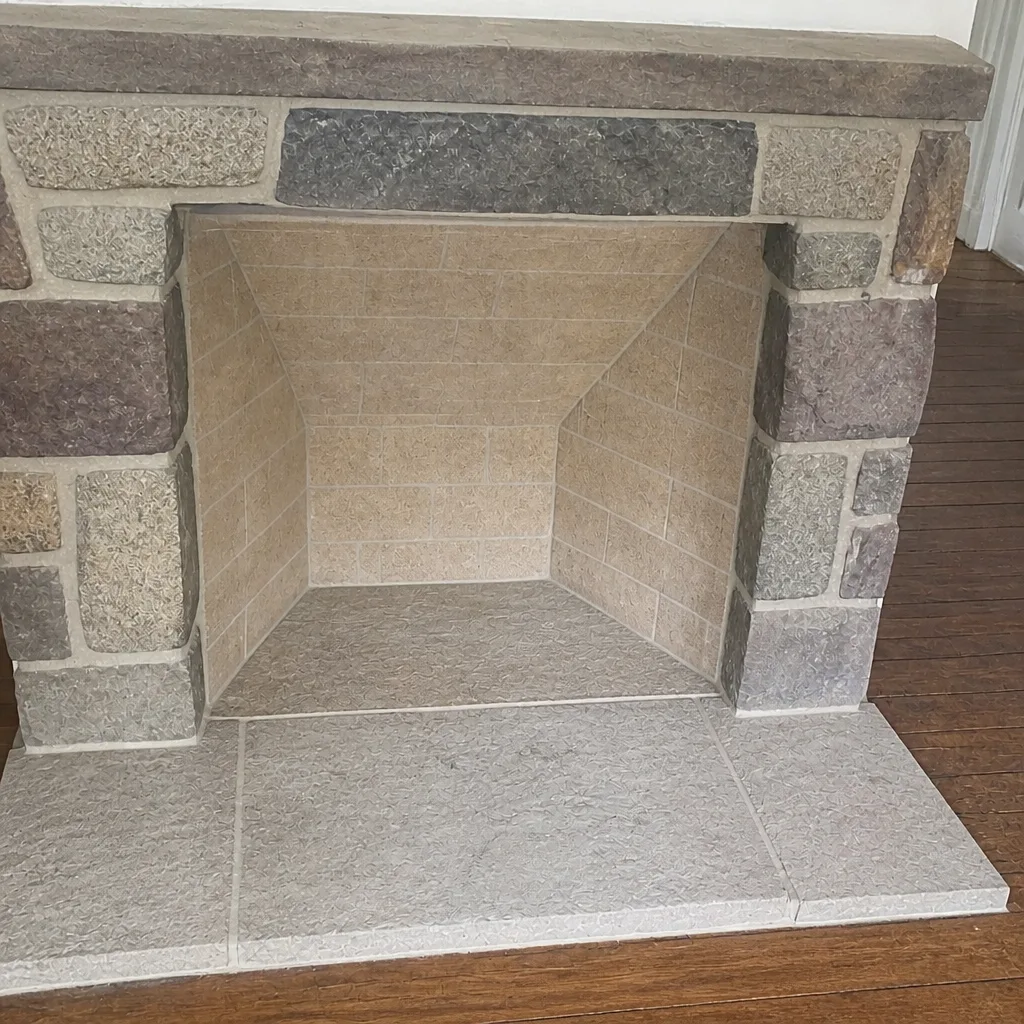
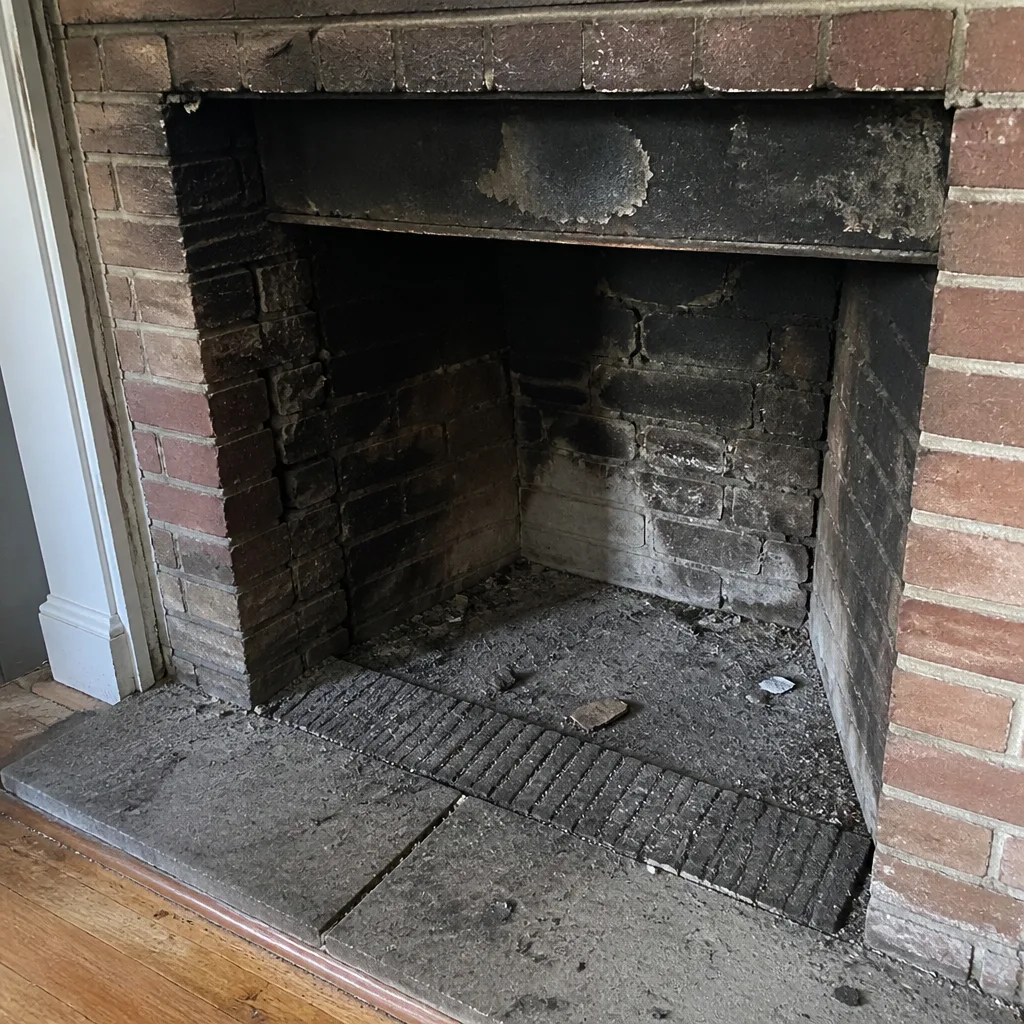
See the difference
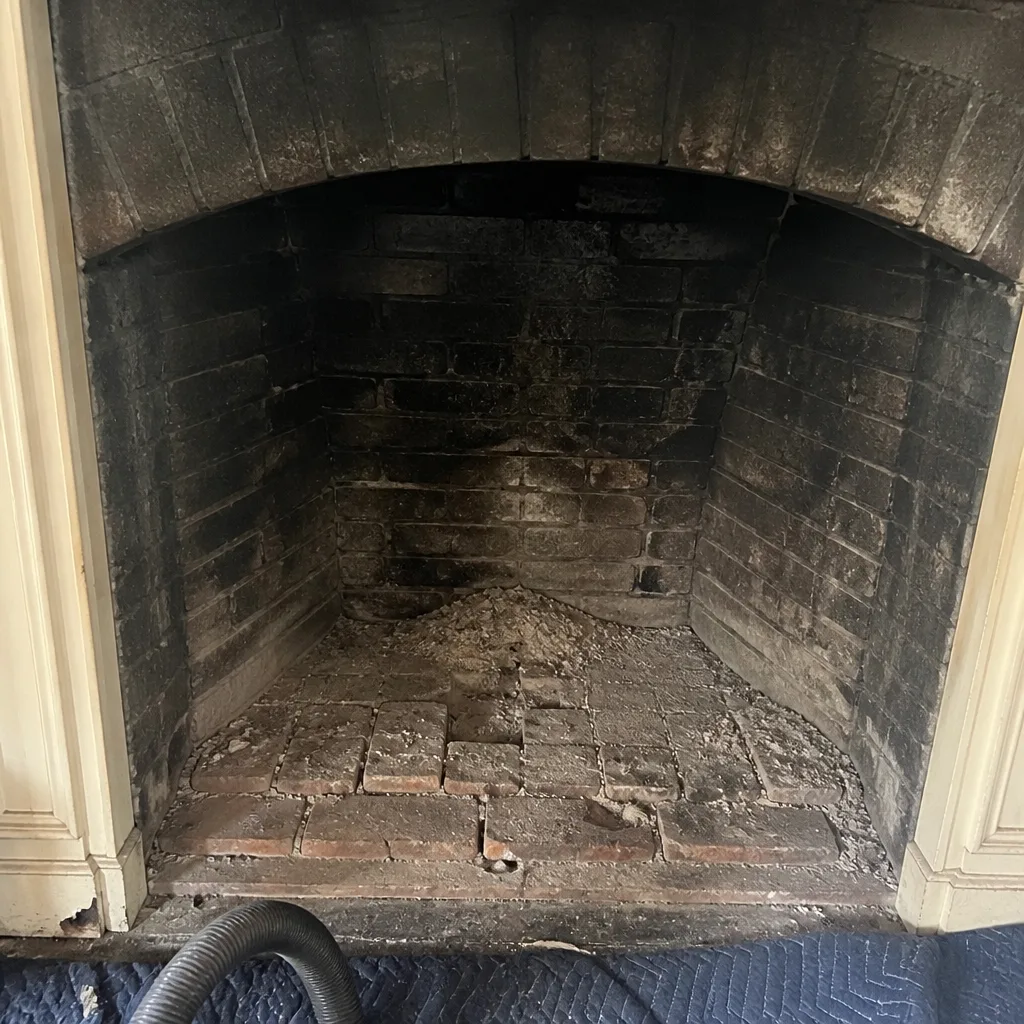 Before
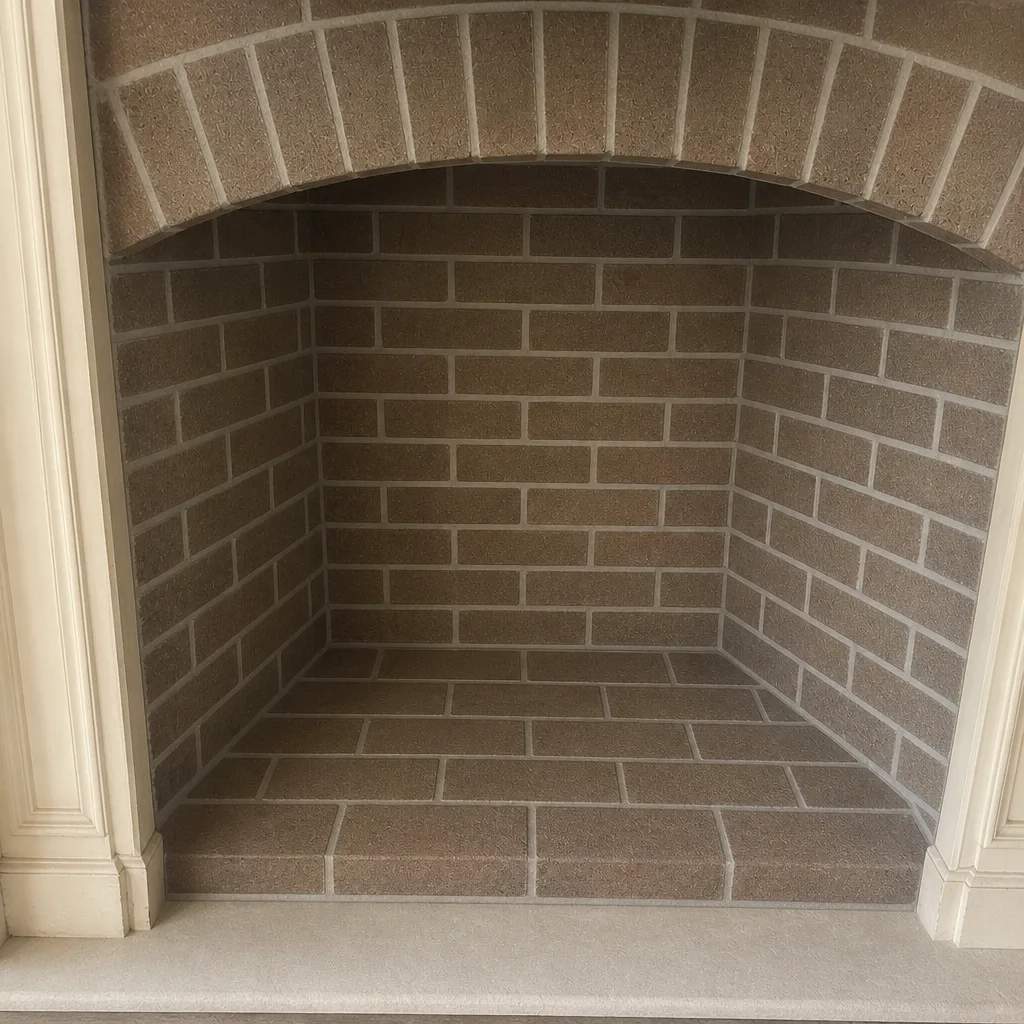 After
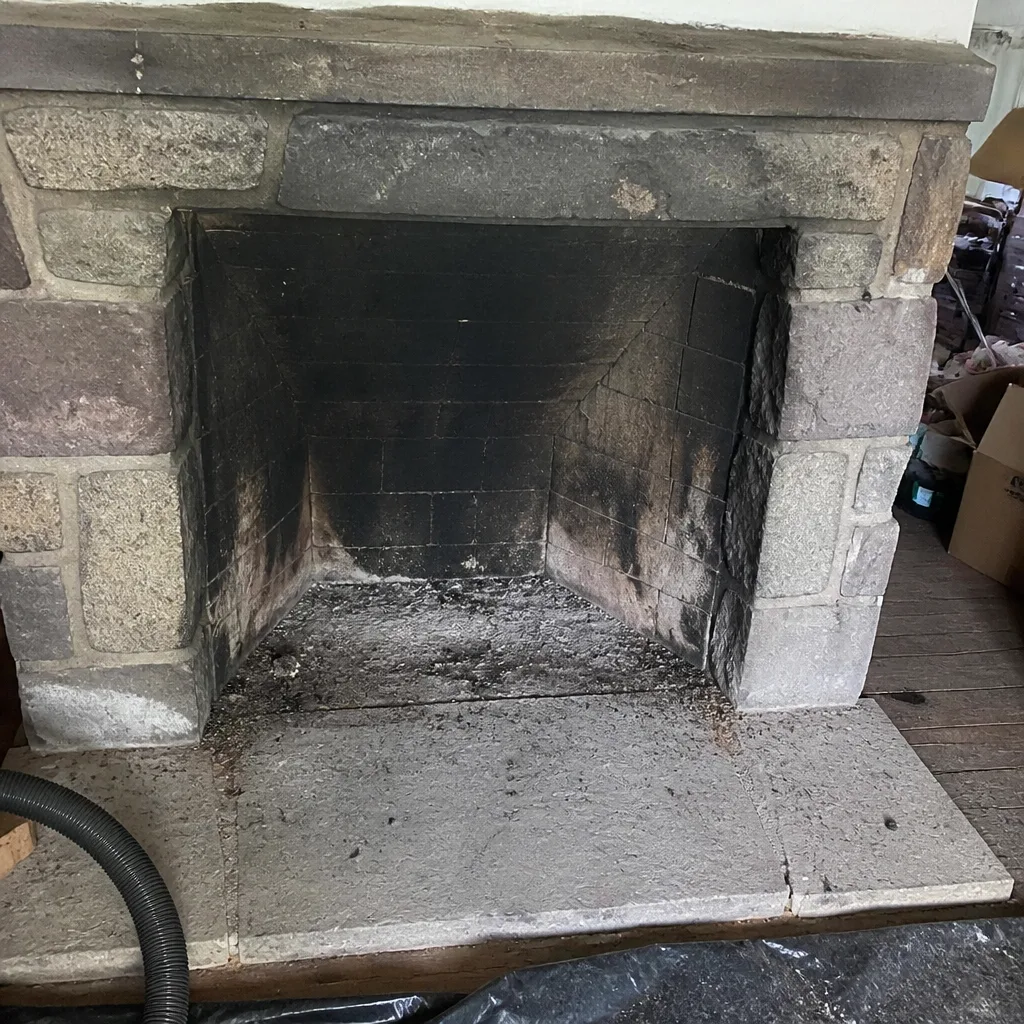 Before
 After
 Before
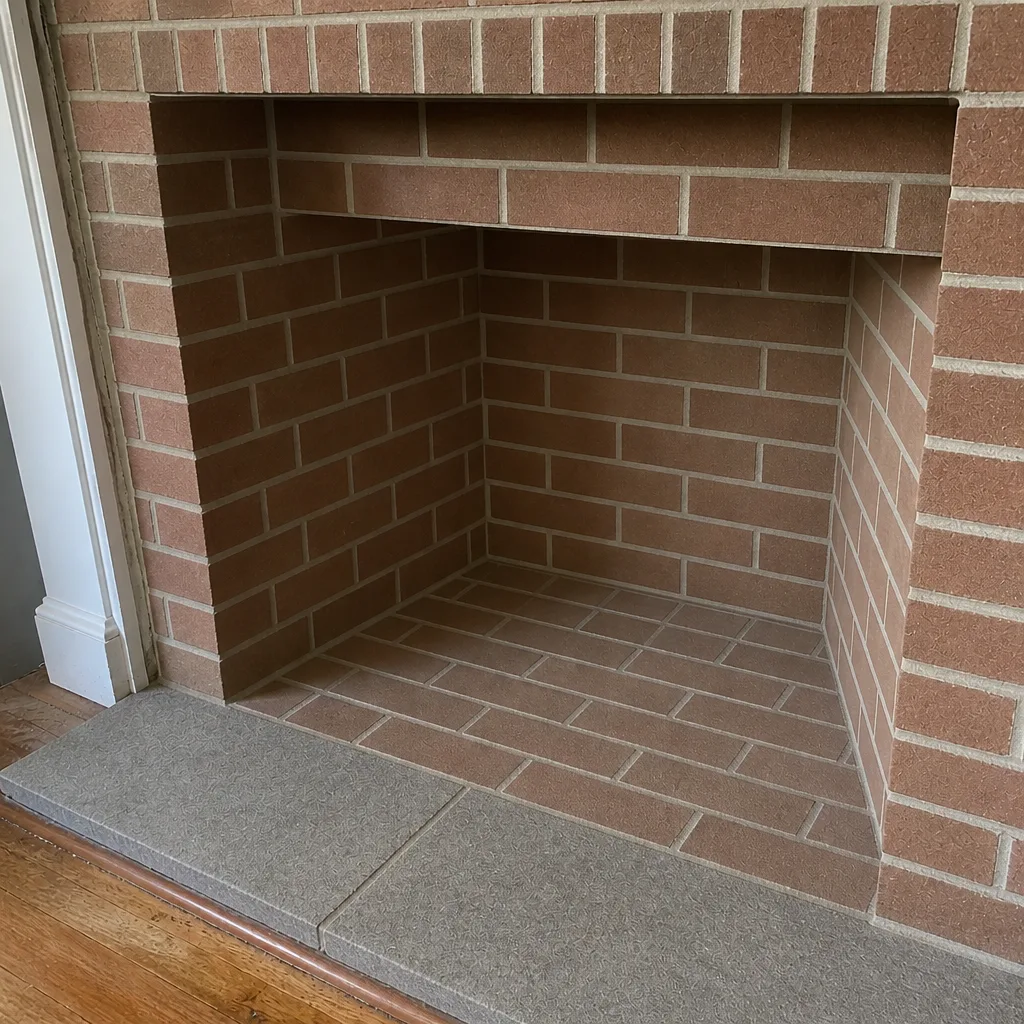 After
When to Call a Professional
Call a professional if you haven’t had the chimney swept in the last year and you’ve had fires in it. Call if you’re noticing a stronger-than-usual smoky smell in the room when the fire is lit, if draft has gotten difficult, if there’s visible crumbling mortar around the crown or stack, or if the firebox shows cracked brick or a damper that won’t sit right. Also call if you’re buying a home in Highbridge and want an objective inspection before closing, or if you’ve moved in and don’t know the last time the chimney was touched. These are the cases where a leveled inspection and a documented cleaning matter most. Chimney Sweep Highbridge offers free estimates in Highbridge – call (833) 513-8797. We answer 24/7, with fast dispatch from 7am to 7pm, Sunday through Friday.
Frequently Asked Questions
Typical cleaning estimates in Highbridge fall in the range you’d expect for a properly measured job on a masonry or lined flue, with nonstandard flues and stage 2 or 3 creosote landing higher because they take longer and different tooling. We set the price per job by written estimate after the flue is measured, and the estimate is free. Call (833) 513-8797 for an exact quote – estimates are free.
Sometimes the liner can be repaired with HeatShield resurfacing rather than replaced, and sometimes replacement is the correct call. The deciding factor is what the flue inspection actually shows, and you should see the photos before anyone recommends either. Call (833) 513-8797 to book an inspection that tells you what’s there, not just what we can sell you.
Once a year for chimneys in regular use, with a Level 1 inspection every year regardless. Older pre-1940 masonry in Highbridge may need more frequent checks if you burn heavily or use unseasoned wood. Call (833) 513-8797 if you’re unsure where your chimney sits in that cycle.
The creosote in the flue keeps building, and the higher the stage, the more flammable the deposit becomes – that’s the real risk, along with a flue that’s restricting draft and letting smoke back into the room. Nothing about it is urgent in a single week, but it’s not a “next year” problem either. Call (833) 513-8797 to book before burning season.
Yes. A cleaning visit is the natural time to inspect the cap and crown, and if either has failed – a missing cap, a cracked crown – we can quote the fix on the spot with purpose-built Gelco or Famco components sized to your stack. Call (833) 513-8797 to combine both.
We do. A standalone inspection gives you an objective condition report before buying a home or before heating season, without pushing a cleaning into the visit. Call (833) 513-8797 to book an inspection as a separate service.
The Bottom Line
Chimney cleaning in Highbridge is a sequence, not a single act. It starts with a Level 1 inspection, moves through flue-material and creosote-stage diagnosis, uses tools matched to that material, and ends with a written record and photos you can hold onto. Older pre-1940 Highbridge housing makes the diagnosis step matter more than it would in a newer city, because nonstandard flue dimensions change the tools and the time. When a specialist names the materials, shows you the evidence, and tells you plainly when work can wait, you have the information you need – and that’s the standard we hold ourselves to. From the flue liner to the chimney cap, we handle it. For a Chimney Sweep Highbridge you can call with confidence, reach us at (833) 513-8797. We answer 24/7. Fast dispatch from 7am to 7pm, Sunday through Friday.
Written by the team at Chimney Sweep Highbridge.