
Last updated November 25, 2026
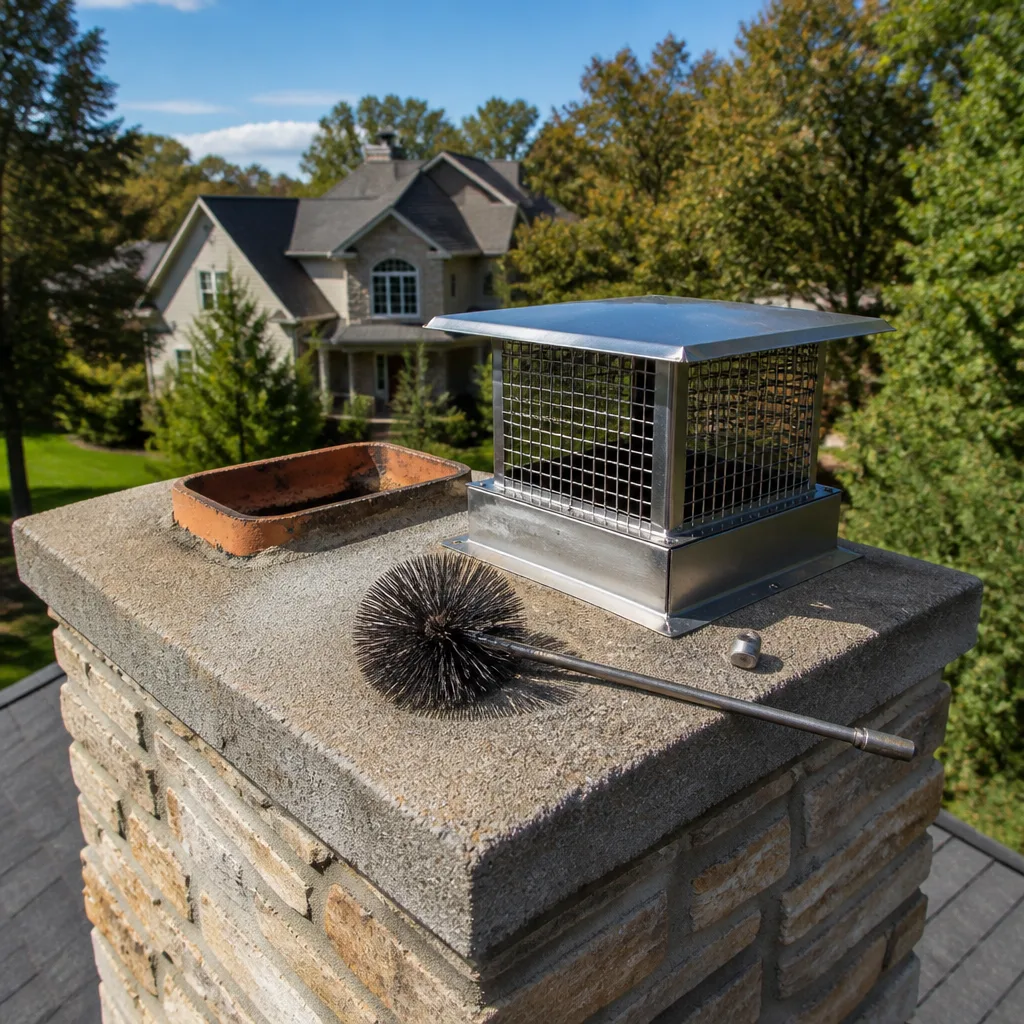 Sweep & inspection
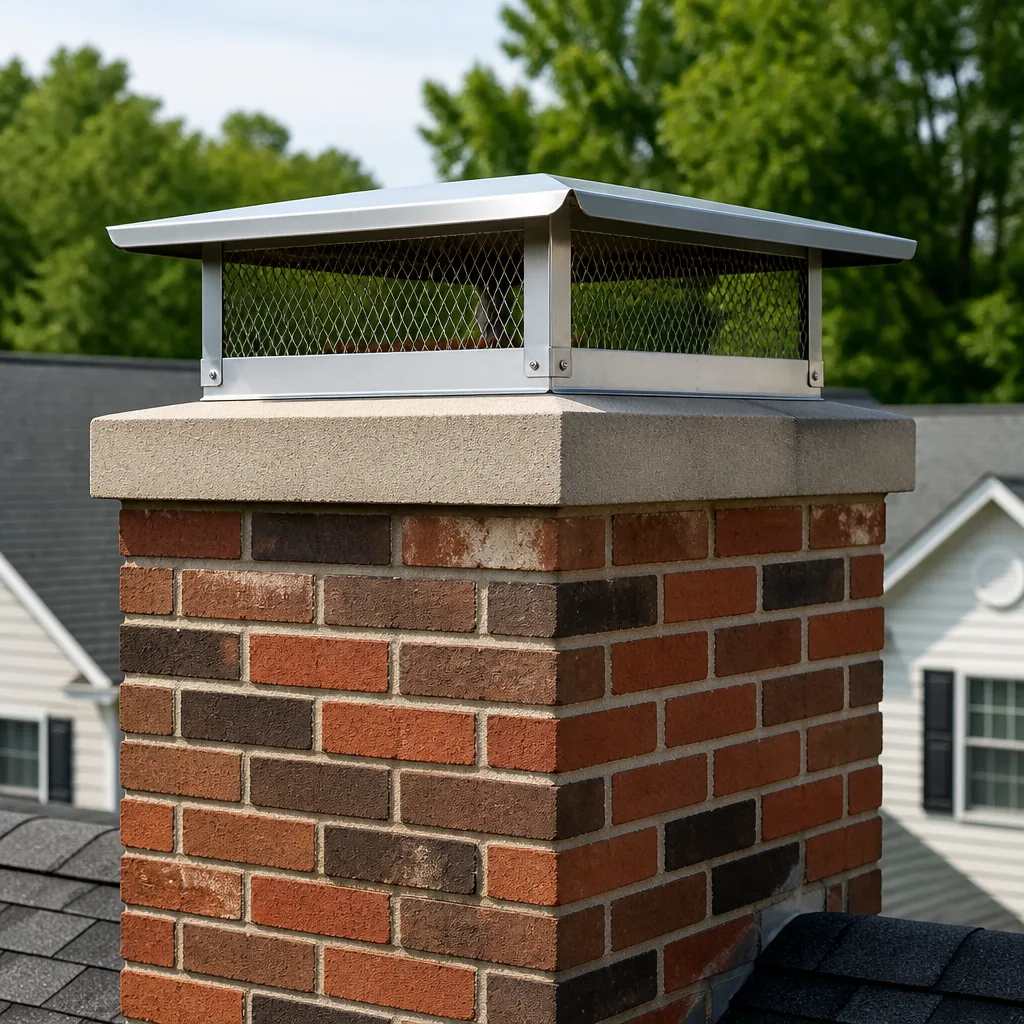 Caps & crowns
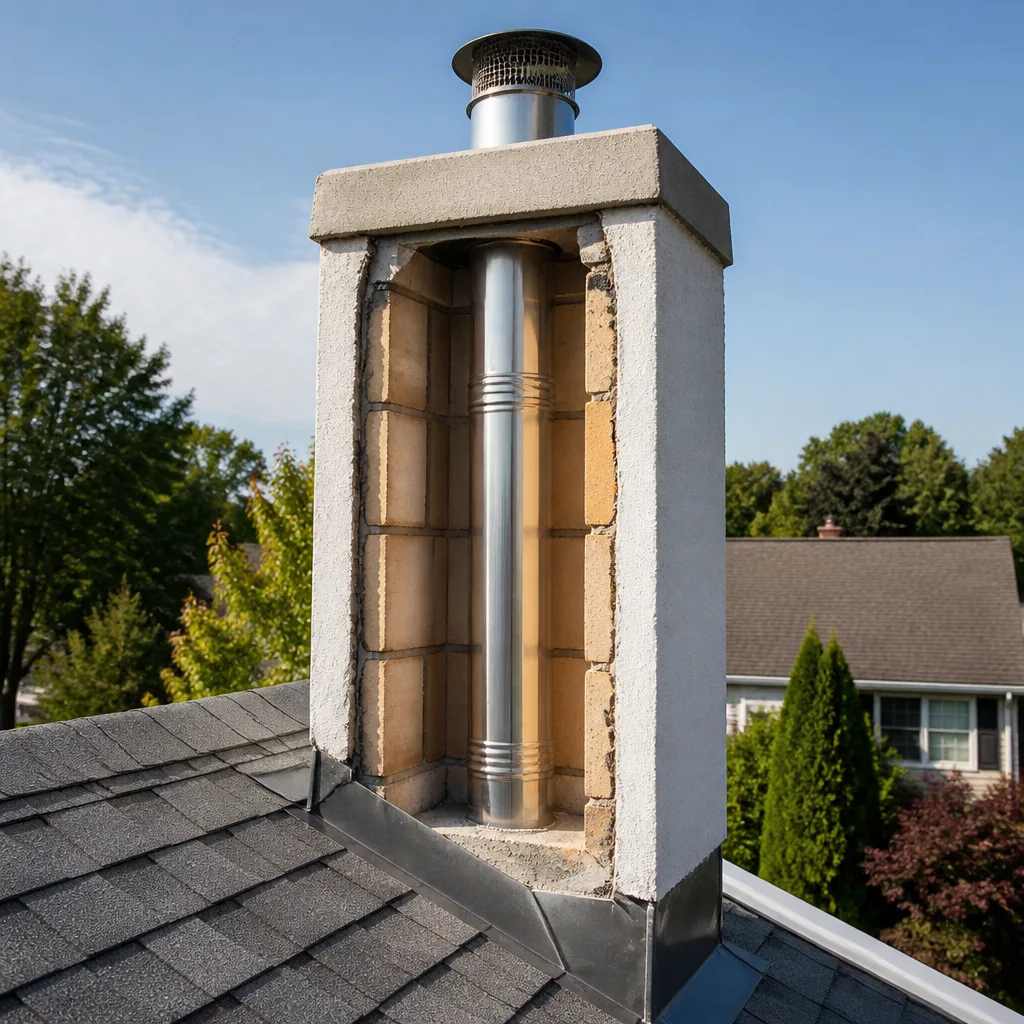 Flue relining
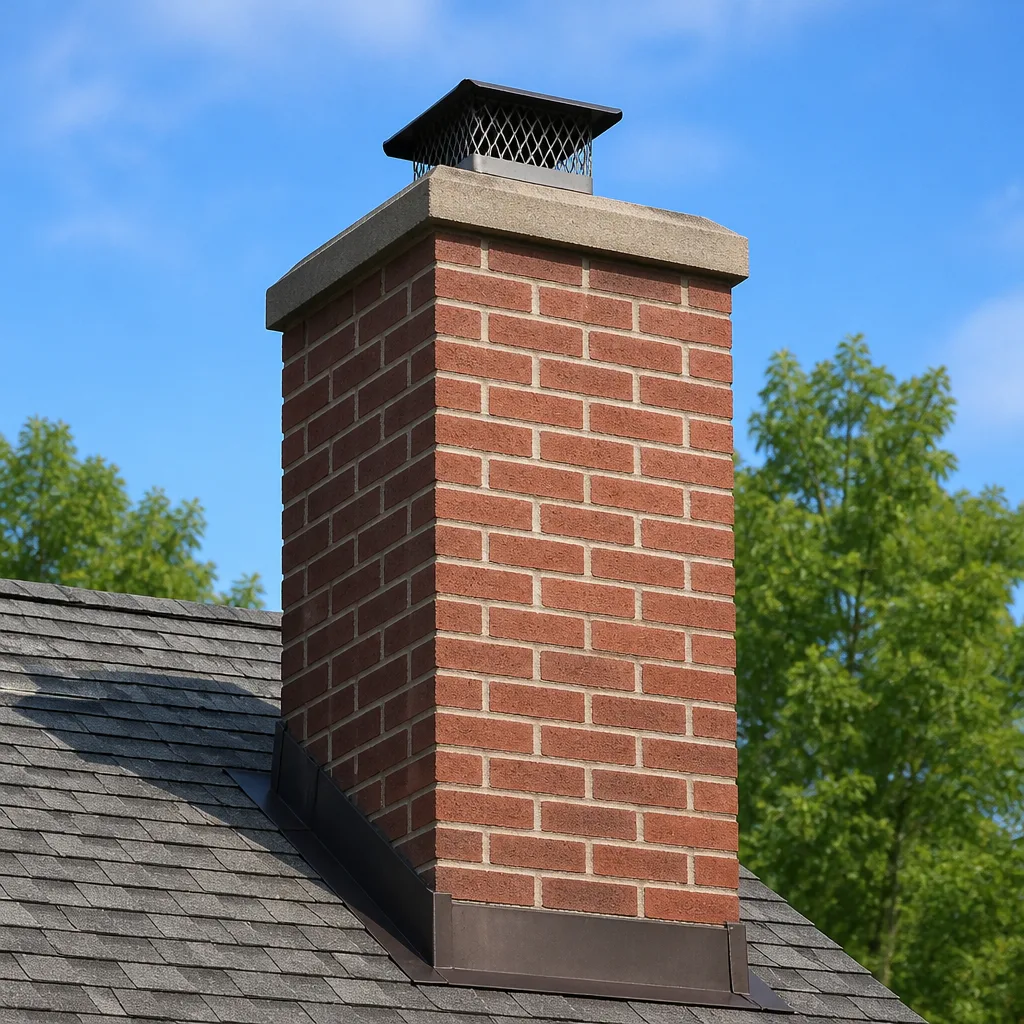 Masonry repair
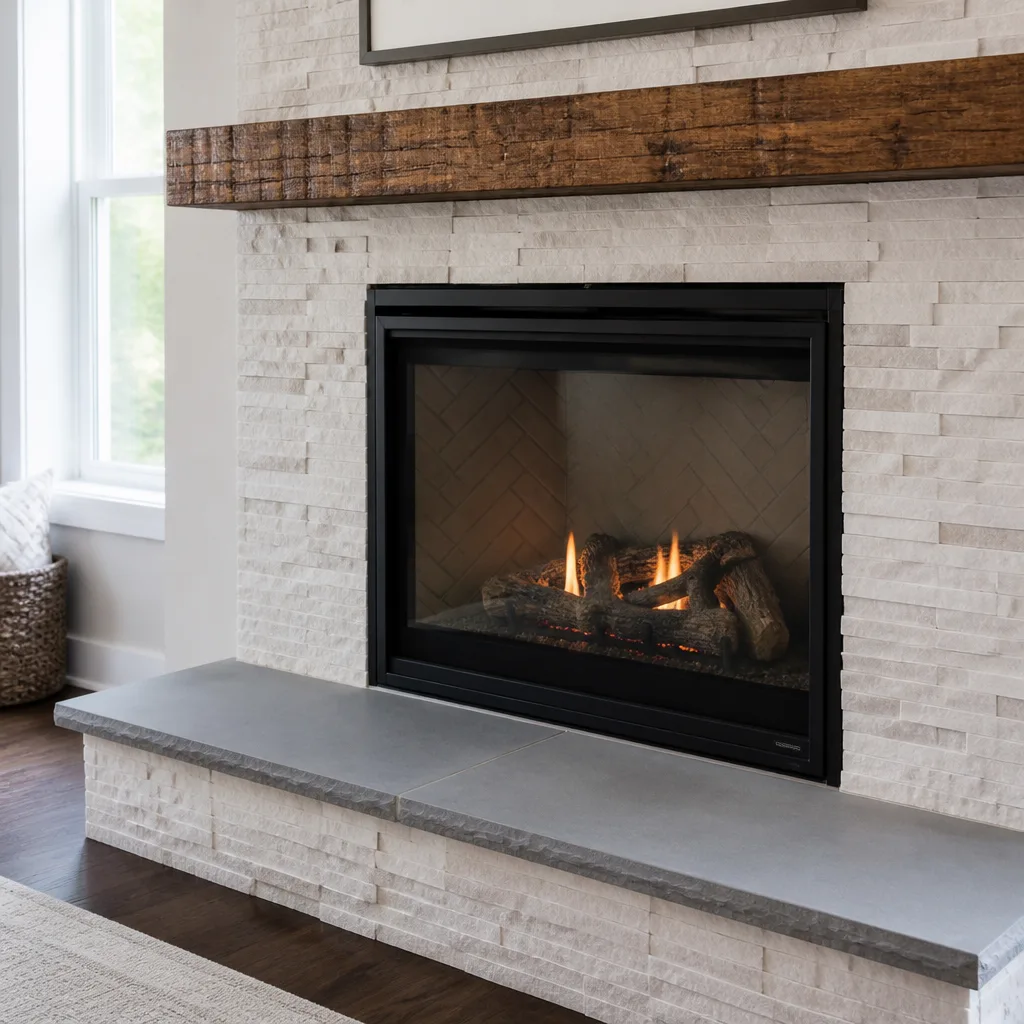 Gas fireplace service
Level 1 sweep and inspection to the NFPA 211 annual standard - flue, crown, cap, and flashing checked and photographed
Chimney sweep logs do not sweep chimneys. They loosen some creosote - which then falls where a brush and vacuum still have to collect it.
DIY vs Professional Chimney Cleaning: The Highbridge Homeowner’s Decision Guide
The limiting factor in DIY chimney cleaning isn’t skill. It’s the fact that you can’t assess liner integrity or creosote stage without a camera and a trained eye, which means you can do a clean job and still miss the condition that matters most. Highbridge has a lot of older homes with fireplaces that haven’t had a documented assessment in years, and that gap shows up whether the cleaning is done by a homeowner with a rod set or by a generalist handyman. This guide lays out what a competent DIY sweep actually requires, the narrow conditions where it makes sense, and the specific points where a professional sweep does something a homeowner physically cannot. By the end you’ll have a decision framework you can apply to your own flue, not a sales pitch.
Quick Answer
DIY chimney cleaning is reasonable only when you have a documented, straight flue with light stage 1 creosote and no recent chimney events, and you’re willing to buy the right equipment and contain the dust properly. For most Highbridge homes, a professional sweep is the right call because the cleaning itself is the easy part; the video scan and condition assessment that come with it are the part a homeowner can’t replicate. The honest test is whether you can verify your situation, not whether you can swing a brush.
Styles & brands we work with
- Sweep & inspection
- Caps & crowns
- Flue relining
- Masonry repair
- Gas fireplace service
Table of Contents
- What a Competent DIY Sweep Actually Takes
- When DIY Cleaning Is the Right Call
- When DIY Cleaning Is the Wrong Call
- What a Professional Sweep Does That You Physically Can’t
- Creosote Stages and Why the Distinction Matters
- The Liability and Insurance Angle
- A Decision Framework for Your Own Chimney
- Cost Comparison: DIY Setup vs Professional Sweep
What a Competent DIY Sweep Actually Takes
Doing a chimney sweep correctly is a specific job with specific equipment, and the gear is where most DIY attempts fall apart before the brush ever goes up. A homeowner who buys a cheap brush and a rope tends to make a mess, lose bristles in the flue, and learn nothing about the chimney’s condition. The equipment list below is what a trained sweep carries to a routine cleaning.
- Rod set. Flexible fiberglass rods in a length that reaches your full flue height with a few feet to spare. Too short and you can’t reach the crown; too stiff and you damage soft flue tiles.
- Brush sized to the flue’s actual internal dimension. A brush that’s too small skips creosote on the walls. A brush that’s too large binds and can crack tile. You measure the flue, not guess it.
- Poly brushes for tile and stainless, wire only for specific cases. Wire brushes on a stainless liner can scratch it. The wrong brush for the liner material is a real problem.
- HEPA vacuum and containment. A shop vac without HEPA filtration blows fine soot into the room. A sealed sheet or drop cloth over the firebox opening is standard, not optional.
- Respirators and eye protection. Soot and creosote are not things to breathe without protection, and the powder is fine enough to hang in the air.
- Drop cloths and a ladder rated for the roof, if you go top-down. Bottom-up sweeping avoids the roof but requires the right rod flexibility.
Add it up and a first-time DIY setup runs into real money, well before you’ve accounted for the time. That’s the honest math: buying the equipment once is a serious purchase, and buying it cheap usually means buying it twice. If you want the full picture of what a professional sweep involves on a Highbridge home, our chimney sweep page walks through the process step by step.
When DIY Cleaning Is the Right Call
There are genuine cases where DIY cleaning is reasonable, and it’s worth naming them plainly because the chimney trade doesn’t always. If every one of the conditions below describes your situation, a careful homeowner can do a routine clean and save the visit.
- Your flue is documented. You have a written record from a prior professional inspection showing a straight, intact liner with no cracks, no gaps, and no offset. Documentation means a real report, not a memory of somebody saying it looked fine.
- The buildup is light stage 1 creosote. Stage 1 is the sooty, flaky deposit that brushes off easily. Stage 2 and stage 3 are not DIY territory (more on that below).
- The flue is a single straight run. No offsets, no dampers with awkward geometry, no chimney that bends around another room. Straight flues are the ones a rod set can actually follow.
- No recent chimney events. No house fire, no chimney fire, no animal intrusion you know of, no water damage, no masonry work done recently on the chimney itself.
- You can contain the dust safely. A sealed opening and a HEPA vacuum, not a shop vac blowing soot into the living room.
- You’re doing this as routine maintenance between professional assessments, not instead of them. DIY sweeping doesn’t replace a periodic professional inspection; it supplements one.
If your situation fits all six, DIY is a defensible choice. If it fits four or five, the odds start working against you. Highbridge has a mix of masonry chimneys in older houses and newer metal-liner installs, and the two behave differently. A metal-liner install is the closest thing to a DIY-friendly flue because the surface is consistent. Older masonry flues are where the surprises live.
None of this is a pitch. The reason we lay it out this honestly is that the homeowners who most need a professional sweep are usually the ones assuming their setup is fine. The conditions above are the test that separates those two groups.
When DIY Cleaning Is the Wrong Call
DIY cleaning is the wrong call whenever you can’t verify your situation, and that covers more cases than most homeowners expect. The clearest ones are below.
- Any indication of stage 2 or stage 3 creosote. Glazed, tar-like creosote needs mechanical rotary cleaning by someone trained to handle it. It’s also a chimney fire risk, which is not a condition to brush at from a ladder.
- An undocumented liner. If you don’t have a report showing the liner is intact, you don’t know whether you’re brushing creosote off a sound surface or knocking loose a tile that’s already cracked.
- Draft problems. If the fireplace smokes into the room, backdrafts, or has a lazy, weak flame, the cause could be a blockage, a liner gap, a sizing issue, or pressure problems in the house. Cleaning doesn’t fix any of those, and a DIY clean can leave you with a clean flue and the same draft problem.
- A chase or offset flue. Rods won’t reliably navigate the geometry, and you can’t see what you missed.
- Recent events. After a chimney fire, an animal intrusion, a water leak down the flue, or a masonry repair on the chimney stack, a video scan is the starting point, not a brush.
- Burning a wood stove. Wood stoves run different flue temperatures and creosote dynamics than open fireplaces. The assessment thresholds matter more, not less.
- Any home purchase or insurance inspection in the immediate future. Undocumented cleaning leaves no evidence trail.
If any of those describe your chimney, cleaning without an assessment first is done blind. That’s the honest bottom line, and it’s worth restating: the brush is not the hard part. Knowing what you’re brushing is.
What a Professional Sweep Does That You Physically Can’t
A professional sweep does two things a homeowner cannot do alone: it runs a video scan of the entire flue interior, and it interprets what the scan shows against a trained reference of what a sound liner looks like versus a failing one. Everything else – the brushing, the dust containment, the inspection of the firebox – a careful homeowner can approach with the right gear. The scan is the differentiator.
Here’s what the scan actually reveals that a brush and a flashlight cannot:
- Hairline cracks in tile flues that don’t show from a firebox view, because the light doesn’t reach past the first offset.
- Gaps at tile joints where creosote and heat can reach the surrounding masonry, which is where trouble starts.
- Missing mortar in the liner between tile sections – a common finding in older Highbridge masonry chimneys.
- Liner separation on stainless systems, where a joint has come apart and the flue is no longer continuous.
- Blockages from birds, squirrels, and nests that sit above the visible firebox but short of the cap.
- The actual interior dimension of the flue at every level, which tells you whether it’s sized correctly for the appliance it serves.
A camera scan at the point of cleaning is the difference between cleaning a chimney and knowing its condition. That’s why we treat the scan as part of the job, not an add-on. When we do a sweep, we send a camera up and a report back with it. If you want to see what a standalone assessment looks like, our chimney repair work starts from the same scan, because repairs are only worth recommending against evidence.
The other thing a professional sweep brings is the ability to name problems precisely and, when the fix is a liner restoration, offer options. We use HeatShield, a resurfacing system designed to restore an existing flue liner without full reliner replacement, where the liner’s condition makes that appropriate. That’s a cost-relevant option most homeowners don’t hear about until they’ve been quoted a full reline. It’s the kind of thing a camera scan surfaces and a brush never will.
Creosote Stages and Why the Distinction Matters
Creosote is the residue left when wood smoke cools inside the flue, and it comes in three main stages. The stage determines what kind of cleaning is appropriate, and stage 2 or 3 is not something to handle from a ladder at home.
- Stage 1: soot and flaky deposit. Looks like black powder or thin flakes. Brushes off with a properly sized poly brush. This is where DIY is defensible if everything else in the checklist fits.
- Stage 2: hardened, crusty creosote. Dense, sometimes with a shiny surface. Ordinary brushing removes some but not all. A professional uses rotary cleaning gear to strip it down to the liner surface. DIY attempts tend to leave a layer behind that keeps accumulating.
- Stage 3: glazed, tar-like creosote. Hard, glassy, and fuel-rich. This is the deposit category that most concerns chimney specialists, because it ignites at lower temperatures and burns hot. Stage 3 is professional territory, full stop. Never attack it with a brush and a ladder as a homeowner.
You can’t reliably identify your creosote stage from the firebox. Stage 1 near the firebox might sit above stage 2 further up the flue, because the flue cools as it rises. The coolest part of the flue is where the worst creosote lives, and that’s not the part you can see. The camera scan is the only way to know.
A note on what affects buildup in Highbridge specifically: burning habits matter far more than the calendar. A homeowner burning seasoned hardwood gets less buildup than a homeowner burning green or unseasoned wood, even with the same number of fires. A smoldering, damper-restricted fire deposits more creosote than a hot, open one. That’s why the “sweep once a year” rule is a starting point, not a fixed law – and why an inspection tells you more than a schedule does.
The Liability and Insurance Angle
Undocumented DIY chimney cleaning affects your position if a chimney-related insurance claim is ever filed, and that’s a part of this decision most homeowners don’t think about until it matters. It’s not a scare point; it’s a practical one.
When you file a claim related to a chimney fire, smoke damage, or a carbon monoxide event, the insurer’s first question is what maintenance record exists. A professional sweep typically leaves a written report or a certificate of cleaning, which documents that the chimney was in a known condition at a known date. A DIY clean leaves nothing but your memory of when you last brushed it. That absence doesn’t automatically sink a claim, but it weakens your position when the adjuster is looking for evidence that the system was maintained.
The same is true at a home sale. Buyers’ inspectors ask for chimney documentation routinely. A recent professional inspection report answers the question cleanly. A homeowner’s word that “we clean it every year” doesn’t carry the same weight, and it often triggers a re-inspection that delays a closing.
None of this argues for stacking up paperwork for its own sake. It argues for a written record from a professional at sensible intervals – typically an annual inspection, and a sweep whenever the inspection calls for it. That record is the point. It’s also why we offer standalone inspections, not bundled only with cleaning. The report has value on its own, whether you then book the sweep with us or not. If you want the record without the follow-on sales conversation, that’s what the standalone inspection is for.
A Decision Framework for Your Own Chimney
Here’s the honest framework we’d walk a homeowner through on the phone. It’s designed to produce an accurate answer either way, not to funnel every inquiry into a booking.
Step 1: Do you have a written professional inspection report from the last two years?
If yes, move to Step 3. If no, you can’t verify your liner condition, and that alone pushes toward a professional assessment before any cleaning.
Step 2: Has anything happened since that report?
A chimney fire, an animal intrusion, water down the flue, a masonry repair, or a change to the appliance (a new insert, a new wood stove) resets the analysis. Get a fresh scan.
Step 3: Does the report show a straight, intact liner with no offset?
If yes, DIY cleaning is reasonable for routine maintenance. If no – if it shows cracks, gaps, an offset, or a chase – professional sweep territory.
Step 4: Can you identify the creosote stage from the report or from a recent visual?
Stage 1 only: DIY is defensible. Stage 2 or 3: professional. Unknown: professional assessment first.
Step 5: Does the fireplace or stove perform correctly?
Drafts properly, no smoke rollback, no smell in the room between fires? If not, cleaning won’t fix it, and a video scan is the first step.
Step 6: Are you willing to buy the right equipment and contain the dust?
If not, DIY clean is going to make a mess without accomplishing much. If yes, and you’ve made it through steps 1 through 5 cleanly, you’re in the right case for it.
Most Highbridge homeowners we talk to land in the professional column at Step 1 or Step 3, because the documentation gap is the common one. That’s not a failure of the homeowner – it’s the reality of living in older homes where the chimney was likely last assessed long before the current owner arrived.
Cost Comparison: DIY Setup vs Professional Sweep
The real cost comparison isn’t brush versus sweep; it’s the honest cost of a competent DIY setup against the cost of a professional visit that includes the scan. Note the word “competent” – the cheap setup often fails to do the job and leaves you buying the right gear after a mess. We price our work per job with a written estimate, so the final number depends on your specific chimney. The figures below are illustrative of the categories, not a quote.
- DIY setup, done correctly: rod set, correctly sized poly brush, HEPA vacuum, respirator, drop cloths, containment sheet. This is a one-time purchase that amortizes over many years if you stay in the home and keep the chimney in DIY-appropriate condition.
- DIY setup, done cheaply: undersized brush, shop vac without HEPA, no containment. Costs less upfront, makes a greater mess, and may damage soft flue tile. Not a real comparison to a professional sweep – it’s a comparison to nothing.
- Professional sweep with inspection: includes the brush work, the dust containment, the video scan, and a written report of condition. Priced per job by estimate. The scan typically isn’t separately priced when bundled with a sweep.
- Standalone inspection: the same scan and report without the cleaning, priced separately. Useful before a home purchase or before heating season when you want to know condition without booking work.
The clean way to think about it: the DIY set earns back its cost over several years if your chimney continues to qualify for DIY cleaning. If it doesn’t qualify, the money spent on the set is sunk, and you still need the professional visit and the report. The professional sweep costs more per visit but bundles the assessment, and the assessment is the part that protects the whole system.
One honest note on the sweep itself: we use recognized professional-grade product lines on any liner or cap work that comes out of a sweep’s findings. That’s DuraFlex, HeatShield, Gelco, Olympia Chimney, Famco, and Copperfield, and they’re named because they’re the products we chose for specific jobs, not because they’re the only good ones on the market. If a sweep turns up a liner concern, HeatShield resurfacing is often the cost-relevant path where a full reline would otherwise be quoted. If the sweep turns up a cap or crown issue, we stock and install Gelco and Famco caps and covers because they’re purpose-built for chimney applications rather than generic hardware-store substitutes. All of it belongs in the estimate, priced per job, with nothing added on afterward.
Common Mistakes to Avoid
- Sweeping without knowing the creosote stage. You can do a thorough brush job and leave a stage 2 or stage 3 layer behind that keeps accumulating. That’s not a clean chimney; it’s a chimney with a problem you haven’t identified.
- Using a shop vac without HEPA filtration. A shop vac blows the finest soot into the room, and it settles on everything. It’s not a safety detail – it’s the difference between a clean room and a remediation job.
- Buying a brush one size and using it on any flue. The brush has to match the interior dimension of the flue, which is different at the firebox than it is near the crown on a tapered flue. Measure before you buy.
- Sweeping from a ladder without securing the ladder and the work zone. Roof access is a real hazard, and a fall is a worse outcome than a dirty flue. A bottom-up sweep avoids the roof entirely on a straight flue, and it’s what most homeowners should do if they’re doing it at all.
- Cleaning but not inspecting after any major event. A chimney fire, an animal intrusion, or water damage needs a video scan before it needs a brush. Cleaning first can mask the problem.
- Assuming a clean chimney means a sound liner. They’re different questions, and a brush only addresses the first. A flue can brush clean and still have cracks the camera would have shown.
- Relying on DIY cleaning to substitute for a periodic professional assessment. DIY maintenance supplements a professional report; it doesn’t replace it. If you’re going to do the brush work yourself, build an inspection into the cycle.
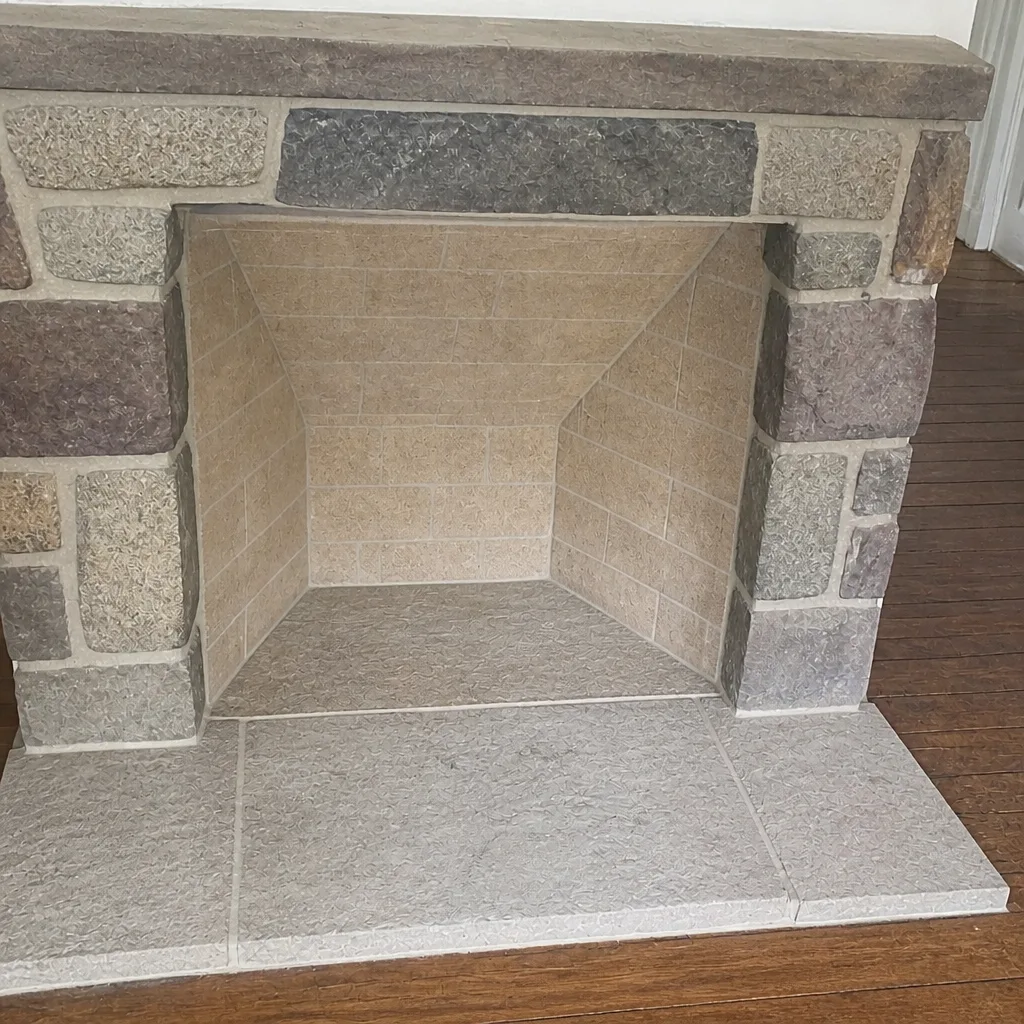
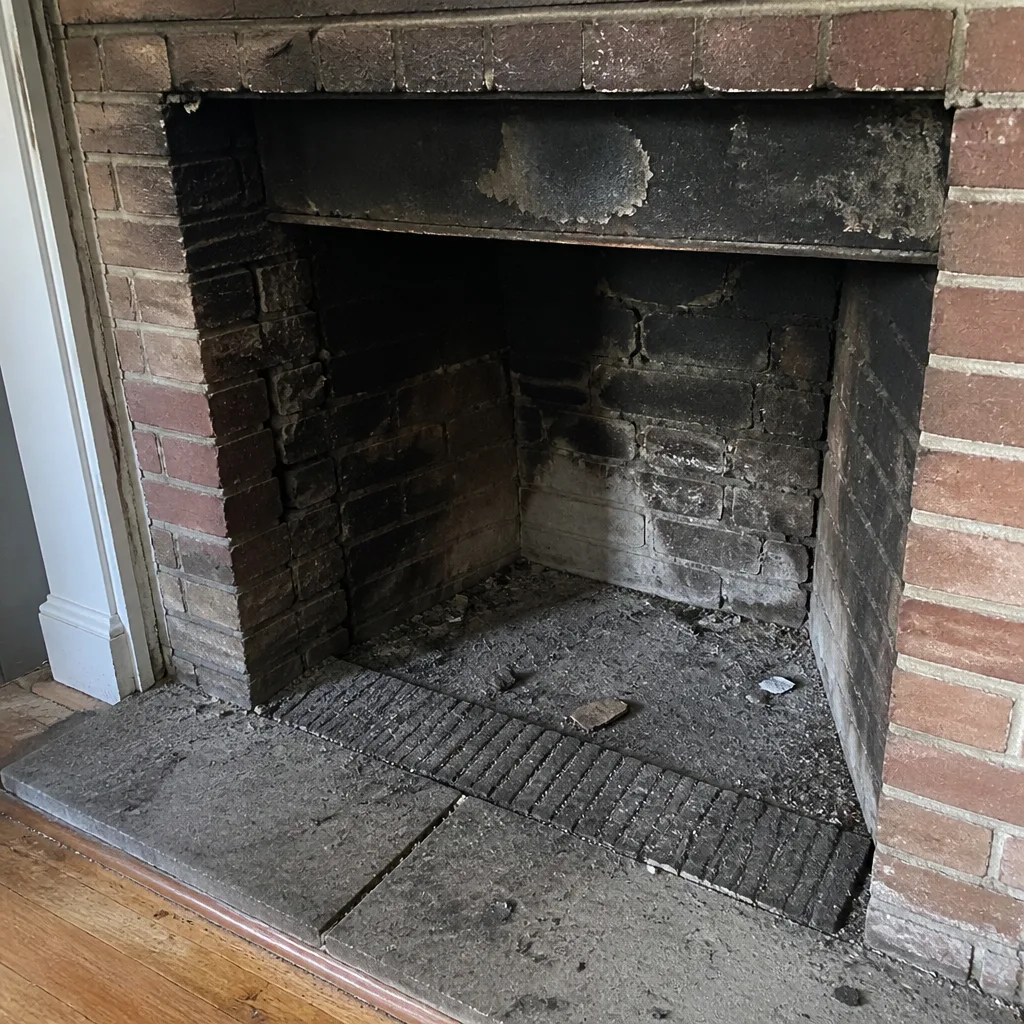
See the difference
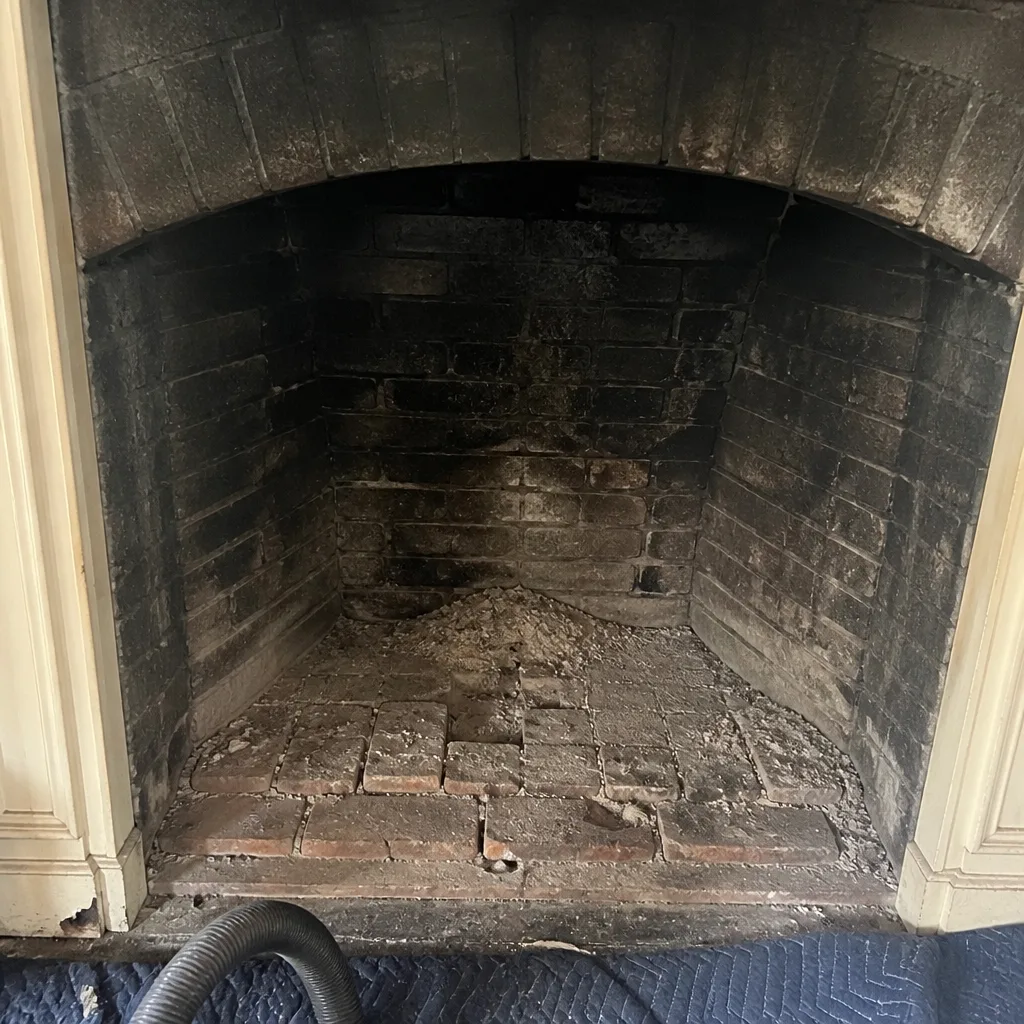 Before
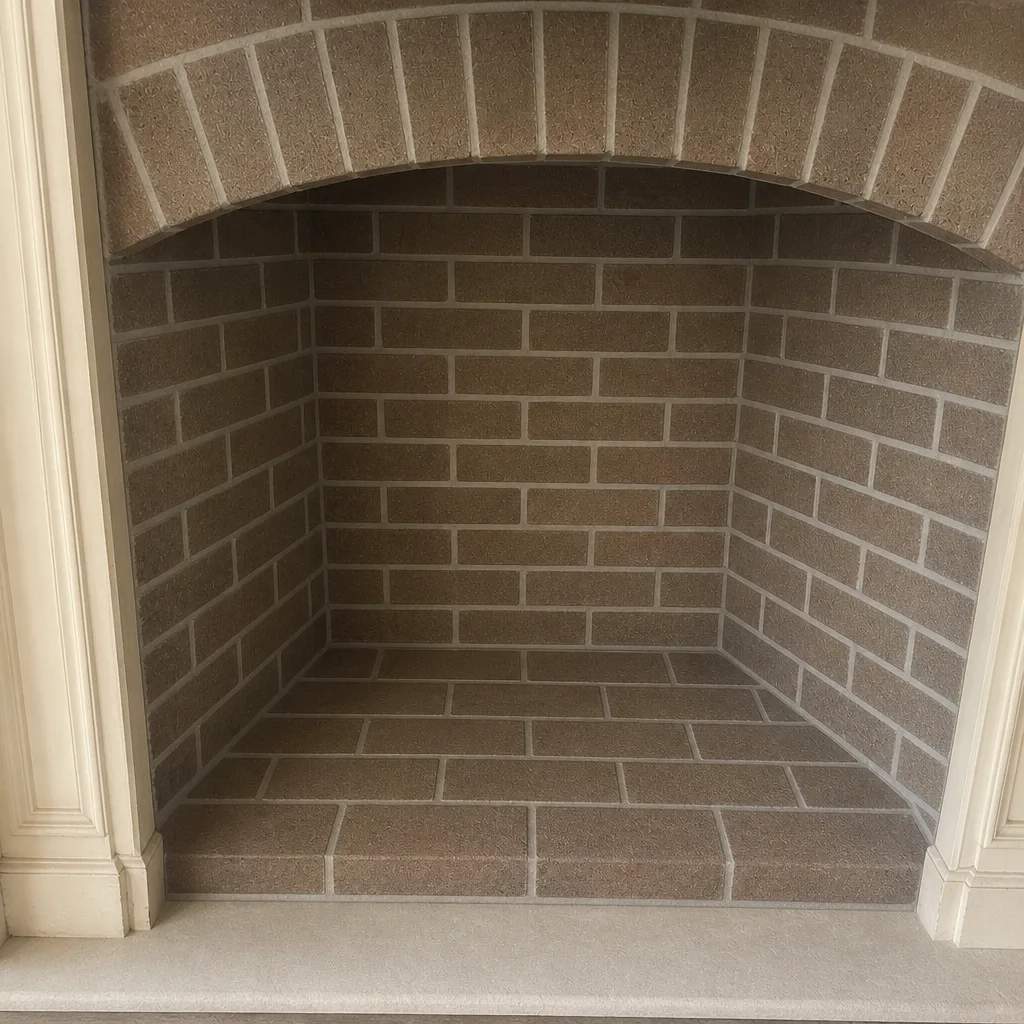 After
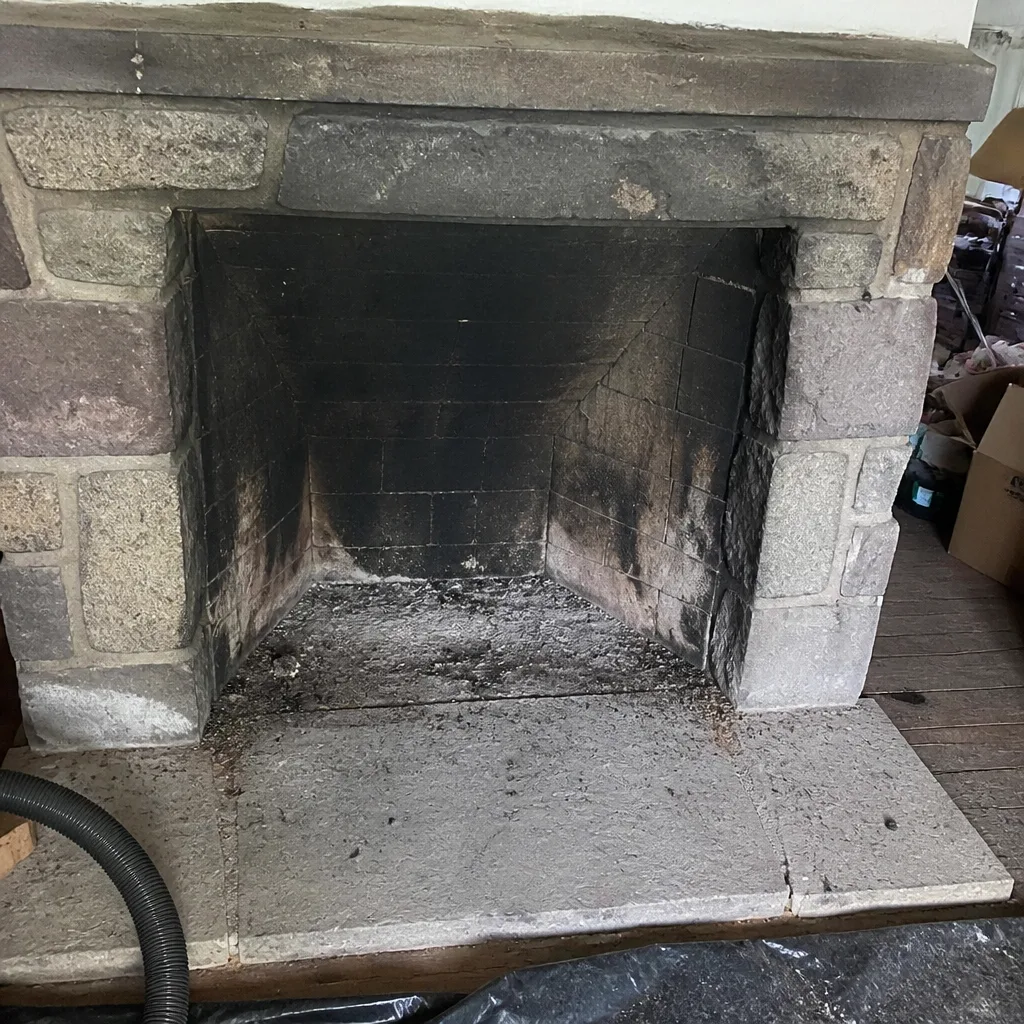 Before
 After
 Before
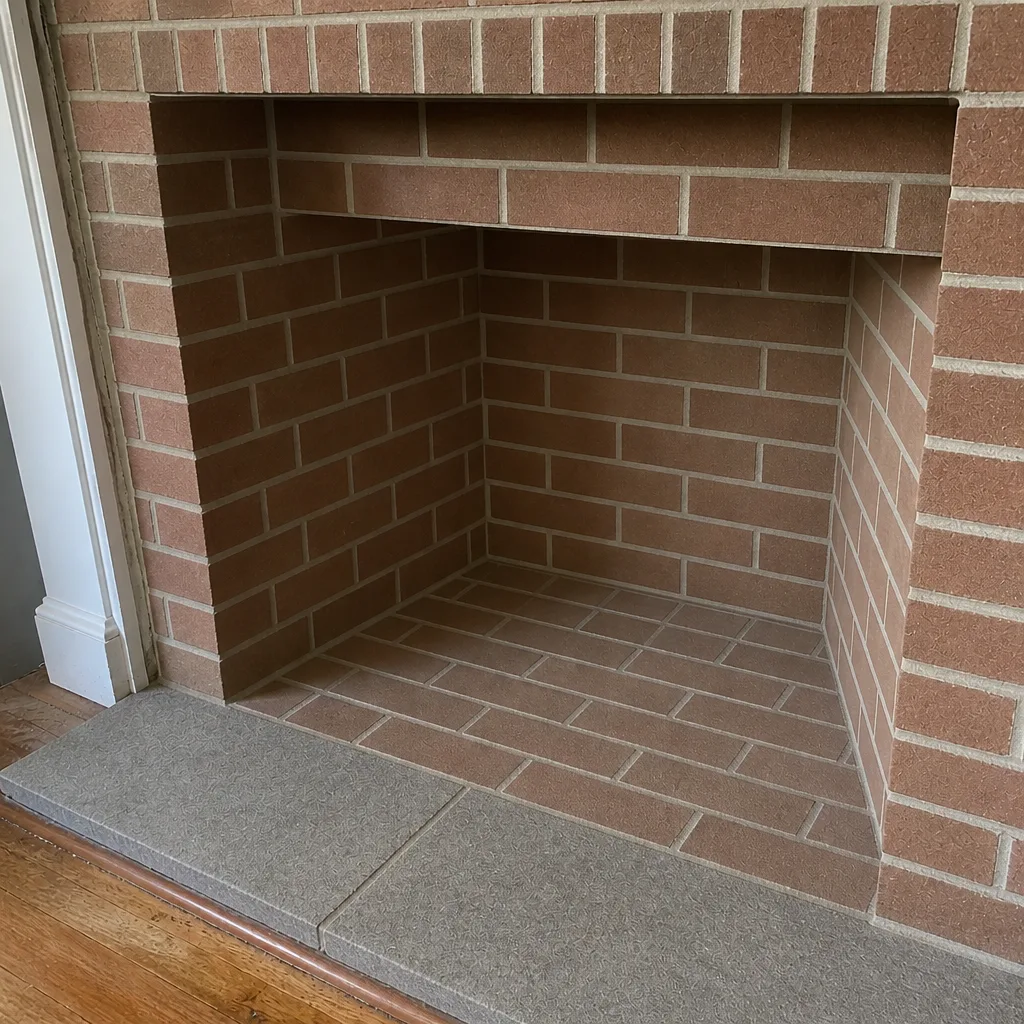 After
When to Call a Professional
Call a professional whenever you can’t verify your liner condition, whenever you’re seeing stage 2 or stage 3 creosote, whenever the flue has been through an event (fire, animal, water, recent masonry work), whenever the fireplace backdrafts or smokes, and whenever you’re buying or selling a home and need documentation. If your DIY setup doesn’t include a HEPA vacuum and proper containment, that’s also a call-a-professional situation, because a messy sweep is worse than no sweep. If the cap or crown on top of your chimney is missing, cracked, or loose, that’s a professional job as well – we install and replace them with chimney cap & crown materials built for the purpose. If you aren’t sure which column you fall in, that uncertainty is itself the answer: an inspection tells you, and then you can decide.
Chimney Sweep Highbridge offers free estimates in Highbridge. Call (833) 513-8797. We answer 24/7, fast dispatch from 7am to 7pm, Sunday through Friday, closed Saturday. Our technicians have up to 8 years of experience, and we’ll tell you honestly which column you fall into.
Frequently Asked Questions
DIY chimney cleaning is safe for a light stage 1 soot situation on a straight, documented flue with proper containment and a HEPA vacuum, and unsafe for stage 2 or stage 3 creosote, for an undocumented liner, and for any flue that’s been through a chimney fire or animal intrusion. The safety question isn’t about the brushing; it’s about whether you know what’s in the flue before you brush. If you can’t answer that, work with a trained professional.
A Highbridge chimney typically needs an annual inspection and a sweep whenever the inspection calls for it, which for a household burning regularly tends to be about once a year. Burning habits matter more than the calendar – unseasoned wood and smoldering, damper-restricted fires deposit more creosote than seasoned wood and hot fires. A professional assessment is the only way to know your chimney’s actual cycle.
Stainless liners are more forgiving than tile because the surface is consistent and a poly brush follows the liner cleanly, but the same caveats apply: the liner needs to be documented as intact, the creosote stage needs to be stage 1, and the flue needs to be a straight run. A camera scan is what confirms all three. If the liner is intact and the buildup is light, DIY cleaning is defensible with the right equipment.
A chimney sweep cleans the flue; a chimney inspection assesses its condition with a camera scan and produces a written report. They’re complementary and often done together, but the inspection is the part that tells you whether the liner is sound, whether the creosote stage is appropriate for another year, and whether anything needs repair. Chimney Sweep Highbridge offers inspections as a standalone service so you can get the report without booking the cleaning.
DIY cleaning leaves no written record, which weakens your position if a chimney-related claim is filed and the insurer looks for a maintenance history. A professional sweep typically leaves a report or certificate documenting the chimney’s condition at a known date. That record doesn’t guarantee a claim, but its absence tends to complicate one. Coverage and documentation requirements vary by insurer, so read your policy or ask your agent.
Glazed creosote – stage 3 – is professional territory and should never be attacked as a DIY project. It ignites at lower temperatures and burns hot, which is the condition that turns a routine cleaning into a fire risk. Call a professional sweep, arrange a video inspection, and let them assess what the appropriate path is. Call (833) 513-8797 for a free estimate – we’ll tell you honestly what you’re looking at.
The Bottom Line
The DIY-versus-professional question comes down to verification, not capability. A careful homeowner with the right rods, a correctly sized brush, and HEPA containment can do a competent routine clean on a documented, straight, stage 1 flue. What a homeowner cannot do alone is confirm that the flue is in that condition, and the confirmation is the whole point. Start with a professional assessment, especially if you don’t have a recent report. If the assessment says your situation is DIY-appropriate, do the brush work yourself with the right gear and keep the inspection cycle going. If it says stage 2 or 3, an undocumented liner, a chase flue, or a draft problem, the professional path is the only one that protects the system. Either way, the honest starting point is a camera scan and a written report. Highbridge homeowners deserve that clarity before spending money in either direction.
Call (833) 513-8797 for a free estimate on a sweep, a standalone inspection, or a condition assessment before you decide. We answer 24/7, fast dispatch from 7am to 7pm, Sunday through Friday, closed Saturday. You can learn more about how we approach chimney work on our Chimney Sweep Highbridge homepage, or ask us to walk you through a scope before you commit to anything. Either way, the plan is the same: find out what’s actually in the flue, then decide.
Written by the team at Chimney Sweep Highbridge.