
Last updated November 25, 2026
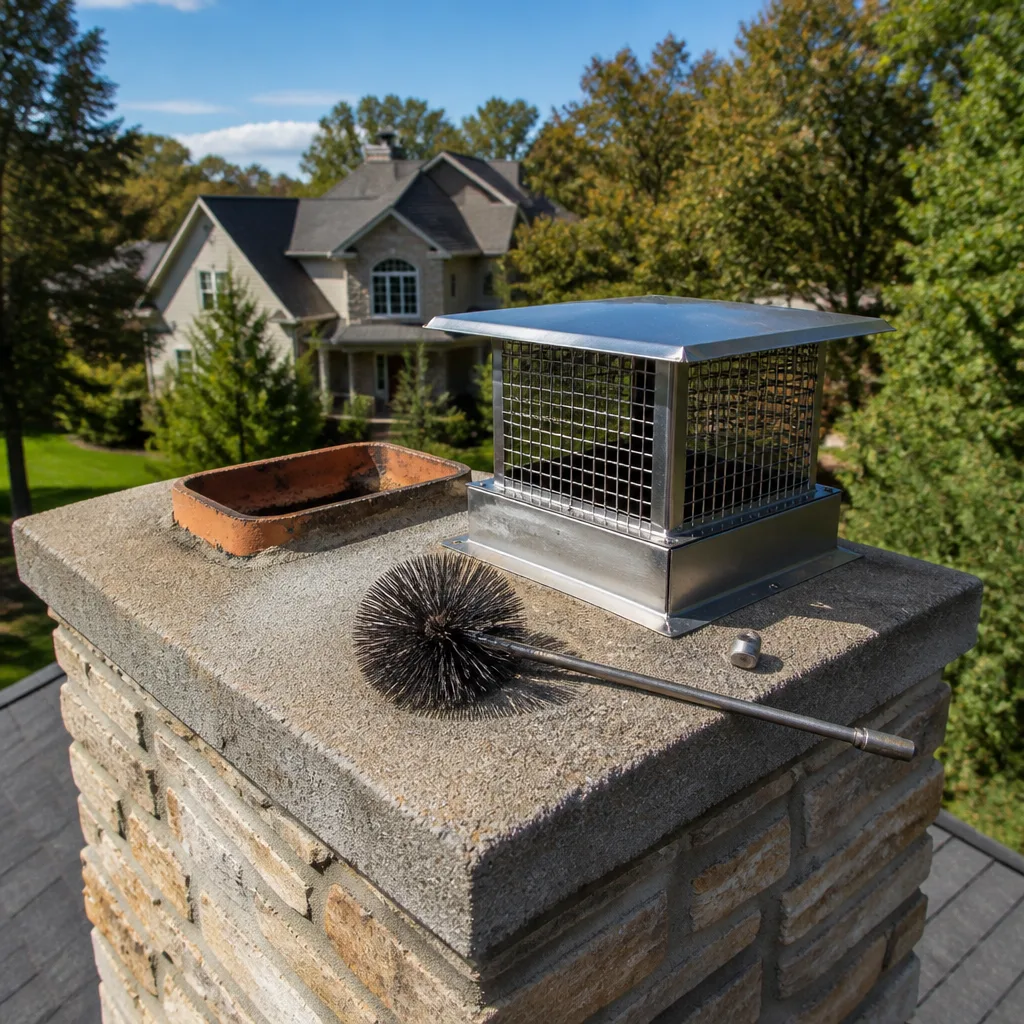 Sweep & inspection
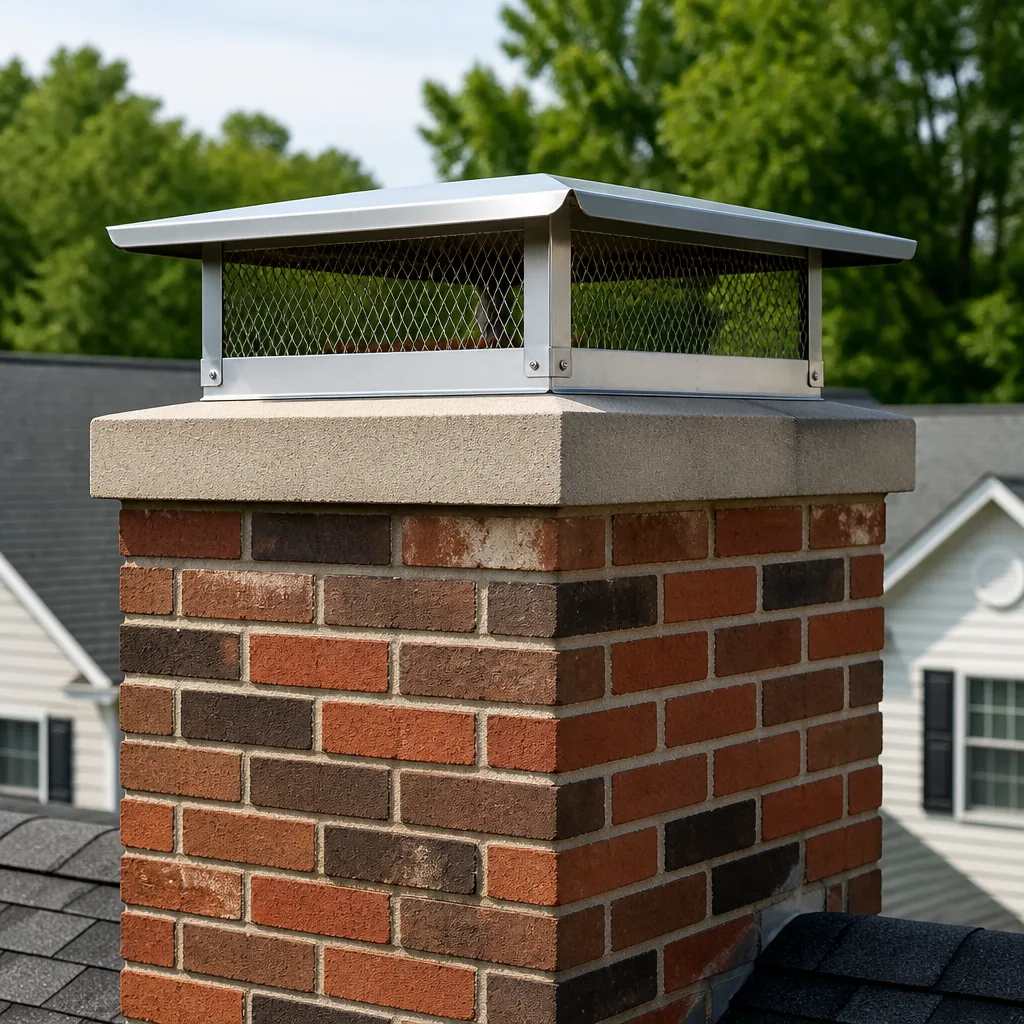 Caps & crowns
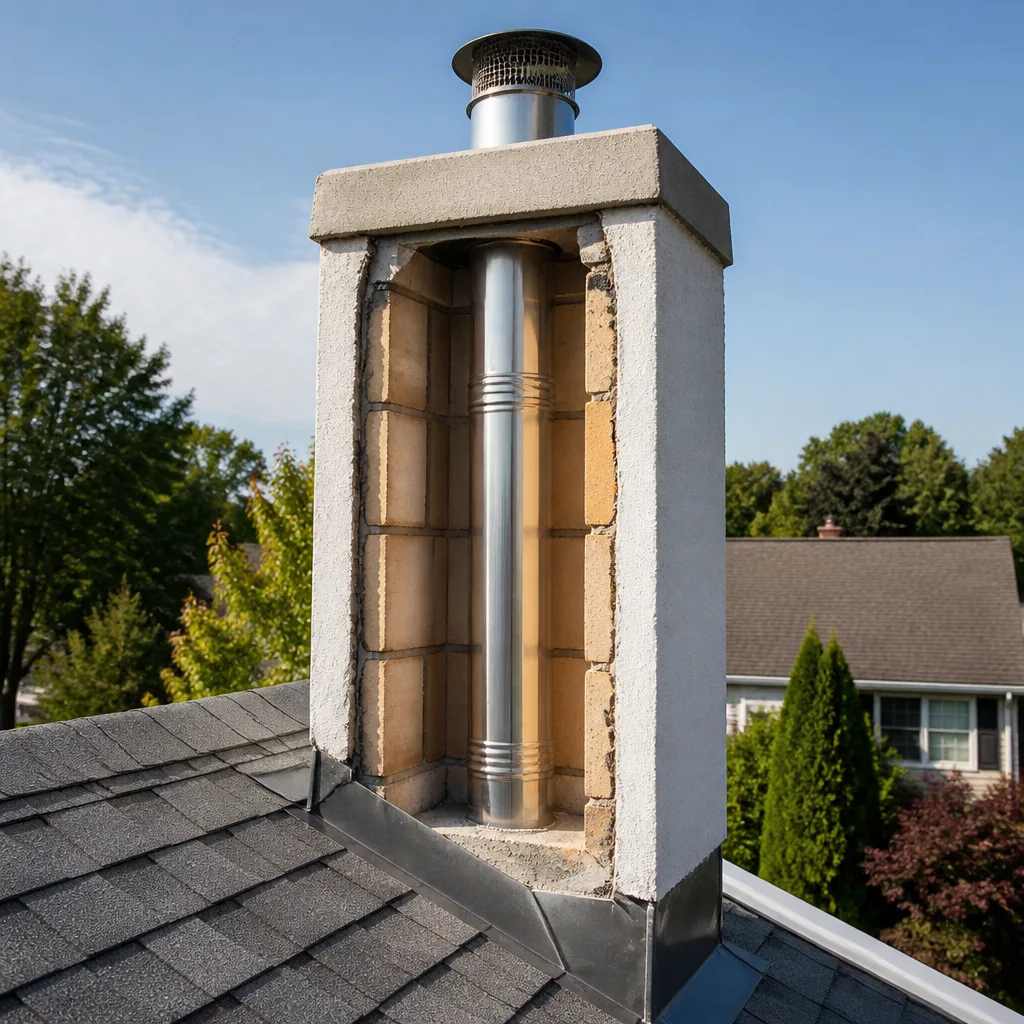 Flue relining
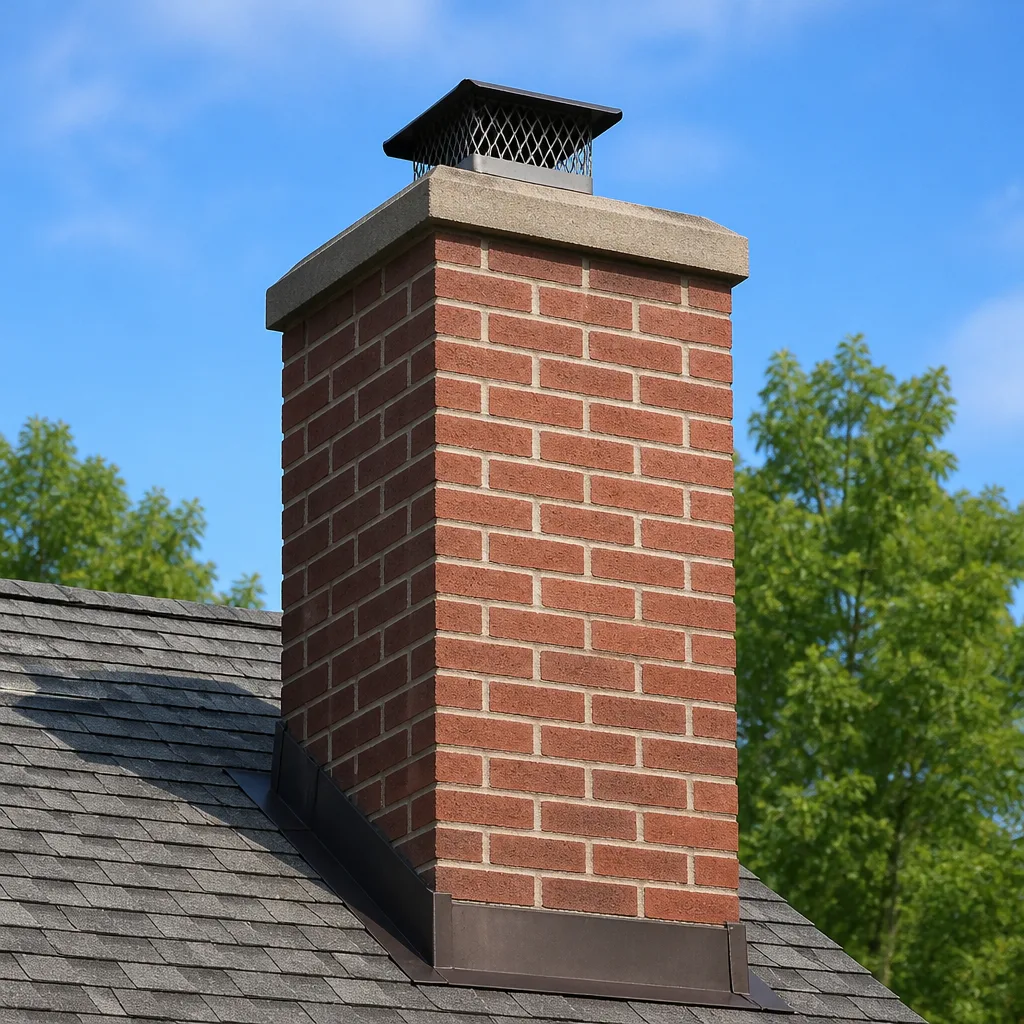 Masonry repair
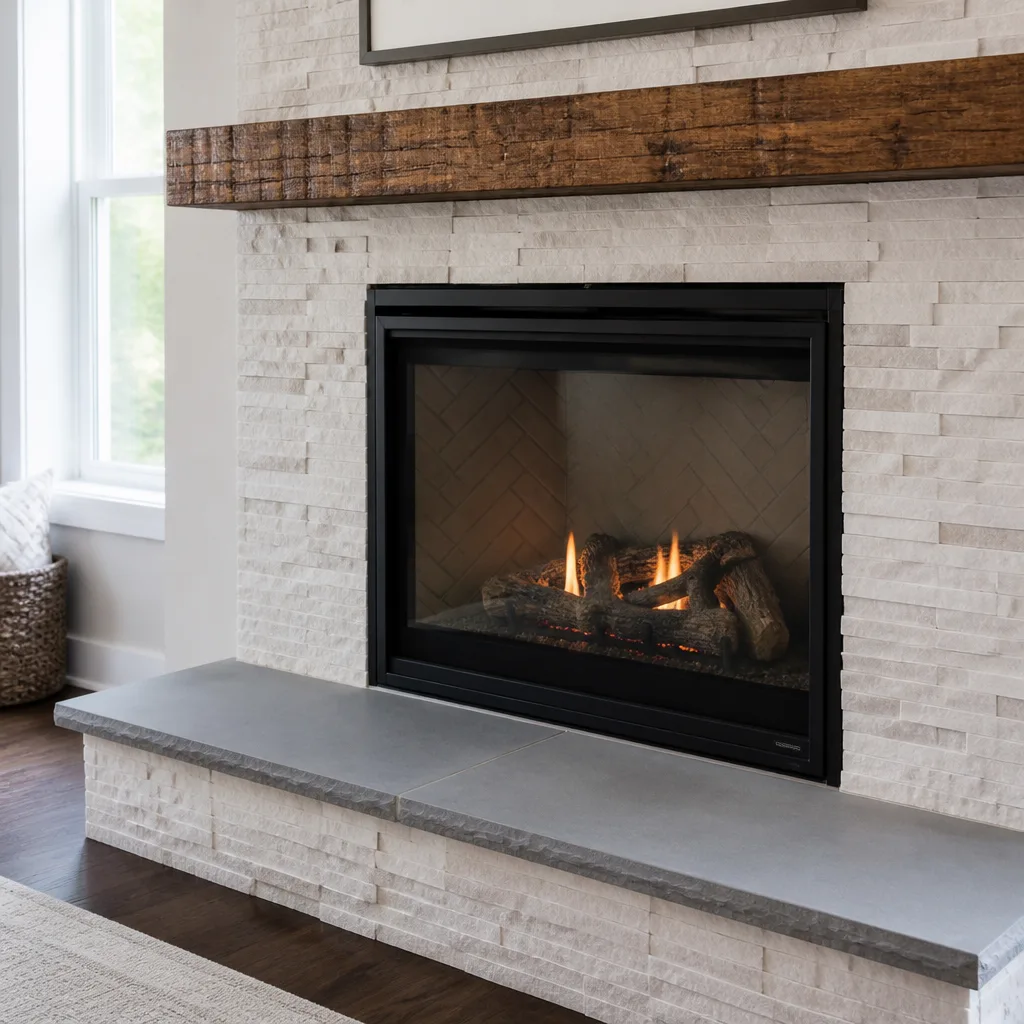 Gas fireplace service
Level 1 sweep and inspection to the NFPA 211 annual standard - flue, crown, cap, and flashing checked and photographed
Chimney sweep logs do not sweep chimneys. They loosen some creosote - which then falls where a brush and vacuum still have to collect it.
Chimney Sweep Troubleshooting in Highbridge: Common Problems and How to Fix Them
The same backdraft that sends smoke curling into your living room could come from three completely different causes, and each one has its own fix. Guess wrong and you spend money on the wrong repair. Most of the chimney problems Highbridge homeowners worry about – smoke rollback, slow drafts, mystery odors, rattling noises – trace back to something specific and mechanical: a flue that’s sized or blocked wrong, a damper that won’t seat, creosote at a particular stage, or an animal that found its way in. This guide teaches you to read those symptoms the way a sweep does, so when you call, you already know what you’re describing.
Quick Answer
Most chimney problems in Highbridge come down to one of four mechanical causes: restricted airflow (creosote buildup, blockage or a closed damper), a flue that’s the wrong size for the appliance, a failed damper or cap, or outside air pressure from cold-weather temperature inversions. Match the symptom to the cause first, then decide whether it’s a monitor-and-wait issue or a same-week service call. Anything involving a chimney fire, carbon monoxide, or a cracked flue liner needs a professional out promptly.
Styles & brands we work with
- Sweep & inspection
- Caps & crowns
- Flue relining
- Masonry repair
- Gas fireplace service
Table of Contents
- How to Read Your Chimney’s Symptoms Like a Sweep
- Smoke Rollback: The Three Things It Usually Means
- Cold-Weather Temperature Inversions vs. a Structural Flue Problem
- Mystery Odors: What They’re Telling You and When They Matter
- Slow Drafts and What Causes Them
- Noises in the Chimney: Animals, Loose Parts and Creosote
- Why First-Fire Smoke Is Almost Never a Chimney Defect
- When a DIY Check Gives You Real Answers (and When It Doesn’t)
- Problems You Can Monitor vs. Problems That Need Same-Week Service
How to Read Your Chimney’s Symptoms Like a Sweep
A sweep walking into a Highbridge home doesn’t start by guessing. We start by asking what you’ve seen and felt: when the smoke backs up, what color the deposits are, whether the draft is weak on every fire or only on cold nights, whether there’s a smell even when the fireplace is cold. Those four answers narrow the diagnosis down to a handful of mechanical causes before anyone climbs on a roof.
Here’s the mental framework we use. Every chimney symptom maps to one of four root causes:
- Airflow restriction. Creosote buildup, a bird nest, a stuck damper or a collapsed flue tile narrows the path the smoke needs to travel. Symptoms: weak draft, smoke spill from the firebox, soot at the top of the firebox opening.
- Flue sizing mismatch. A flue that’s too large for the appliance cools the exhaust before it exits, and cooled smoke loses its upward push. Symptoms: consistent draft problems that started after a new insert or stove went in.
- Damper or cap failure. A damper that won’t open fully, a warped cap, or a cap screen clogged with creosote restricts exhaust or lets rain and animals in. Symptoms: hard-to-open damper, water in the firebox, evidence of nesting.
- Pressure and temperature effects. Cold air sinking down the flue, temperature inversions, or a house that’s tighter than the chimney expects. Symptoms: smoke that rolls out only on certain days, usually cold mornings.
The order matters. A homeowner who assumes “we need a new chimney” usually has a restriction or sizing problem, not a structural failure. Checking the cheap causes first saves real money. It’s also why we treat chimney sweep as a diagnostic tool, not just a cleaning – the sweep tells us what stage the creosote is in, whether the flue is clear top to bottom, and whether the cap is doing its job.
Most of what we look at, you can look at too. A flashlight down the cleanout, a damper that moves freely, a chimney cap that’s still screened and seated – those are your first three data points, and they’re the same first three we check.
Smoke Rollback: The Three Things It Usually Means
Smoke rolling back into the room is the most common complaint we hear in Highbridge, and it’s also the most often misunderstood. The single most important rule: rollback is almost never a sign the chimney is falling apart. It’s a sign the exhaust isn’t drafting properly at that moment, and that leaves three usual suspects.
1. The flue is partially blocked
A creosote layer thick enough to narrow the flue changes the airflow enough to cause rollback. Soot and creosote at the top of the firebox, a visibly reduced opening, or a fire that smolders instead of drafting all point here. A sweep clears it, and we can tell you from the deposit what stage of buildup you were at and how long you effectively had before it became a fire risk.
2. The damper isn’t fully open
A damper that only opens partway is easy to miss from the couch. Warm air rising past a partially closed damper can spill into the room the moment you light a fire. The test is simple: pull the damper lever through its full travel and check that it holds open. If it slips closed or feels stuck, that’s your problem – and it’s a fixable one without a full rebuild.
3. Negative pressure in the house
A tight, well-sealed house pulls air in from the easiest opening it can find. If a bathroom fan, kitchen exhaust hood or dryer is running, the chimney can become that opening, and smoke comes with it. This is why rollback often shows up in the winter when the house is sealed up. If it happens only when an exhaust fan is on, you have your answer.
That’s it. Three causes, three different fixes. If your rollback has a fourth cause – a cracked flue tile leaking into a neighboring flue, for example – that’s a structural finding, and it turns up in a camera inspection of the flue. If you want the full assessment before making a decision, a standalone inspection tells you what’s actually there. You can read about chimney repair once you know what needs repairing.
Cold-Weather Temperature Inversions vs. a Structural Flue Problem
Highbridge gets real winter, and real winter produces cold-morning draft problems that look nothing like a structural defect but feel like one. The key to telling them apart is timing, not fear.
A temperature inversion happens when cold dense air settles in and warmer air sits above it. The chimney is designed to push warm, buoyant exhaust up and out. When the air above the chimney is warmer than the air at ground level, that upward push weakens, and the fire struggles. You’ll notice it most on still, very cold mornings, especially before the sun has warmed the air. By mid-morning, the draft usually recovers on its own.
If that’s your pattern – weak draft on first cold fires only – it’s a weather effect, not a structural problem. But there’s an important corollary nobody tells homeowners: a chimney that’s in good condition handles inversions gracefully. A chimney with a borderline restriction can tip from “a little weak” to “smoke in the room” when the inversion makes the draft marginal. In other words, the inversion exposes the problem that’s already there. It doesn’t create a new one.
Three things distinguish a weather-driven draft problem from a structural flue problem:
- Timing. Weather-driven draft issues resolve as the day warms. Structural ones persist all day, every day, or show up regardless of weather.
- Consistency. A draft that’s been slow for weeks is not weather. A draft that started this month during a cold snap probably is.
- Smell and color. Weather-driven weak draft usually burns clean, just slowly. Structural problems often produce a stronger, sharper smell, more visible smoke, and deposits that build fast.
If you’re new to the house or you’re buying in Highbridge, a standalone chimney inspection is the cheapest way to know which category you’re in. We can tell you the difference in a 15-minute evaluation, and you walk away with a real answer.
Mystery Odors: What They’re Telling You and When They Matter
Odors are the second most common symptom, and they split into two groups: creosote smell and water smell. Each points to a specific mechanical issue and each responds to a different fix.
The creosote smell
That sharp, smoky odor that shows up on humid days, when the fire is cold, or in the shoulder season when you’re not burning, is creosote off-gassing. It’s not a sign of a chimney fire, but it is a sign that creosote has built up to the point where the off-gassing carries through the house. The fix is a sweep, and the sweep tells you how far along the buildup is. If the smell is strong enough that it reaches the second floor of a Highbridge home on a damp day, the creosote is thick enough that we’d want to see it before the next burning season, not after.
The damp or musty smell
A damp smell usually means water is getting into the chimney. Rain into the flue, a missing or damaged chimney cap, a failed crown at the top, or a chimney that’s wicking moisture into the masonry. The smell is the least of it – water in the flue also drives spalling and rusted dampers. Here a proper chimney cap & crown job is often the thing that stops it, in addition to stopping animals. We stock and install Gelco and Famco caps because they’re purpose-built, not hardware-store substitutes, and a proper cap does more for moisture and animals than a generic screen.
The smell that isn’t from the fireplace at all
One caution: if the smell is closer to rotten eggs or exhaust than to smoke, that’s not a chimney smell. That’s a fuel or combustion-gas issue, which is a call-your-gas-company situation and not a chimney sweep problem. Be specific when you call about a smell – it changes what we need to check.
Slow Drafts and What Causes Them
A slow draft is different from rollback. Rollback pushes smoke into the room; a slow draft means the fire is lazy, smolders, or takes forever to catch. It’s often the first symptom of a restriction, and it’s also the easiest to misread as “this fireplace just doesn’t work well.”
Here’s what we check, in order:
- Is the flue clear? Creosote, a nest, or a collapsed flue liner section will all slow the draft. A camera check settles it.
- Is the flue sized for the appliance? An insert or stove added after the fact often doesn’t match the flue. Too large a flue cools exhaust; too small a flue restricts it. This is the most underdiagnosed cause in Highbridge.
- Is the cap clogged? Caps can become screens clogged with creosote and soot over a season. A clear, correctly sized cap keeps the flue flowing.
- Is the house starving the chimney? A tight, well-sealed home can pull more air out than the chimney gets back in. Crack a window near the fire and see if the draft improves – if it does, the house is the problem, not the chimney.
- Is the damper and flue collar clear? A warped or blocked damper can choke a fire before the flue even sees the smoke.
Notice how many of those checks happen without a truck. If you work through this list, you can usually tell whether you have a blockage, a sizing mismatch, a cap problem, or a house-pressure problem – and those need four different responses. When we do run a chimney sweep in Highbridge, the flue photo report we give you shows exactly which of those five issues you have, so you’re not guessing at next steps.
Noises in the Chimney: Animals, Loose Parts and Creosote
Scratching, flapping, rattling or a low roaring noise – each one means something different. Get the right category and the right response follows.
- Scratching and chirping. Almost always an animal: squirrels, birds or raccoons in the flue or on the cap. A working cap with a proper screen is the standard answer, and Famco caps are what we’d install for this. Do not try to burn the animal out – that’s both dangerous and cruel, and it doesn’t solve the cap problem that let them in.
- Flapping and clattering. Loose cap parts, a warped or displaced cap, or a flue tile that’s come loose. This can usually wait a few days but should be looked at before the next weather event.
- A low roar during a fire. Not a symptom of anything you need to worry about – that’s just the fire drawing through the flue. As long as it’s accompanied by steady draft and no smoke in the room, it’s normal.
- A roaring, crackling sound with a strong smell and visible smoke. That’s a chimney fire. Get everyone out, call the fire department, and then call us. A chimney fire requires inspection before the next fire, even if the fire seemed to go out on its own.
The animal category deserves a specific note for Highbridge: this is not just a nuisance. Nesting material, insulation, and bird debris all narrow the flue and become a fire hazard once you light a fire. If you hear it in the spring or early summer, it’s worth handling then rather than in the fall when you first want to burn.
Why First-Fire Smoke Is Almost Never a Chimney Defect
Nearly every homeowner we’ve talked to has had the same scare: the first fire of the season, the room fills with smoke, panic sets in. Here’s the truth that saves a lot of worry – the first fire of the season is almost never a defect. It’s physics.
Cold chimneys don’t draft. The flue has cooled to the outdoor temperature over the summer, and the air inside it is cold and dense. When you light a fire, you’re asking it to push cold air up against cold air, and until the flue warms up, there’s no buoyancy. The result is a small puff of smoke into the room, and it usually clears within minutes.
The common sequence that makes this worse:
- A house sealed up tight for the season, so the chimney can’t pull replacement air.
- An exhaust fan running in the kitchen or bathroom, pulling more air out.
- A cold flue that hasn’t warmed up yet.
- Damp or green firewood, which smolders and produces more smoke than it should.
What actually helps: warm the flue before you light (roll up a newspaper and light it near the damper, with the damper fully open), open a window a crack, turn off exhaust fans, and use dry wood. If the smoke clears once the flue is warm, you’re fine. If it doesn’t clear, or if it happens on every fire regardless of season, that points to a real draft restriction, and that’s a call. A standalone chimney inspection answers the question definitively.
When a DIY Check Gives You Real Answers (and When It Doesn’t)
Some checks are worth doing yourself. Some will mislead you. The line is whether the check gives you a clear yes/no on a specific cause.
Worth doing yourself
- Damper travel test. Open and close the damper fully, and see whether it holds open. Straightforward, no tools.
- Flashlight into the firebox. Look at the damper, the top of the firebox, and up into the flue as far as the light reaches. You’re looking for soot accumulation, nests, or obvious damage. Informative and safe.
- Visual smoke draw test. Light a small amount of newspaper and watch whether the smoke goes up and out or rolls out. Tells you whether draft exists. Safe if done carefully with the damper open.
- Cap check. The cap is also easy to check if you can see it safely. If the screen is clogged or the cap is loose, you have your answer. If you have to go up on a roof to check, don’t – that’s the point where a phone call is cheaper than a fall.
Worth calling a professional for
- Camera inspection. The only way to see the flue interior properly is a camera on a rod. Without one, you’re guessing at the condition of the flue liner – which is exactly where expensive problems hide.
- Creosote stage. You can see that there’s buildup; you can’t always see how thick or what stage it’s at. That determines whether burning again is a real fire risk.
- Cracked flue liner. The dangerous one. A hairline crack in a flue tile can let exhaust into the house, and there’s no way to spot it from the firebox. This is why we include a camera and photo report with every sweep.
If your own checks point you toward any of those three, don’t wait on it. Book an inspection. Our technicians have up to 8 years of experience with flue camera work, and the report we give you is the same one we use to decide whether there’s a real problem or simply a normal wear item.
Problems You Can Monitor vs. Problems That Need Same-Week Service
One of the most useful things a sweep can do is tell you when you don’t need us. Not everything urgent-sounding is urgent. And not everything minor-sounding is minor.
Monitor – these can wait a week or a season
- First-fire smoke that clears once the flue warms up.
- A flat or worn cap that’s still protecting the flue but should be replaced before next season.
- A mild creosote smell in the shoulder season before burning starts.
- Minor surface spalling that isn’t causing active leaks into the house.
- An animal that’s already gone and a cap that’s still in place (book the cap inspection at your next sweep).
Same-week service – these shouldn’t wait
- Smoke that won’t clear and persists on every fire.
- A strong, steady creosote smell with visible heavy buildup.
- Any evidence of a recent chimney fire (roar, crackle, smell, smoke from the chimney top).
- Visible water into the firebox, damp walls at the chimney, or rusted metal parts inside the flue.
- A crack or gap in the firebox, damper or visible flue throat.
- Any carbon monoxide alarm event that could relate to the chimney – that’s a call-911-then-call-us situation, not a “book for next month” situation.
The “monitor” list is not “ignore.” It’s “we’ll write it down and handle it in the right window.” The right window for a burning appliance is always before you need it, not after. Late summer is the ideal time for a Highbridge chimney evaluation if you haven’t had one this year.
Common Mistakes to Avoid
- Assuming rollback means a new chimney. In most cases it’s a restriction, a damper or house pressure, and none of those require structural work. Get a diagnosis before agreeing to a rebuild.
- Burning a fire to “test” the draft before a sweep. If the flue has heavy creosote, that fire is the fire that causes a chimney fire. Clean first, then test.
- Using a hardware-store cap on a professional flue. A generic screen looks like a cap but doesn’t fit the flue collar the way a purpose-built Gelco or Famco cap does. It’s a common source of the moisture and animal problems we see in Highbridge.
- Skipping the camera inspection because the sweep “looked fine.” The flue interior is exactly where the dangerous cracks are, and you can’t see it from the firebox. Ask for the photo report every time.
- Waiting for the fall rush. The same week everyone decides to light a fire is the same week everyone wants a sweep. Book in late summer and you’ll have answers before you need them.
- Panicking over first-fire smoke. A cold flue doesn’t draft. Warm the flue, open a window, use dry wood, and see if the smoke clears before assuming the chimney is failing.
- Hiring a generalist for chimney work. Chimney liners, cap and crown work and structural repairs need the right materials and the right methods. A handyman with a ladder isn’t a chimney specialist. Ask what brands and methods will be used.
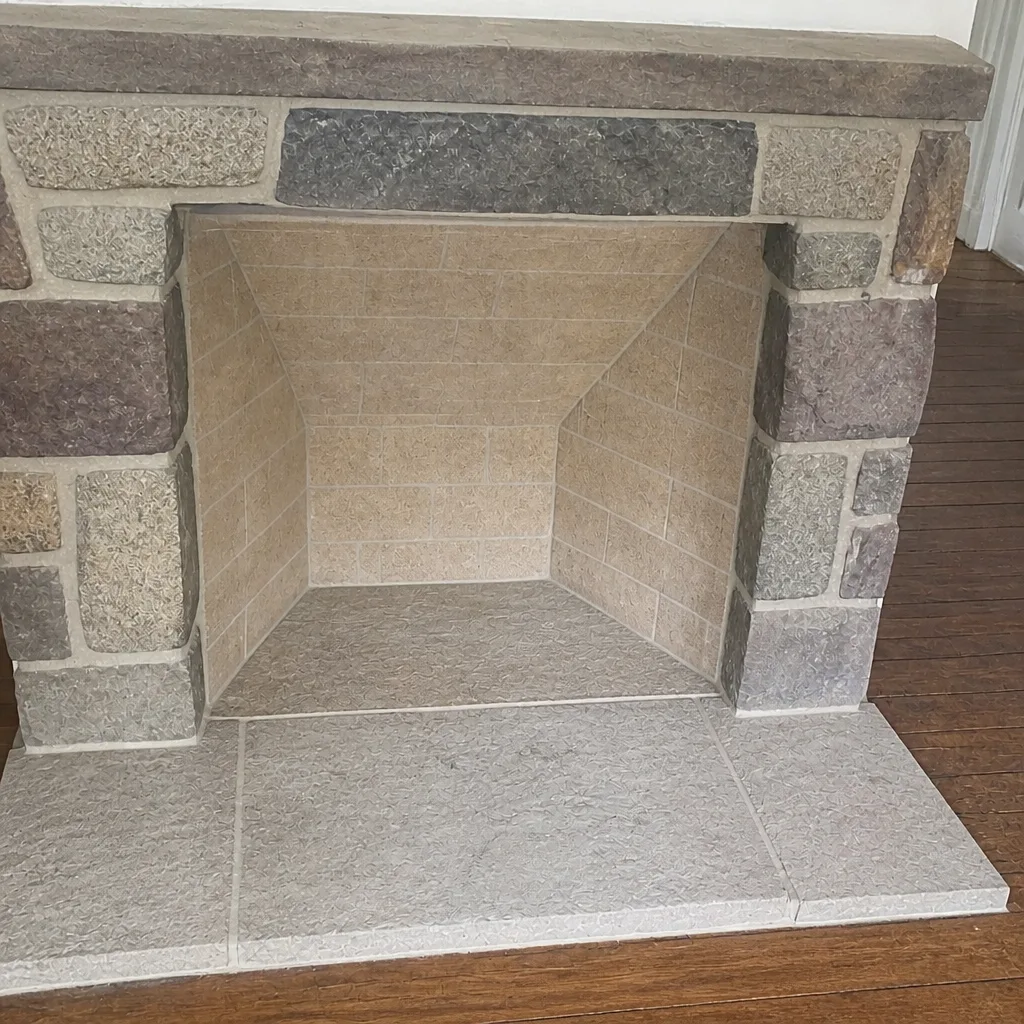
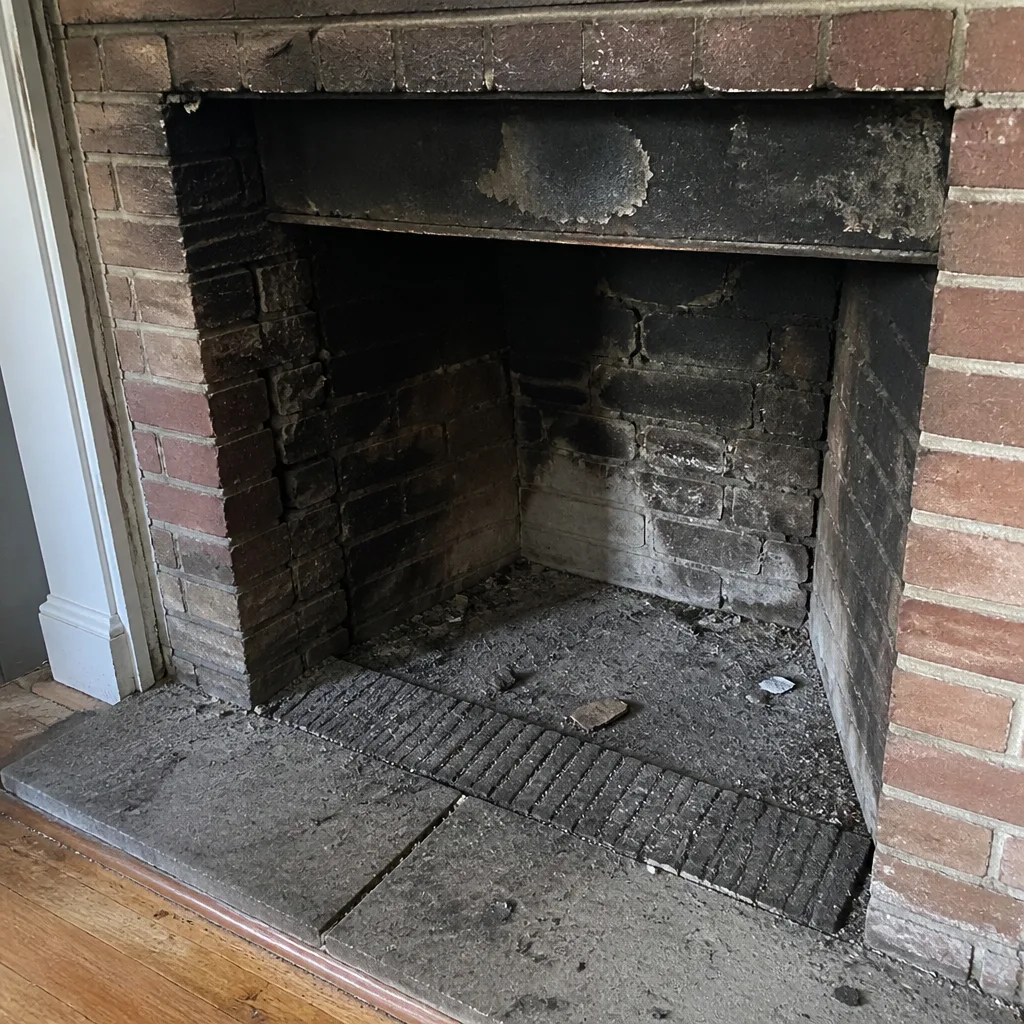
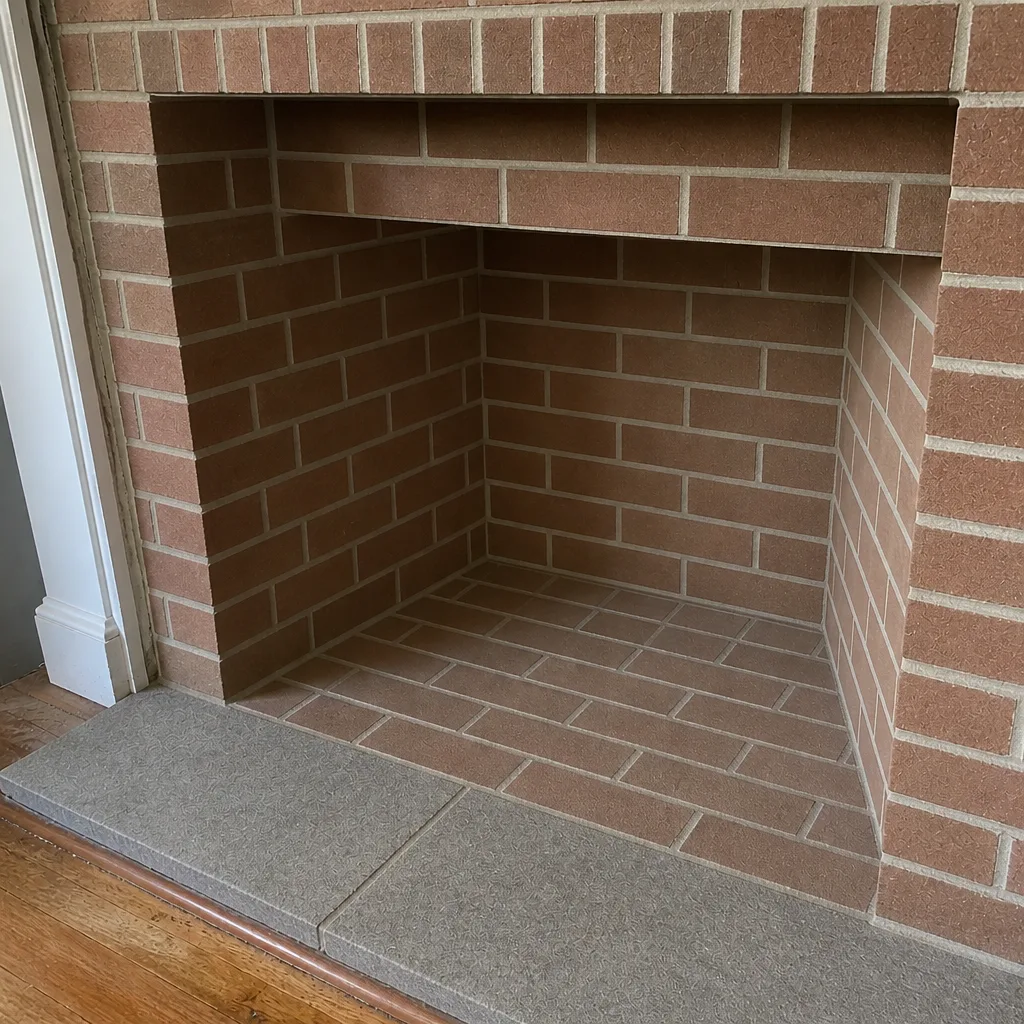
See the difference
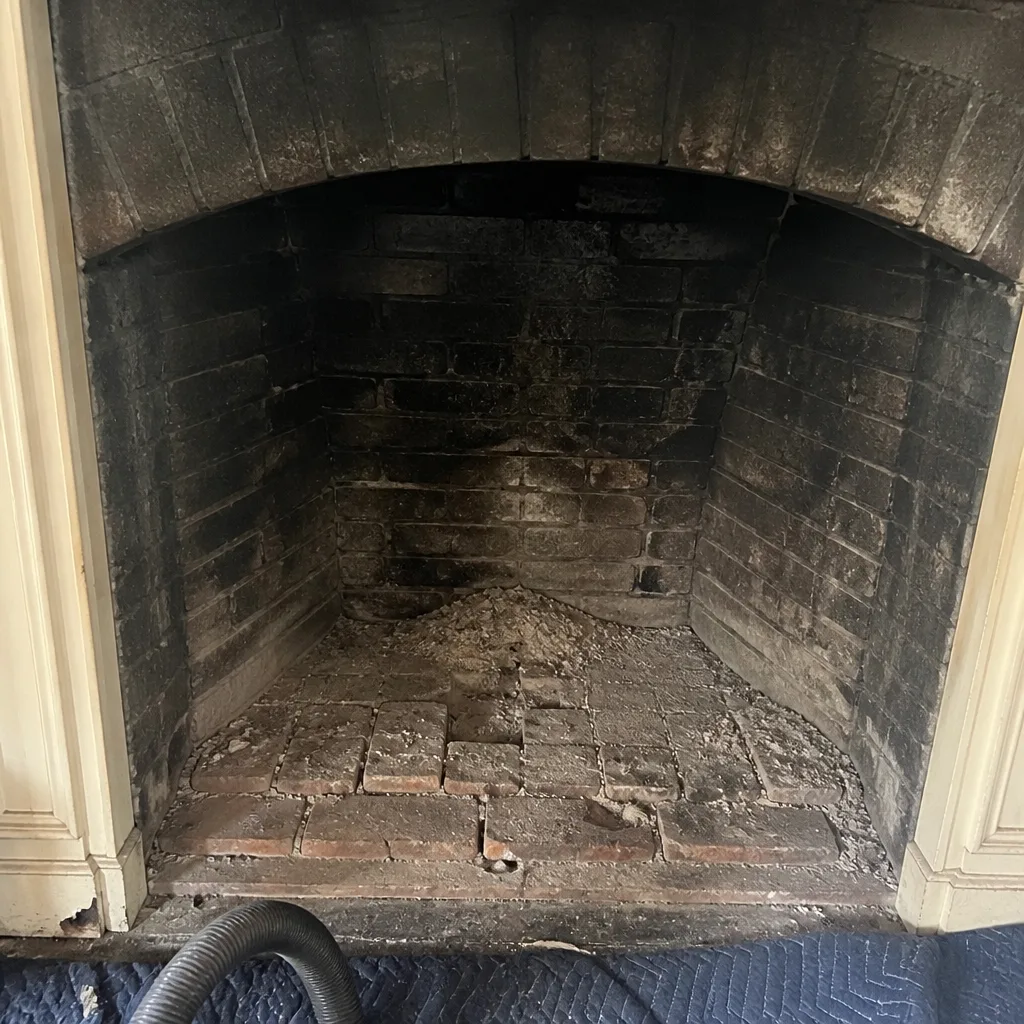 Before
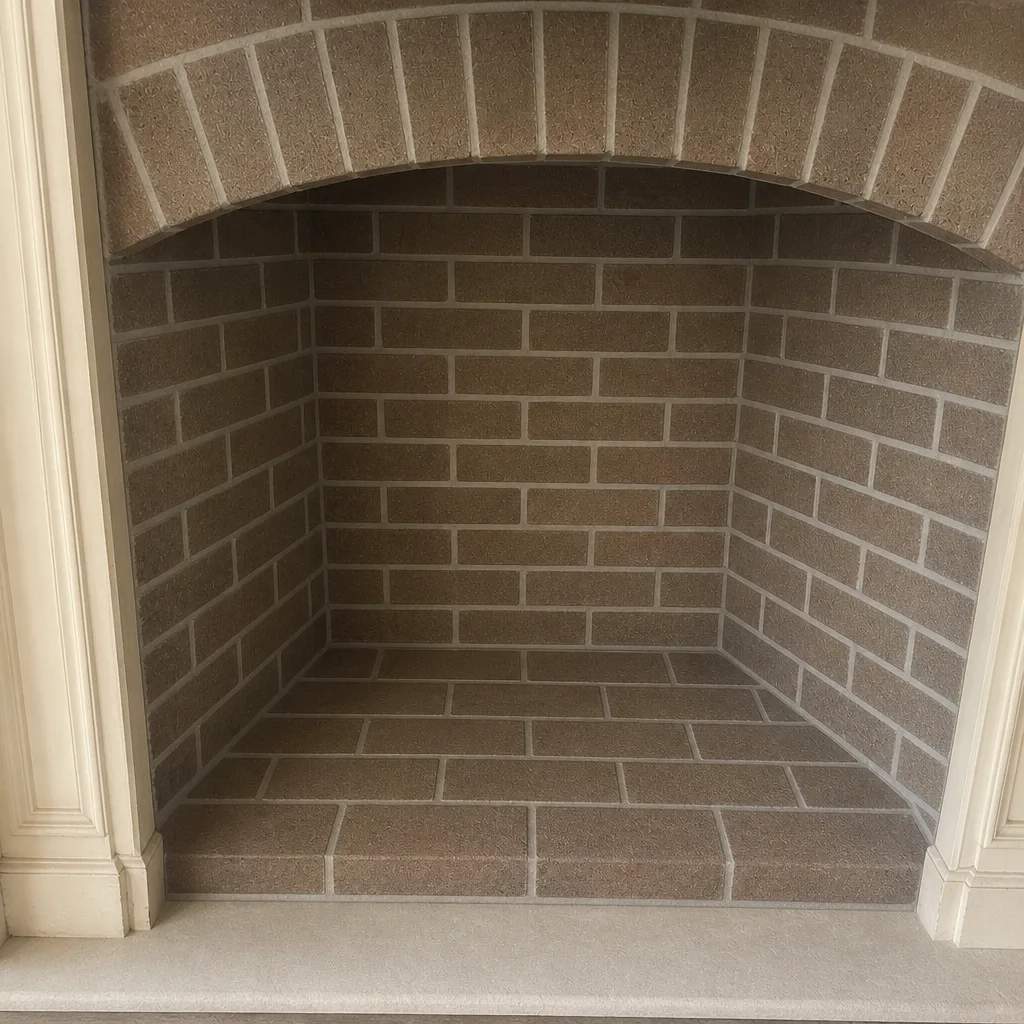 After
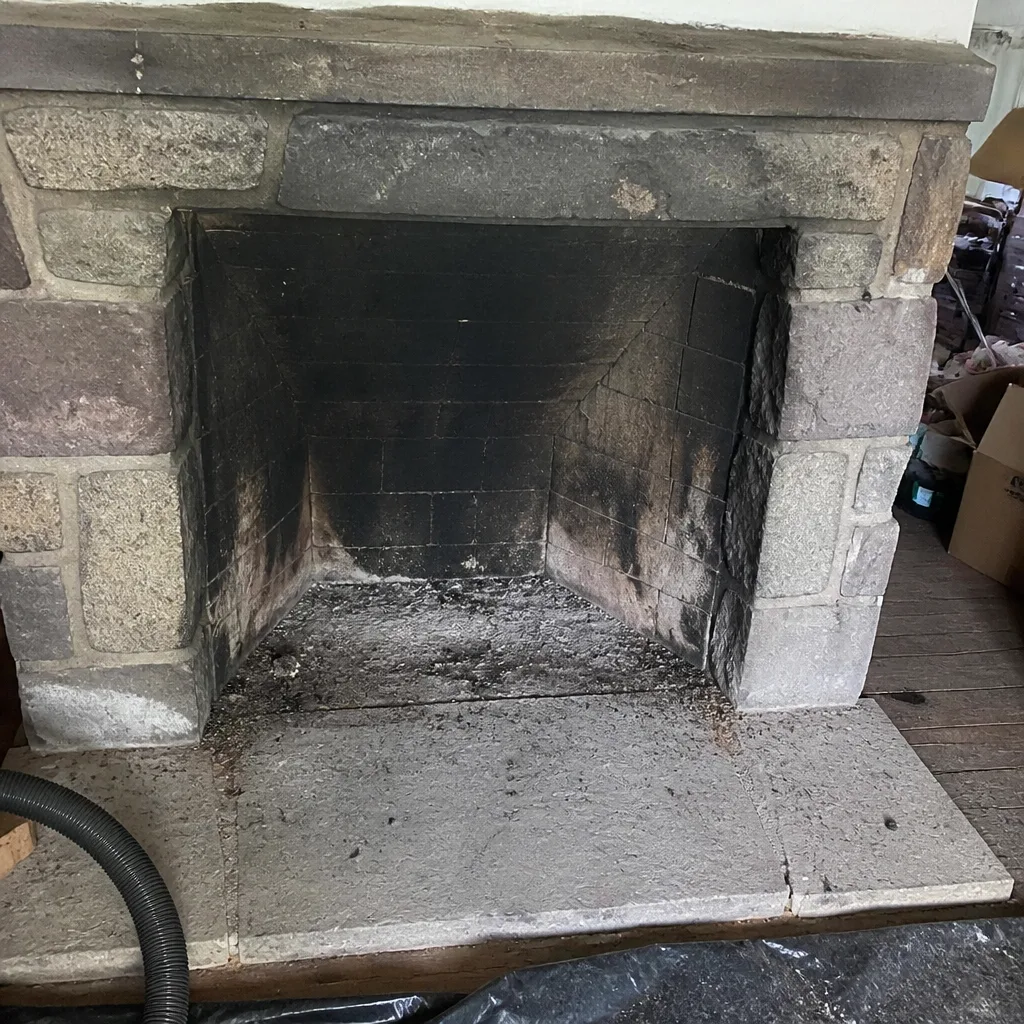 Before
 After
 Before
 After
When to Call a Professional
Call us if any of the following is true: your smoke doesn’t clear after the flue warms up, you’ve smelled creosote in the off-season, you see water in the firebox, you hear scratching or flapping, you’ve had a possible chimney fire, or you have a carbon monoxide event. Call us also if you’re buying a Highbridge home and want an objective condition report before closing – a standalone inspection is available whether or not you’re having a sweep. Our technicians have up to 8 years of experience with the full chimney system: flue liner restoration using HeatShield where it’s appropriate, DuraFlex liners where full replacement is needed, and Copperfield components where those are the right fit. We name the materials and explain why. Chimney Sweep Highbridge offers free estimates in Highbridge – call (833) 513-8797. We answer 24/7. Fast dispatch from 7am to 7pm, Sunday through Friday.
Frequently Asked Questions
A chimney sweep in Highbridge typically runs $150 to $300 for a standard cleaning with a camera inspection and photo report, and more if creosote buildup is heavy or a cap and crown job is added. The written estimate sets the final price, and we don’t recommend work that isn’t visible in the report. Call (833) 513-8797 for an exact quote – estimates are free.
You need a new liner only when the existing flue can’t be restored to a safe condition. The most common reason homeowners are told they need one is a cracked flue tile, and that’s a real finding, but it should be shown to you in the camera report. When the liner has some life left, HeatShield resurfacing can restore it in many cases without full replacement – a middle option competitors often don’t mention. If your sweep can’t show you the damage on camera, ask why. Call (833) 513-8797 to book an inspection with a photo report.
Once a year if you burn regularly, and more often if you burn green or soft wood. The annual sweep is also your once-a-year chance to catch a small issue before it becomes a structural repair. If you only burn a handful of fires a year, annual is still the standard because inspections catch what you can’t see. Call (833) 513-8797 for a free estimate on a sweep.
Skipping a sweep doesn’t cause instant problems, but over a few seasons it drives creosote deeper into the flue, and eventually that’s the layer that becomes a chimney fire risk. The risk builds slowly, which is exactly why it’s easy to skip. The other risk is water and animals getting in through a failed cap – slower, but the repair is more expensive. Call (833) 513-8797 for a free estimate before next burning season.
Almost always because the flue is cold and hasn’t built up enough warm air to draft. Warm the flue with a rolled newspaper, crack a window, and make sure no exhaust fans are running. If smoke still clears within a few minutes, you don’t have a chimney defect. If it doesn’t clear, or if it happens on every fire year-round, that’s a restriction and it needs a sweep. Call (833) 513-8797 if you’re not sure which category you’re in – estimates are free.
A chimney that’s venting improperly can let combustion gases, including carbon monoxide, back into the house. If your CO alarm sounds, get everyone outside and call 911 first – do not start diagnosing your chimney before that. Once you’re safe, call us and we’ll inspect the full system before you use the fireplace again. Call (833) 513-8797 for the inspection after the emergency is handled.
The Bottom Line
Most chimney problems in Highbridge have a specific mechanical cause you can identify before you call: a restriction, a flue sizing mismatch, a damper or cap failure, or a pressure effect from cold weather or a tight house. The first-fire smoke, the mystery odor, the lazy draft – each one sits in one of those categories, and each has a different fix. Camera-verified evidence is what separates a real diagnosis from a guess, which is why we include a photo report with every sweep. If your symptom doesn’t fit a monitor-and-wait case, call us. Chimney Sweep Highbridge is here with free estimates at (833) 513-8797. We answer 24/7. Fast dispatch from 7am to 7pm, Sunday through Friday.
Written by the team at Chimney Sweep Highbridge.