
Last updated November 25, 2026
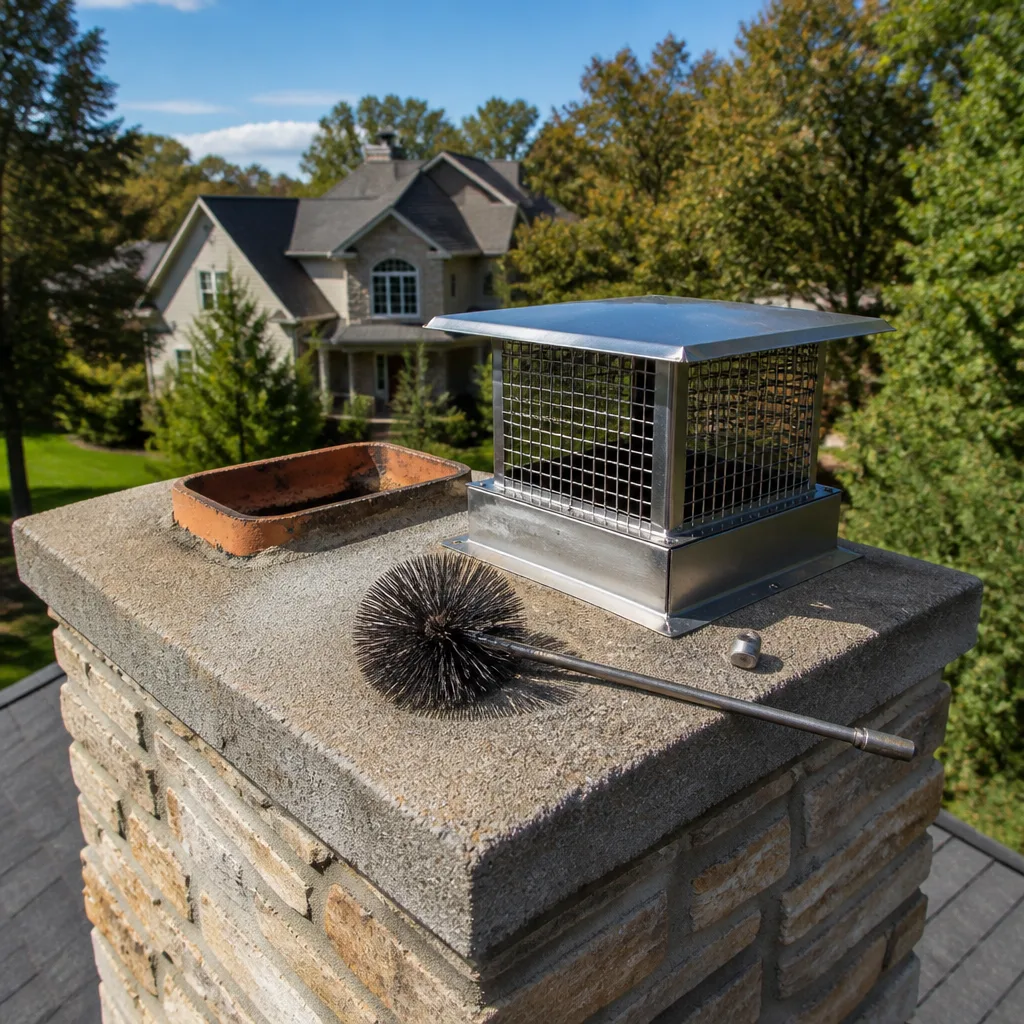 Sweep & inspection
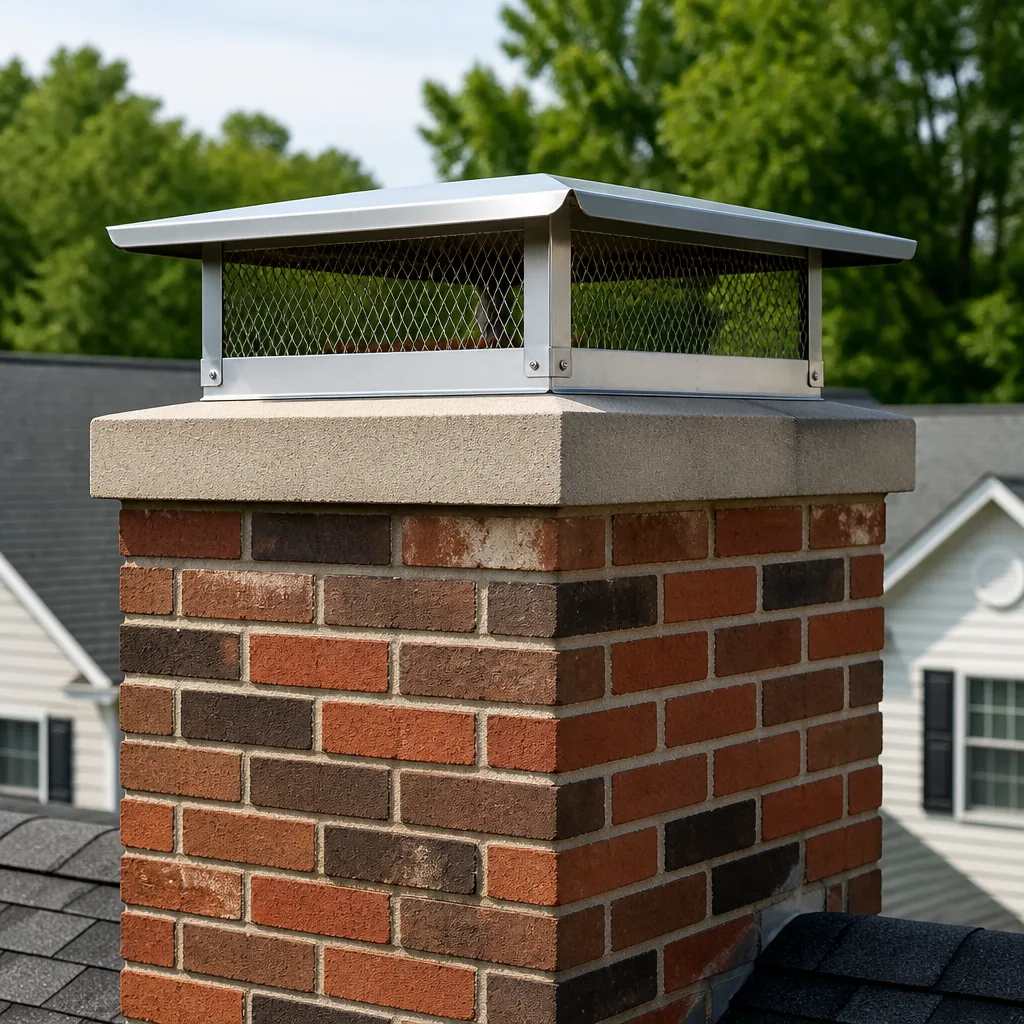 Caps & crowns
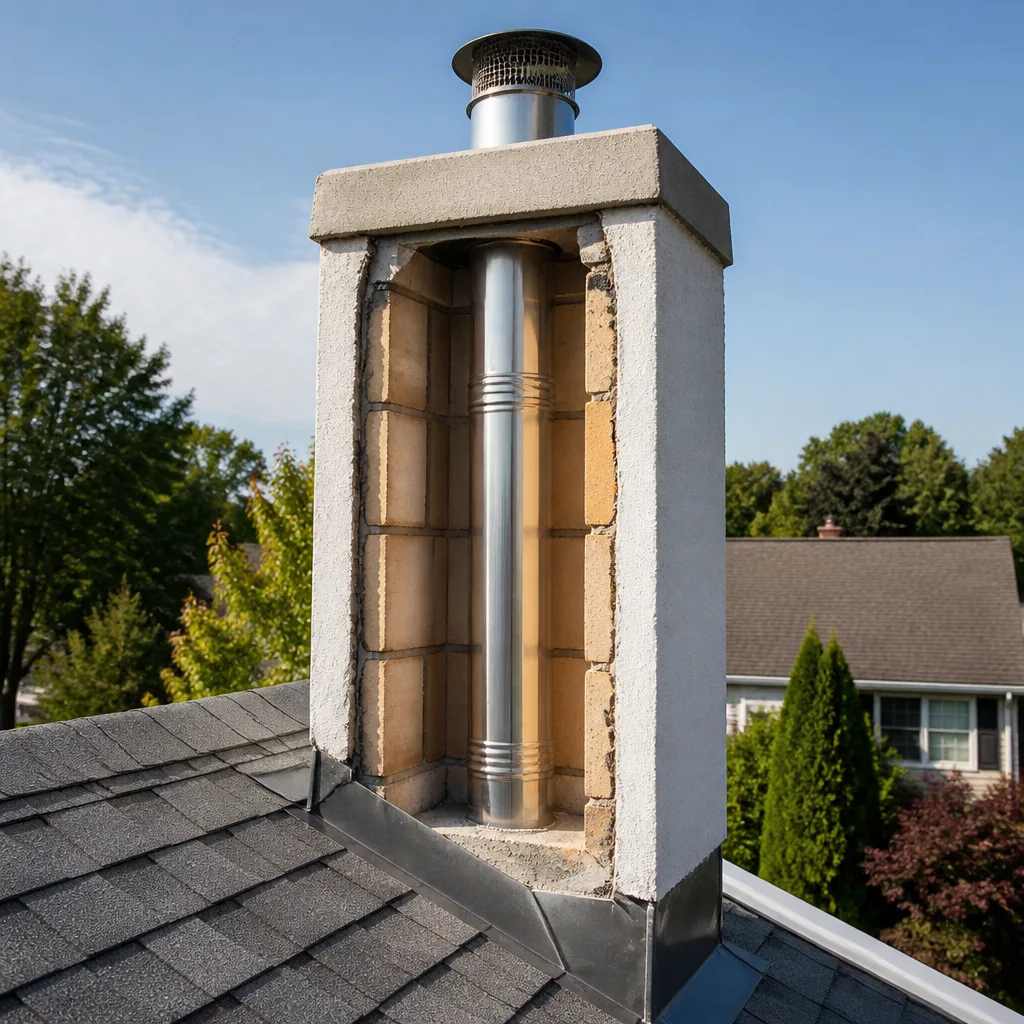 Flue relining
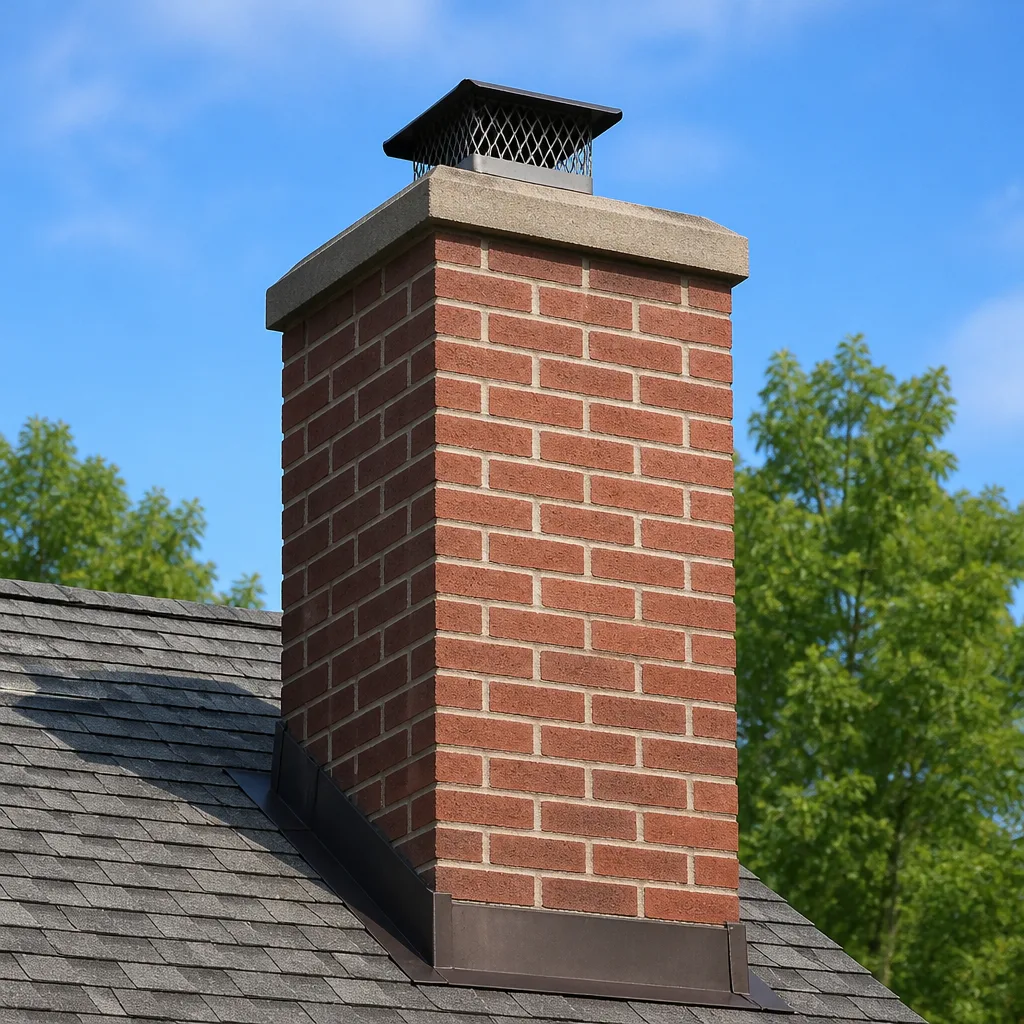 Masonry repair
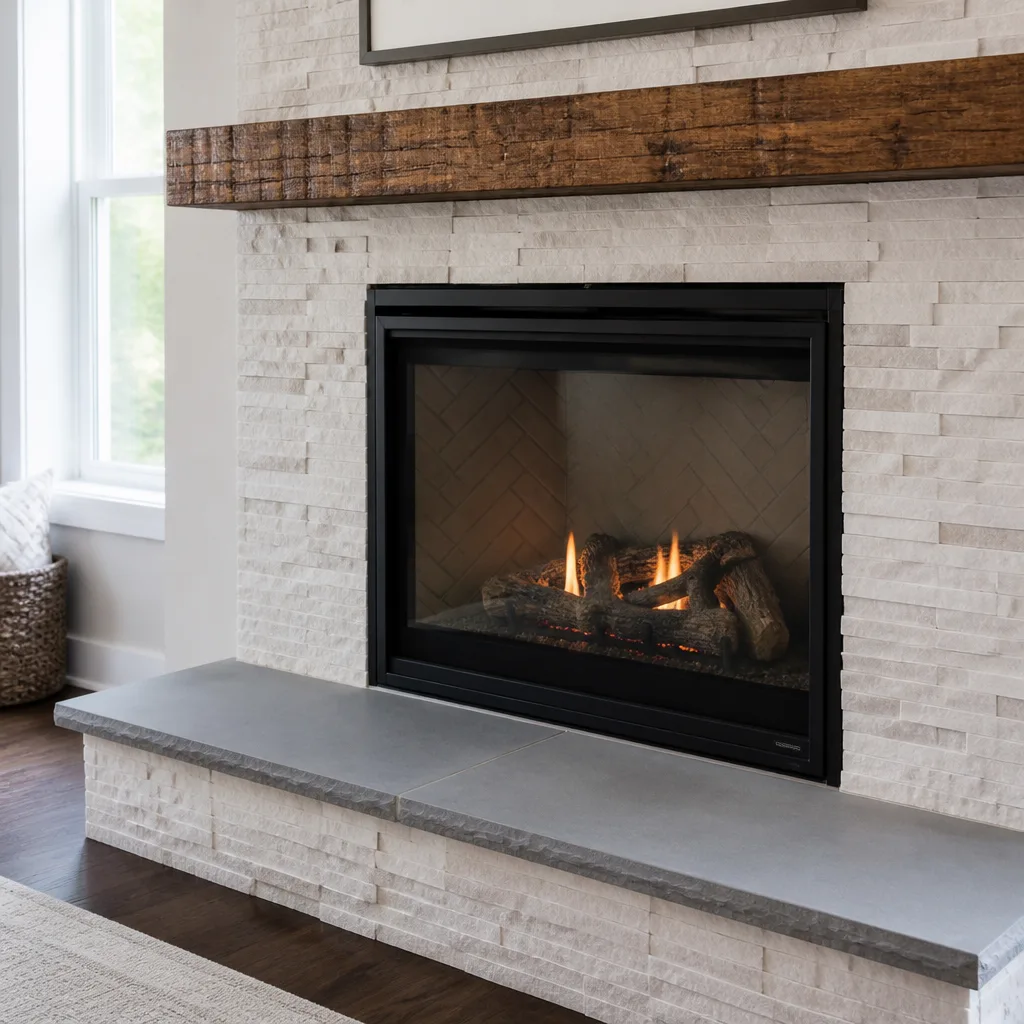 Gas fireplace service
Level 1 sweep and inspection to the NFPA 211 annual standard - flue, crown, cap, and flashing checked and photographed
Chimney sweep logs do not sweep chimneys. They loosen some creosote - which then falls where a brush and vacuum still have to collect it.
Chimney Sweep Maintenance Checklist for Highbridge Homeowners
The most commonly skipped item on any chimney maintenance checklist is the smoke chamber. It sits directly above the damper, out of sight from the firebox floor, and it holds creosote faster than the firebox walls because the angled surfaces slow the smoke and let deposits settle. Homeowners see a clean-looking box, assume the whole flue is fine, and go another year without looking up into the one cavity that matters most. This guide is built differently from a seasonal reminder list. It splits the work by who actually does it: the checks a homeowner can make from inside the firebox without tools, and the items a sweep should tick off during a proper Highbridge appointment. Each item gets a pass or fail so you’re not guessing what “mostly clean” means.
Quick Answer
A working chimney in Highbridge needs two kinds of maintenance: monthly visual checks you do yourself (firebox, damper, cap visibility, and exterior condition), and one annual professional sweep and inspection that covers the flue, smoke chamber, smoke shelf, cap, crown, and flashing. Clear the checklist base once a year before heating season, and the smaller homeowner checks keep you aware of changes between visits. Chimney Sweep Highbridge does the annual sweep and inspection as a standalone visit, so you get an objective condition report with no work bundled in unless the camera footage shows it’s needed.
Styles & brands we work with
- Sweep & inspection
- Caps & crowns
- Flue relining
- Masonry repair
- Gas fireplace service
Table of Contents
- Why a Checklist Built for Highbridge Housing Beats a Generic Seasonal Reminder
- The Homeowner Checklist: No-Tool Checks From Inside the Firebox
- What a Sweep Should Cover During Your Annual Highbridge Appointment
- Cap, Crown, and Flashing: The Freeze-Thaw Cycle and What Deferred Work Costs
- How to Log Maintenance History for Insurance and Resale
- The Pass/Fail Format: Interpreting What You See
- How Often to Schedule Each Task
- Common Mistakes to Avoid
Why a Checklist Built for Highbridge Housing Beats a Generic Seasonal Reminder
Most chimney checklists circulate nationally with no connection to the house they’re applied to. Highbridge homes sit in a climate with a real freeze-thaw cycle: masonry soaks up moisture during wet stretches, then that moisture expands when temps drop below freezing and contracts when they rise. Over a handful of seasons, that cycle opens hairline gaps in mortar and widens existing cracks in the crown. A chimney that would coast for years in a mild climate can develop flashing gaps and spalling brick in half the time here. So the tasks that matter in Highbridge aren’t the same as the tasks that matter in a place where the ground rarely freezes.
Housing stock matters too. Many Highbridge homes have older masonry chimneys – some with original clay tile liners that have cracked, some with crowns poured decades ago that now hold water. Newer construction sometimes pairs a masonry chase with a factory-built insert, which has different maintenance needs and different cap requirements. A checklist that assumes one construction type will either undercheck the older masonry or waste your time on a modern insert that needs less exterior attention.
What this guide does is take the specific failure points we see in Highbridge housing and turn them into a task list divided by who does the work. You handle the between-visit checks. A specialist handles the annual sweep, the flue inspection, and the structural review. Neither replaces the other, and the pass/fail format below means you know exactly what you saw and what it means.
The Homeowner Checklist: No-Tool Checks From Inside the Firebox
You can run most of these checks without a single tool, crouching at the firebox with a flashlight. Do them with the fire fully out and the chimney cold – never while there’s any warmth in the firebox or any embers in the ash.
- Firebox walls. Look for open mortar joints, cracked firebrick, or white powdery staining on the brick face. Pass: uniform joints, no loose brick. Fail: any crack you can slide a fingernail into, or brick that moves when pressed.
- Damper operation. Open and close the damper fully. It should move without grinding or sticking and should seat flat when closed. Pass: smooth travel, tight seal. Fail: a damper that won’t close flush or feels like it’s binding against debris.
- Ash pit and grate. Look for a buildup of ash that has bridged above the grate level. Pass: ash below the grate, no debris wedged in the firebox corners. Fail: ash piled high or a grate with warped bars.
- Smoke shelf clearance (visible portion). Shine the flashlight up past the damper toward the smoke shelf. You should see a clear ledge with no visible debris pile. Pass: visible surface looks clear. Fail: anything sitting on the shelf, which means the smoke chamber above likely has much more.
- Creosote on the flue walls. Look up the flue as far as the light reaches. Pass: walls look like plain masonry or tile. Fail: any shiny, tar-like, or flaky black coating, which is a sign of heavier creosote that needs a professional sweep.
- Glass door condition. For a fireplace with doors, check that the gasket isn’t torn and the glass has no crack. Pass: intact gasket, clear glass. Fail: a gasket that peels away from the frame.
- Visible cap and exterior from the ground. Step outside and look up. Pass: the cap is straight and covers the flue opening. Fail: a tilted cap, missing spark screen, or visible rust-through.
Anything that fails item 2, 3, or 5 is a cue to book a chimney sweep rather than wait for the annual visit. Nothing in a firebox check is worth fixing yourself – the creosote above the damper is where real risk lives, and getting that right takes the right tools and a trained eye.
What a Sweep Should Cover During Your Annual Highbridge Appointment
A proper annual appointment in Highbridge is more than a brush down the flue. The work should follow a defined sequence so nothing gets missed, and the technician should tell you before the visit what’s covered. Here’s what a full-service sweep should tick off, in order.
- Lay down drop cloths and protect the firebox opening before any tools come out.
- Sweep the firebox and smoke chamber. The smoke chamber needs a mirror and light or a camera to reach the angled surfaces – a brush alone won’t confirm it’s clean.
- Sweep the flue from the top down with the correct brush for the liner material (poly for clay tile or factory-built, wire only where the lining allows it).
- Camera-inspect the flue from the top and bottom to catch cracks, gaps in tile joints, and heavy creosote the brush couldn’t clear. Where used, HeatShield resurfacing can restore a cracked liner without a full reliner swap – but only where the camera shows it’s appropriate.
- Check the smoke shelf clearance and vacuum the shelf and smoke chamber after sweeping.
- Inspect the damper and confirm it seats correctly after cleaning.
- Inspect the cap. Rust-through, missing screens, and loose fittings top the list. Where the cap needs replacing, Gelco and Olympia Chimney caps are purpose-built for a snug fit rather than a universal hardware-store piece.
- Inspect the crown. Look for cracks, spalling, and separation from the flue tile. Crown repairs are where the freeze-thaw cycle does the most damage.
- Inspect the flashing where the chimney meets the roof. Any gap here is a water entry point that will find its way into the attic or down the flue over time.
- Inspect exterior masonry for spalling brick, missing mortar joints, and efflorescence (the white staining that signals moisture moving through the masonry).
- Provide a written condition report with the camera footage, so you can see exactly what was found.
Our technicians have up to 8 years of experience on this full sequence, and we use materials from professional lines including DuraFlex, HeatShield, Gelco, Olympia Chimney, Famco, and Copperfield so the right product goes to the specific problem. Not every failed item needs fixing the same day – the report should tell you plainly which repairs are urgent and which can wait until the next heating season.
Cap, Crown, and Flashing: The Freeze-Thaw Cycle and What Deferred Work Costs
The three exterior items that take the most abuse in Highbridge’s climate are the cap, the crown, and the flashing, and they fail in a specific order. The crown goes first, then the flashing, and the cap goes last – but the cap is the cheapest to fix, so skip it and the interior damage compounds faster than the exterior.
Chimney cap
The cap keeps rain, birds, and debris out of the flue. A failing cap does three things in sequence: it lets water into the flue, it stops drafting properly when its screen is torn, and it rusts through and drops debris into the chimney. Deferred cap work turns into a flue-liner problem in a couple of seasons because water on a hot flue cracks tile faster than creosote alone. Cap replacement is one of the lower-cost repairs on the system, which is why putting it off rarely pays.
Chimney crown
The crown is the sloped concrete cap that sheds water off the top of the masonry. When it cracks or pulls away from the flue tile, water lands on the top of the masonry and starts the freeze-thaw damage cycle from the top down. A first crack resealed is straightforward. Left through two or three winters, the water reaches the brick below, mortar joints start spalling, and the repair moves from a crown job into a chimney repair that touches the full top section.
Flashing
The flashing is the metal collar where the chimney meets the roof. A gap or lifted edge lets water wick into the roof deck and down the outside of the flue. You’ll usually see the first sign as a water stain on the ceiling below the chimney or rust on the flashing itself. From a maintenance standpoint, the cost of a flashing repair grows slowly and quietly until a roofer is involved – which is why the annual sweep should always check it.
None of these three items is a “do it yourself from a ladder” repair. The work involves height, roof access, and structural judgment, so it belongs with a trained professional. If the camera inspection flags only a crown crack, delay is defensible. If it flags an open flashing or a crown separated from the flue tile, delaying through a wet winter is where the money goes.
How to Log Maintenance History for Insurance and Resale
A well-kept maintenance log does two jobs: it shows your insurer that the chimney was serviced on schedule if a claim ever comes up, and it gives a buyer documented evidence of the system’s condition at resale. Both are worth more than a folder of loose receipts.
Use a simple log with these columns, one line per visit:
- Date of the appointment.
- Technician or company who did the work.
- Task performed (sweep, inspection, cap replacement, crown repair, liner work).
- Findings from the camera inspection (pass/fail by component: firebox, flue, smoke chamber, damper, cap, crown, flashing).
- Repairs recommended and whether they were done the same visit or deferred.
- Photos or camera footage, saved in a dated file. If the report includes video, keep a copy.
- Amount paid for reference.
The key is consistency. A log with five clean entries better protects you at resale than one dramatic repair with no surrounding context, because a buyer sees a maintained system rather than a system that was serviced once and ignored. Where a formal inspection was commissioned (for a home purchase, for insurance, or before heating season), file that report separately with the camera footage, since inspection documents carry more weight than a sweep receipt alone.
One practical note: many homeowners keep the log in the same place as the fire extinguisher and spare batteries. That’s a reasonable habit, because you want the log findable the moment you’re standing at the firebox asking “when was the last sweep?” We’re often asked “how often should I have it swept?” – the answer is once a year for regular use, so if you can’t find the last date within a minute, book the next visit.
The Pass/Fail Format: Interpreting What You See
The most useful change to a maintenance checklist is to strip the ambiguity out of each item. Instead of “check the cap,” use “pass or fail the cap with these two criteria.” Here’s the format for each component, applied to what you or a sweep will actually find.
- Firebox brick: Pass if joints are uniform and no brick moves when pressed. Fail if any crack accepts a fingernail or the brick is loose.
- Damper: Pass if it moves smoothly and seats flat. Fail if it binds, won’t close flush, or has visible rust-through.
- Smoke chamber: This should be a sweep-only item – the surfaces are only visible with a mirror and light. Pass if the camera shows clean, sound surfaces. Fail if any creosote coating or damaged parging is visible.
- Flue liner: Pass if the camera shows continuous, unbroken tile with tight joints. Fail if there’s a gap, a missing tile, cracked or spalled tile, or heavy glazed creosote.
- Cap: Pass if it sits straight, the screen is intact, and the metal is sound. Fail if any of those three break down.
- Crown: Pass if the concrete is intact and continuous with the flue tile. Fail if there is a crack wider than a hairline or the crown separates from the flue at the top.
- Flashing: Pass if the metal collar is flush and sealed. Fail if there’s a lifted edge, missing fasteners, or rust eating through.
- Exterior masonry: Pass if the brick face and mortar joints look continuous. Fail if any brick face is spalling or mortar is missing to finger depth.
The point of the format is that you never have to interpret “the chimney is in fair condition.” Every visit produces a column of passes and fails, and the written estimate prices only the fails. That’s the standard we work to on chimney cap & crown work and on repair – pass gets left alone, fail gets priced, and the camera shows you why.
How Often to Schedule Each Task
Not every item on the checklist runs on the same clock. Match the task to the interval so you don’t over-schedule or under-check.
- Monthly, during heating season: firebox visual check, damper operation, ash level, and a Ground-level cap look.
- Annually, before heating season: full professional sweep and camera inspection – the core of the checklist.
- Annually, standalone: if you’re buying or selling a home, or you’ve inherited a chimney you haven’t serviced, book a standalone inspection without a sweep so the report is objective.
- Every few years (as flagged by inspection): crown resealing, flashing repair, cap replacement, and any liner restoration via HeatShield where the flue condition allows it.
- After any visible change: booking a sweep immediately if you notice new staining, spalling, a draft problem, or a piece of cap hardware on the ground.
Homes that burn wood steadily through a long heating season often benefit from a sweep at the end of the season as well, because creosote accumulates fastest on the final months of heavy use. Homes that burn occasionally can usually hold to the once-a-year schedule. Ask at your appointment which interval fits your actual burn rate – the answer is specific to the house, not to the calendar.
Before any appointment, it helps to know what your city requires regarding chimney maintenance and smoke alarm checks. Highbridge doesn’t publish a chimney-specific code easily at the homeowner level, so the safest approach is to ask your building department directly and note the answer in the log. Most cities require some form of inspection record at time of property transfer, which is another reason to keep the log current.
Common Mistakes to Avoid
- Assuming a clean firebox means a clean chimney. The smoke chamber and flue hold far more creosote than the firebox, and neither is visible without a mirror and light.
- Skipping the cap because “it looks fine from the ground.” Rust-through and screen tears are hard to see from 40 feet down, which is why the sweep should check the cap on the roof, not through a window.
- Treating the crown as cosmetic. A hairline crack in the crown is the entry point for freeze-thaw damage that later becomes a full top-of-chimney repair.
- Waiting until the first cold night to book. Highbridge’s heating season starts before most homeowners think about the chimney, and appointments fill quickly in September and October.
- Cleaning creosote without a camera check afterward. A brush clears the flue walls it reaches, but it can’t confirm the joints behind the tile or the parging above the damper.
- Not keeping a maintenance log. Without one, you’re guessing at the last sweep date – exactly when you need to know it most, for insurance or resale.
- Trusting a generalist to diagnose a draft problem. Draft issues usually trace to the cap height, the smoke chamber shape, or the flue sizing – an area of specific chimney knowledge, not general household repair.
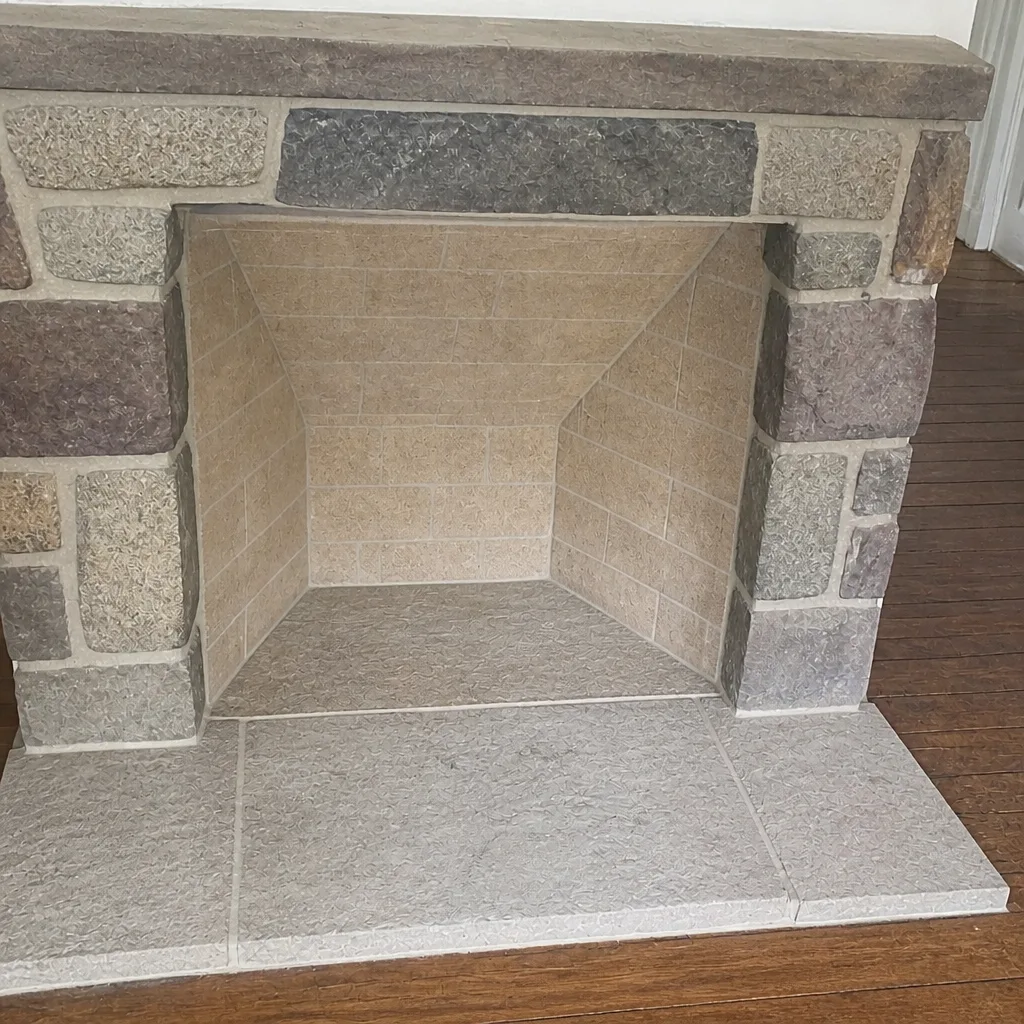
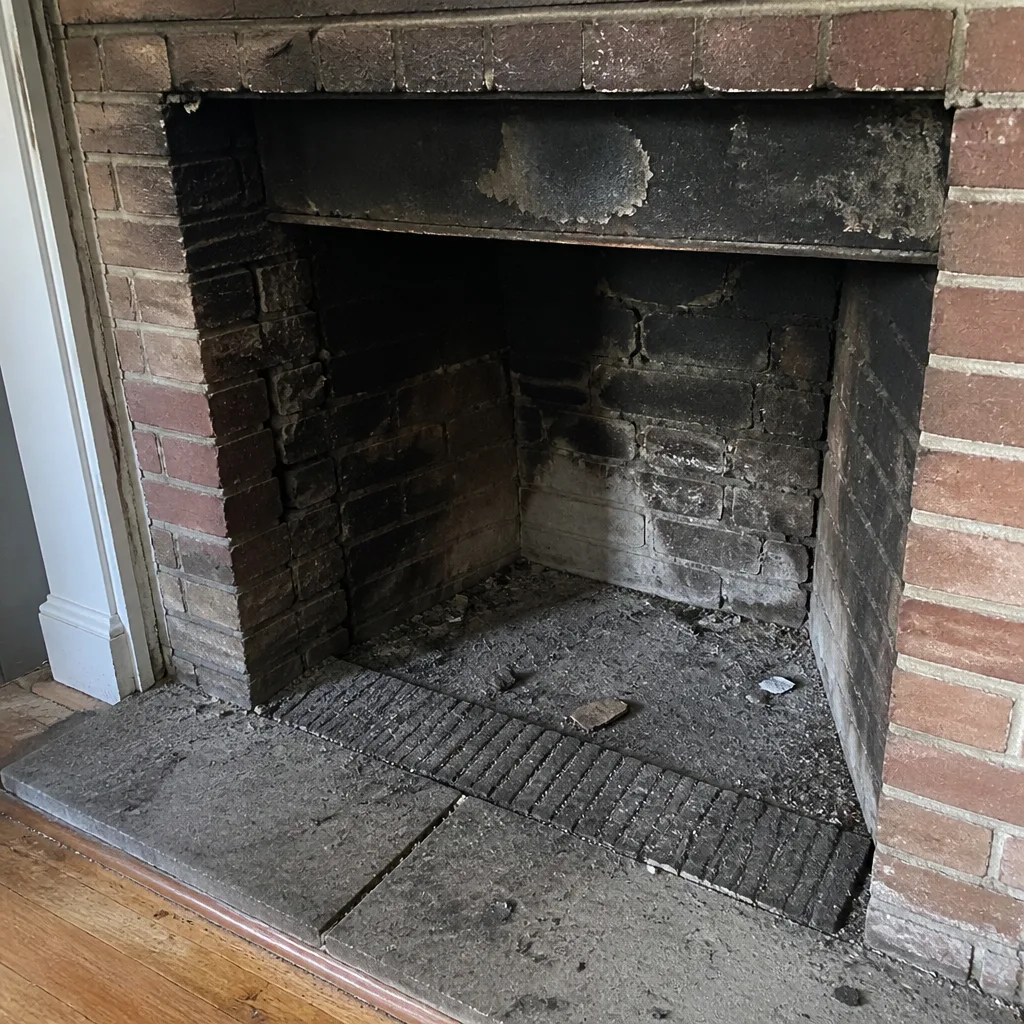
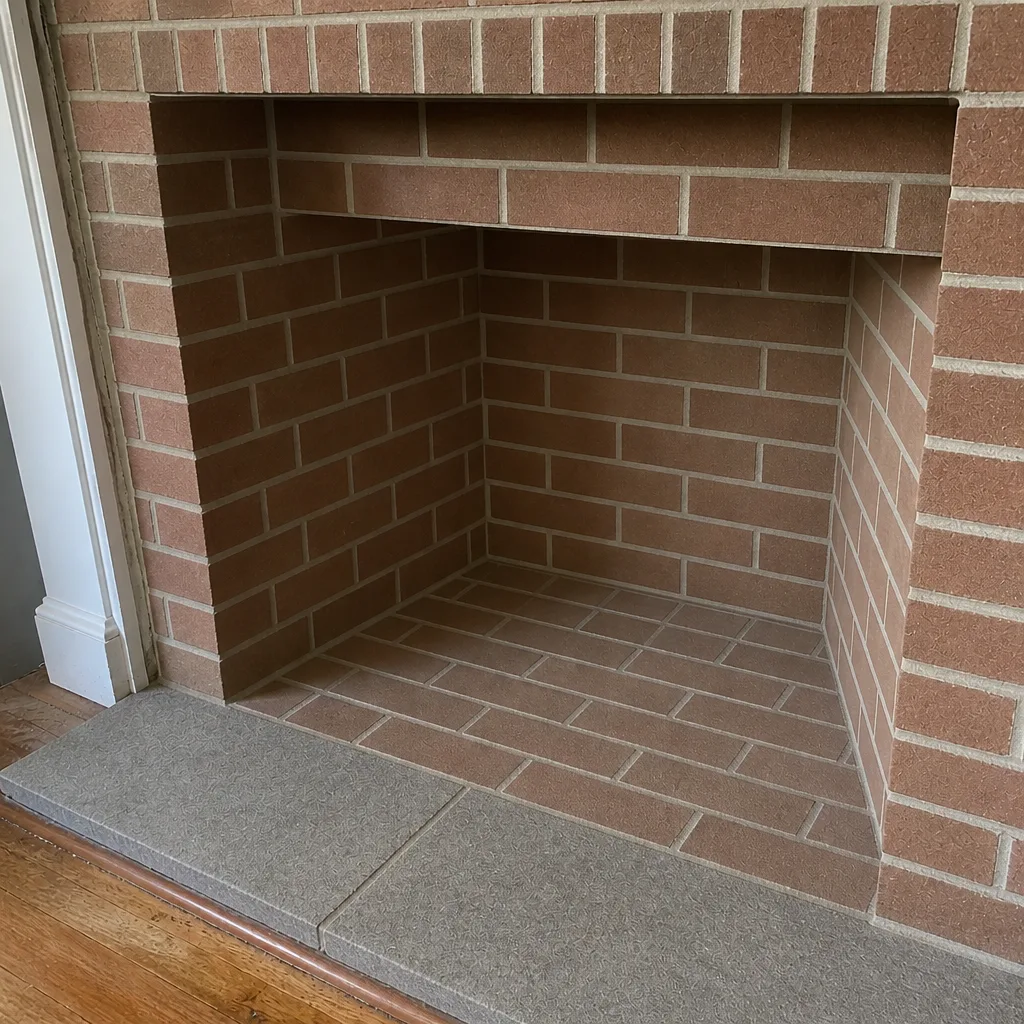
See the difference
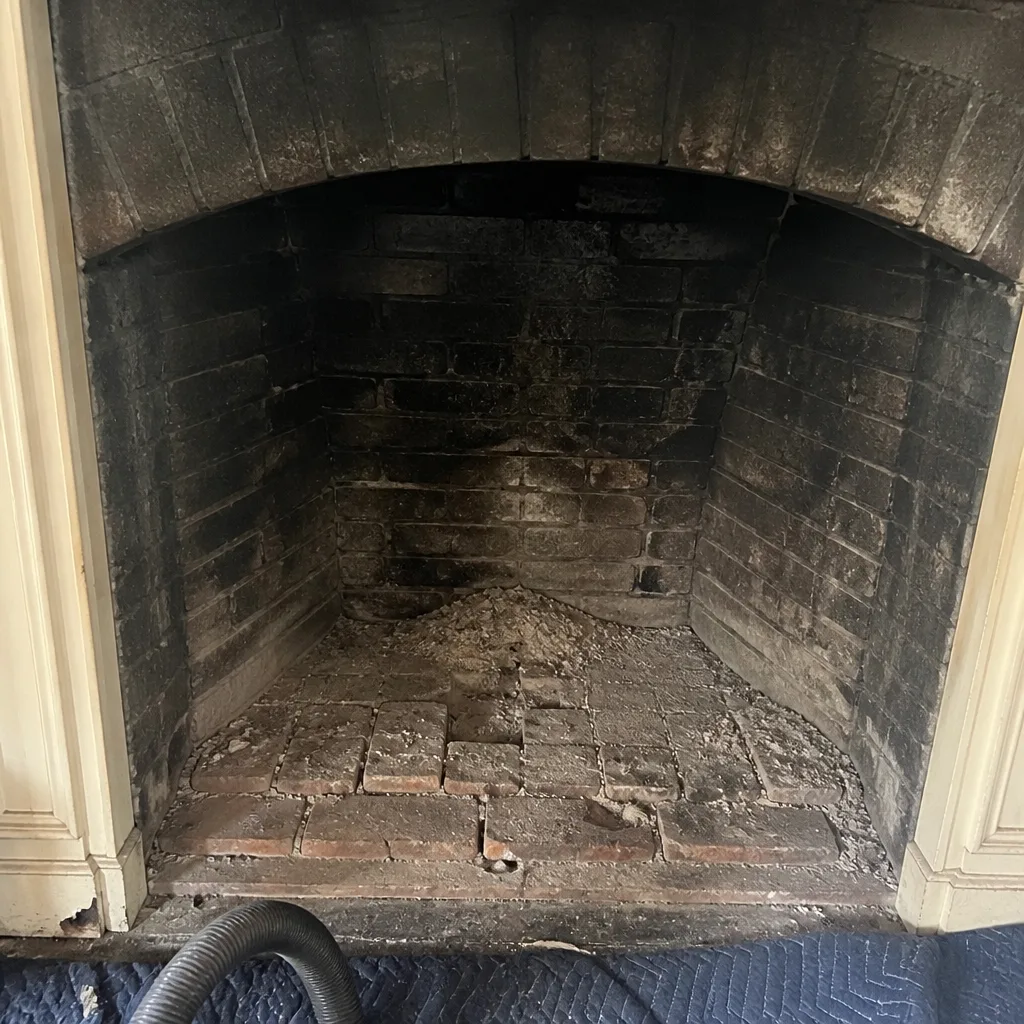 Before
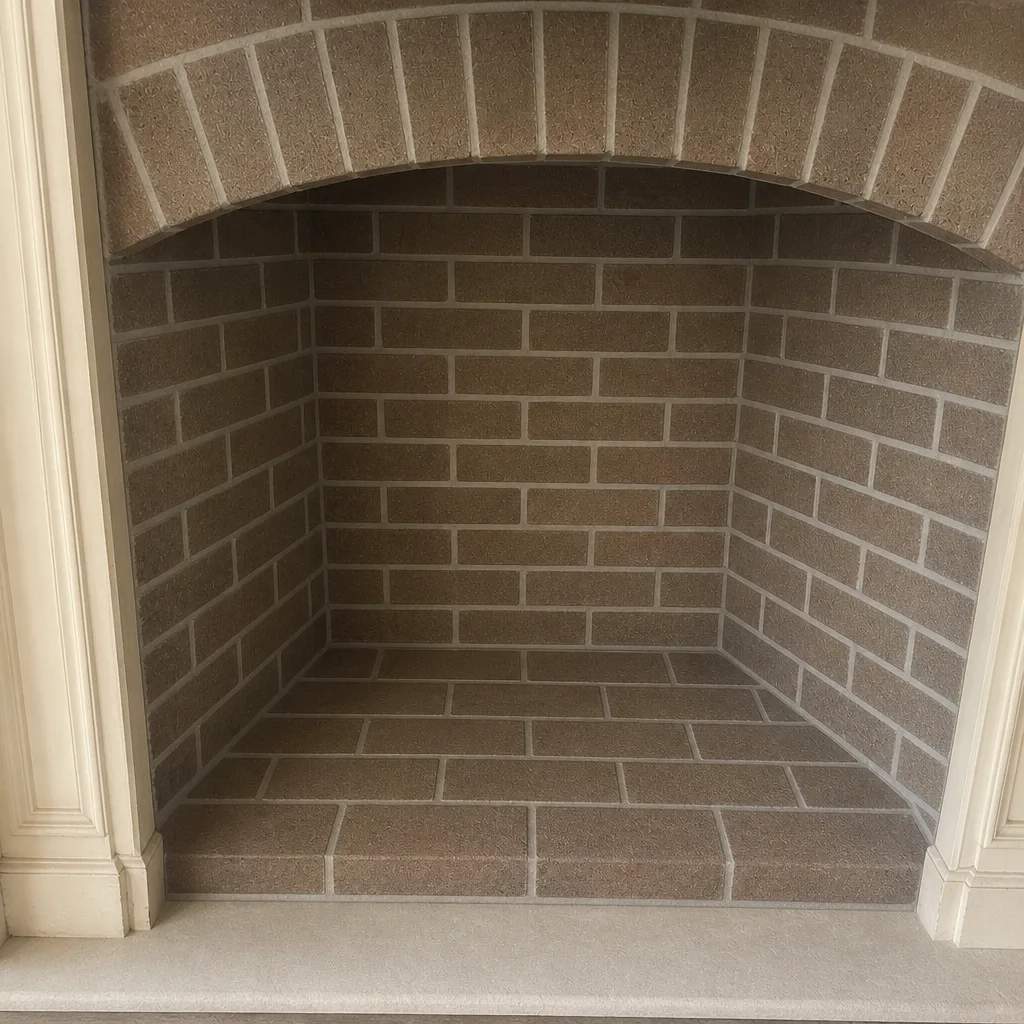 After
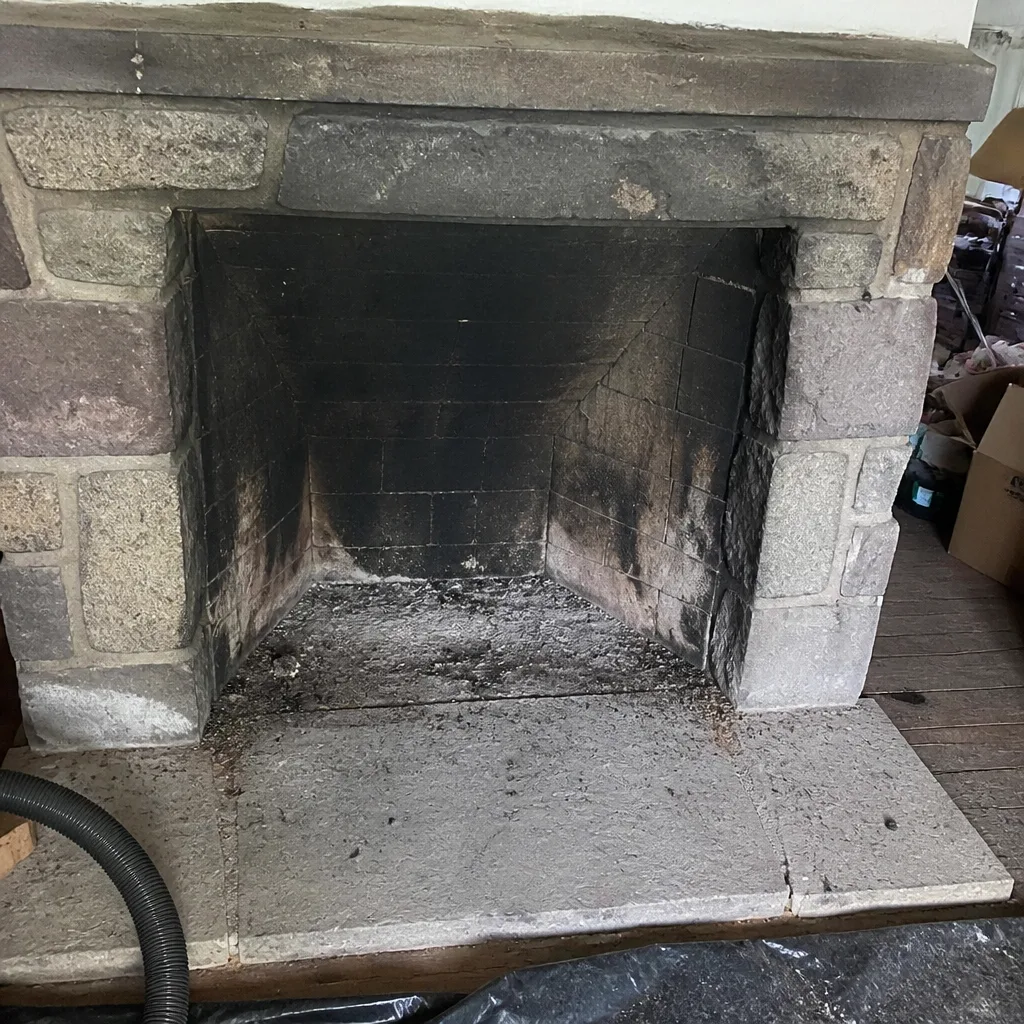 Before
 After
 Before
 After
When to Call a Professional
Call a professional immediately if you smell gas anywhere near the hearth (leave the house first, then call), if there’s a strong creosote or soot odor even when the fireplace is cold, if smoke enters the room with the damper open, or if you see a visible crack in the crown or flashing from the ground. Call before the heating season if the chimney hasn’t been swept in the last year, if you’ve just moved into the house, or if you’re planning to sell and the buyer’s inspection hasn’t been done. Chimney Sweep Highbridge offers free estimates in Highbridge – call (833) 513-8797. We answer 24/7. Fast dispatch from 7am to 7pm, Sunday through Friday. Every visit includes the camera inspection and a pass/fail report on each component, so nothing is recommended without evidence you can see.
Frequently Asked Questions
Most chimney sweeps in Highbridge run in the low-to-mid hundreds of dollars for a standard sweep and inspection, with pricing set per job by the written estimate after we see the chimney. Camera inspection and the pass/fail report are part of the appointment. Call (833) 513-8797 for an exact quote – estimates are free.
Only if the camera shows the liner is cracked, gapped, or spalling on its inner face. A sound liner gets left alone. Where the damage is confined to the inner surface, HeatShield resurfacing can restore the existing liner instead of a full replacement, which keeps cost down. Call (833) 513-8797 to book an inspection and see the footage for yourself.
Once a year for regular fireplace or wood-stove use, and more often if you burn steadily through the winter. Homes using the chimney as the primary heat source often benefit from an end-of-season sweep as well. Call (833) 513-8797 to get on the schedule before the heating season starts.
Creosote accumulates faster than most homeowners expect, especially in the smoke chamber. Heavy creosote is the fuel for a chimney fire, and the same deposits can restrict draft, which increases carbon monoxide risk. Neither outcome is guaranteed, but both become more likely as buildup grows. Call (833) 513-8797 for a free estimate on a clearing sweep.
No. A proper sweep needs the correct brush for the liner material, a camera to inspect the smoke chamber and flue joints, and the training to interpret what the camera shows. A handyman is a fair call for a household repair, not for a chimney diagnosis. Call (833) 513-8797 to book a specialist.
Yes. A standalone chimney inspection before closing gives you an objective condition report on the flue, crown, cap, and flashing, with camera footage you can use in negotiation. Chimney Sweep Highbridge offers inspection as a standalone service so you’re not pushed into work you don’t need. Call (833) 513-8797 to book before your purchase deadline.
The Bottom Line
The chimney checklist that actually protects a Highbridge home splits the work by who does it. You handle the monthly firebox and damper checks between visits, and a trained specialist handles the annual sweep, the camera inspection, and the structural review of cap, crown, and flashing. Get the pass/fail format right and every visit produces a clear picture of what’s sound and what needs attention. Log the history so you have insurance and resale documentation when you need it. And don’t wait for the smoke chamber to introduce itself. Chimney Sweep Highbridge covers the full system under one appointment, and every recommendation starts with camera evidence you can see for yourself.
Call (833) 513-8797 for a free estimate. We answer 24/7. Fast dispatch from 7am to 7pm, Sunday through Friday. From the flue liner to the chimney cap, we handle it – and the written estimate tells you exactly what’s covered.
Written by the team at Chimney Sweep Highbridge.