
Last updated November 25, 2026
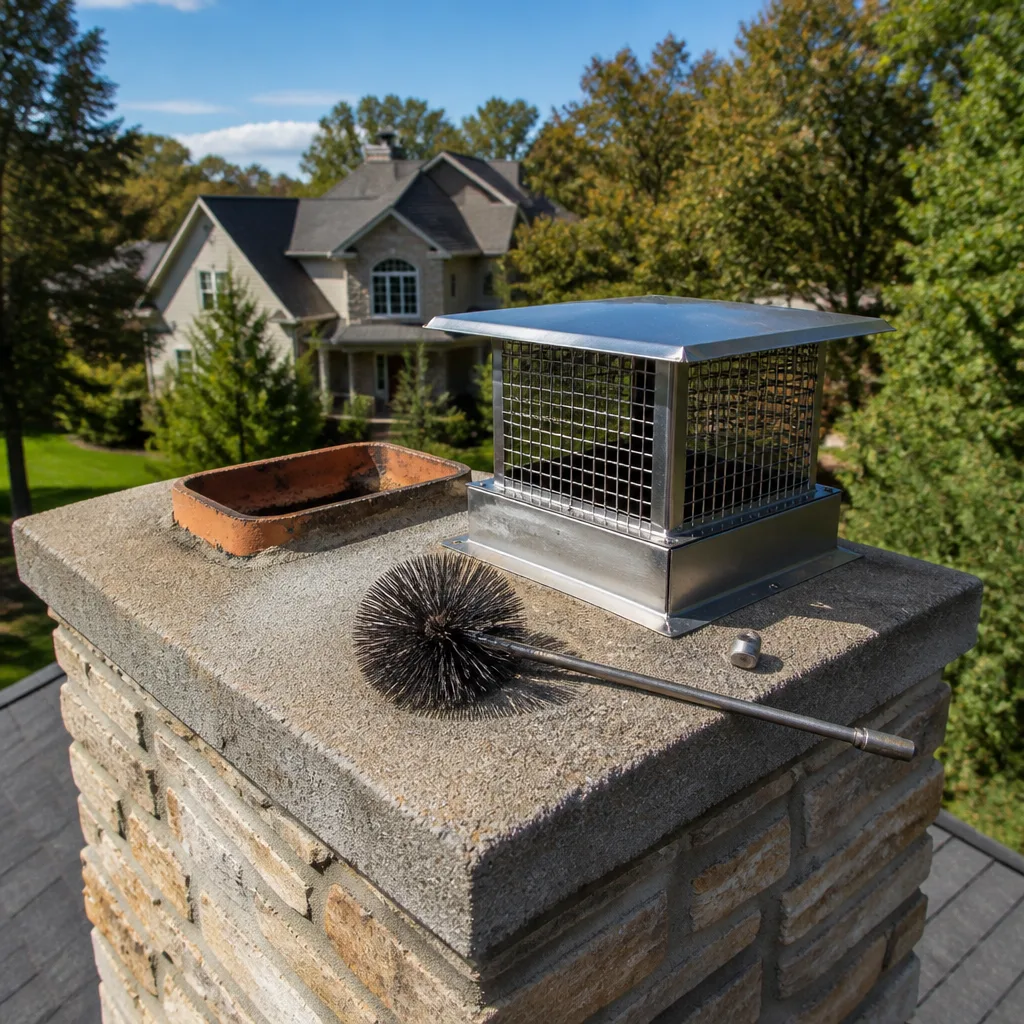 Sweep & inspection
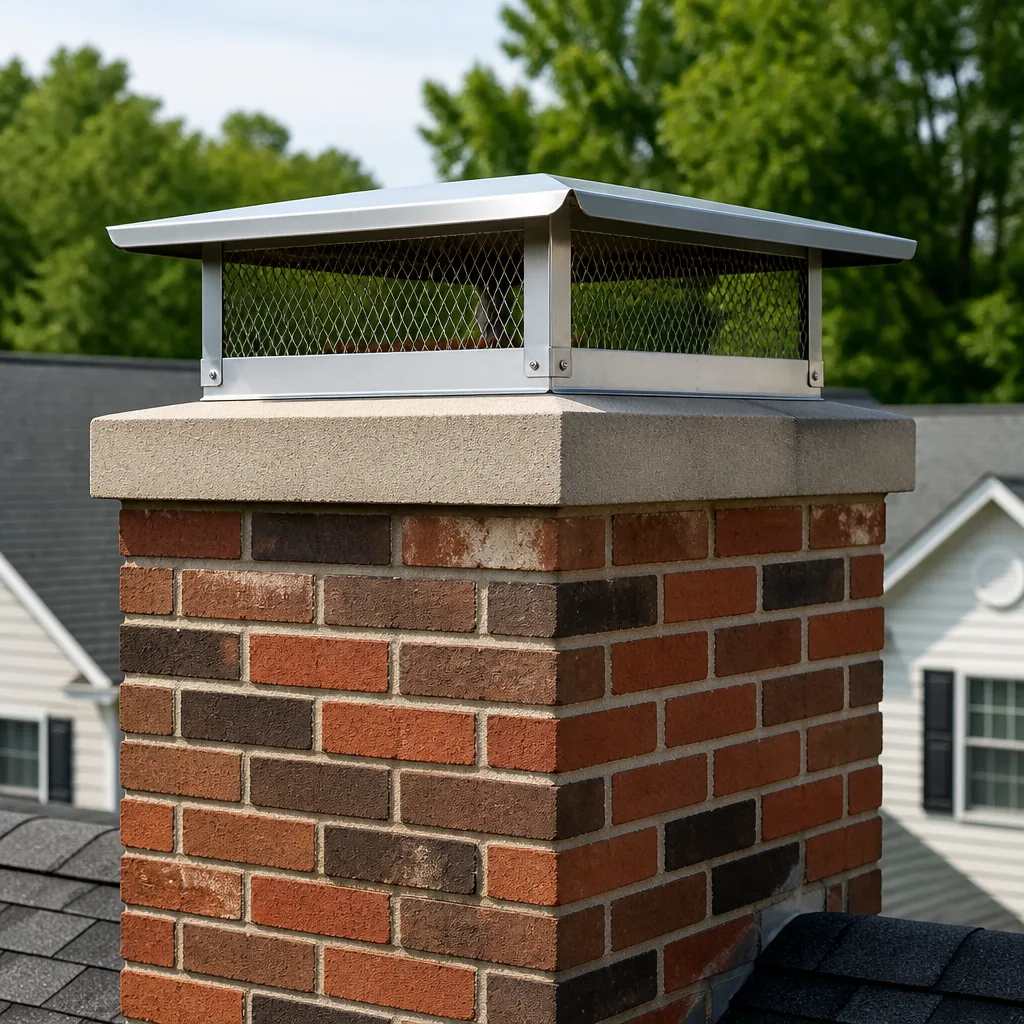 Caps & crowns
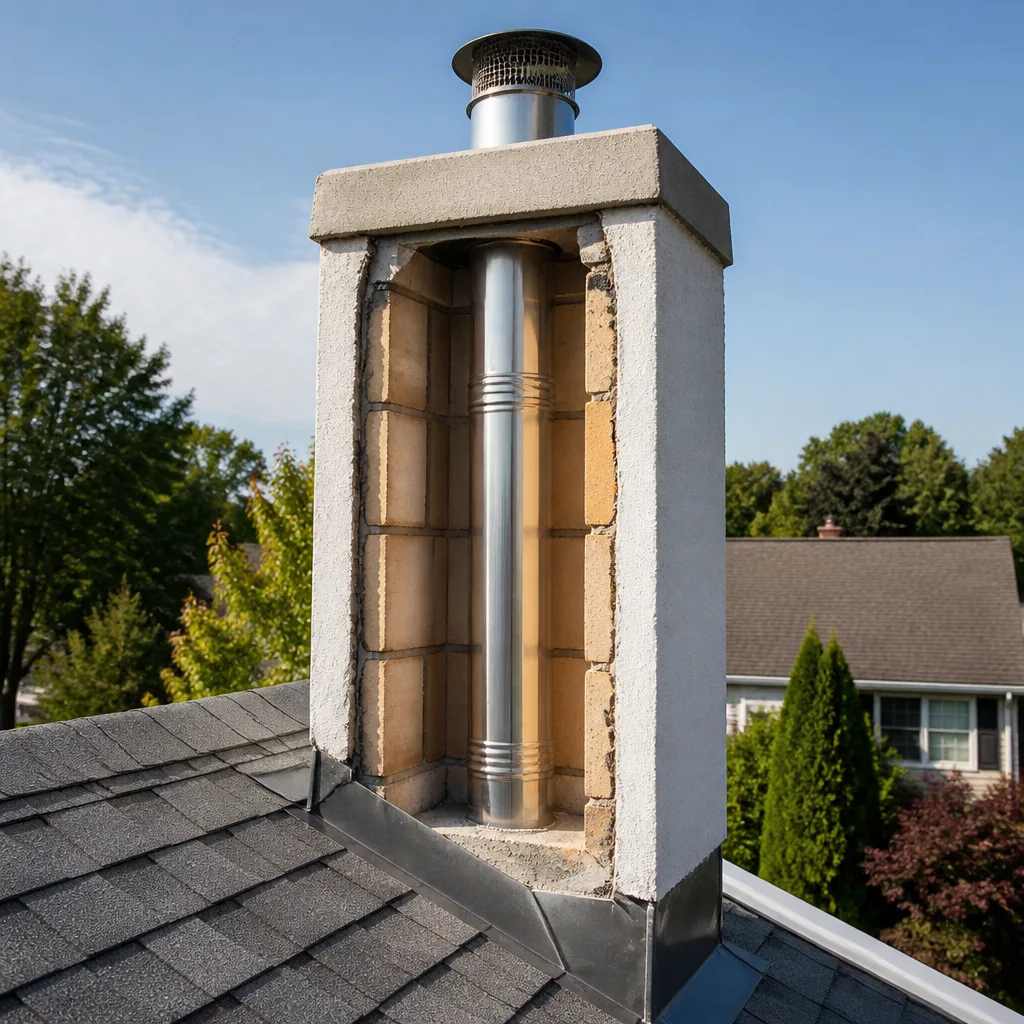 Flue relining
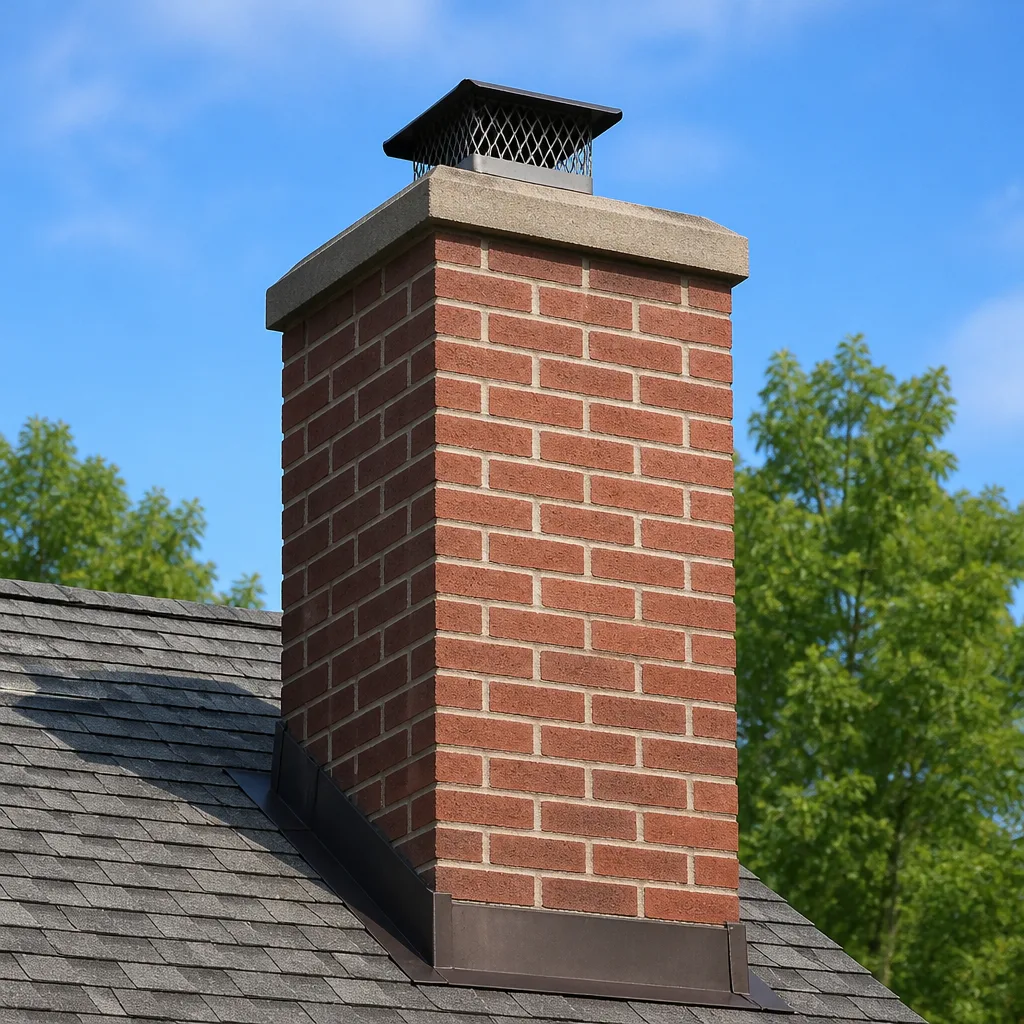 Masonry repair
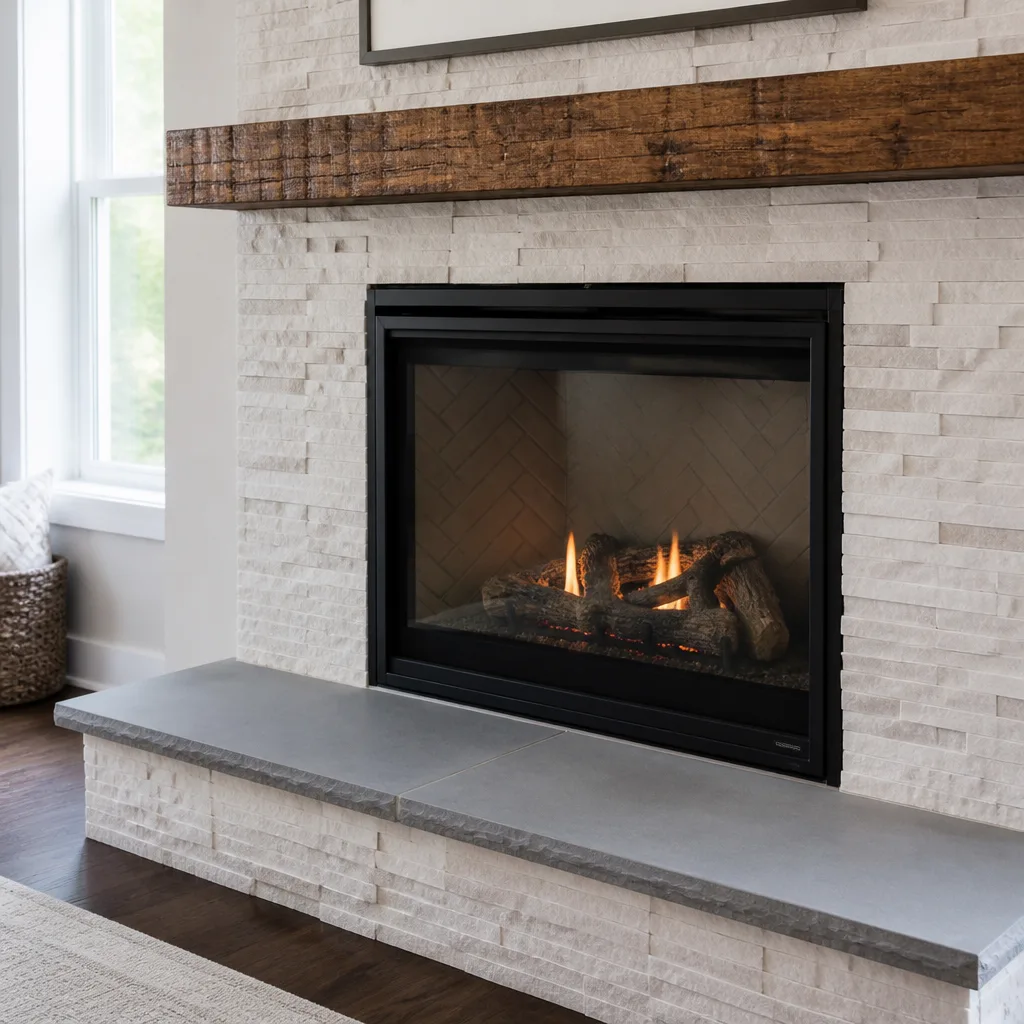 Gas fireplace service
Level 1 sweep and inspection to the NFPA 211 annual standard - flue, crown, cap, and flashing checked and photographed
Chimney sweep logs do not sweep chimneys. They loosen some creosote - which then falls where a brush and vacuum still have to collect it.
Chimney Cleaning Warning Signs: A Highbridge Homeowner’s Reference Guide
Most chimney warning-sign lists tell you that a smoky smell means danger and that you should call someone immediately. That advice is often wrong. A smoky smell on a warm, humid afternoon with no fire in the box isn’t a creosote warning at all. It’s almost always a pressure problem, and booking a cleaning for it wastes your money while the real issue stays exactly where it was. Here in Highbridge, where apartments and older houses change hands often and fireplaces get used hard in the cold months, telling those symptoms apart matters more than spotting them. This guide maps symptoms to their mechanical causes, so you can describe what you’re seeing accurately and know whether you need an appointment this week or at the next annual visit.
Quick Answer
Chimney cleaning warning signs fall into two groups: signs that mean schedule a sweep soon (a glossy glaze inside the flue, a heavy soot smell with a cold firebox, debris falling onto the damper), and signs that mean stop using the fireplace until someone looks at it (smoke rolling back into the room on every fire, visible cracking or gaps in the liner, water stains spreading on the chimney breast, a fire that won’t draw at all). In Highbridge’s mixed housing stock, the second group is more often a drafting or structural problem than a simple cleaning problem, and the fix is different. Match the symptom to its cause before you assume you need a cleaning.
Styles & brands we work with
- Sweep & inspection
- Caps & crowns
- Flue relining
- Masonry repair
- Gas fireplace service
Table of Contents
- Symptom to Cause: What Each Warning Sign Actually Means
- Three Different Smells, Three Different Problems
- Warning Signs That Mean Schedule Soon
- Warning Signs That Mean Don’t Use the Fireplace Yet
- What You Can See Inside the Firebox Without Tools
- How to Describe a Warning Sign Over the Phone
- How Highbridge’s Climate Shapes Chimney Wear
- Common Mistakes to Avoid
Symptom to Cause: What Each Warning Sign Actually Means
A warning sign is only useful if you connect it to the right mechanism. Two homes on the same Highbridge block can both smell of smoke, and one needs a sweep while the other needs a pressure fix or a new cap.
A cold fireplace that smells of smoke or soot, especially on humid or damp days, is usually off-gassing from residue left in the flue, and the fix is a sweep. Smoke that comes out the front of the fireplace while the fire is burning points to a draft problem: the smoke isn’t going up because something is blocking the flue, the chimney isn’t tall enough for its surroundings, or the house is under negative pressure. A weak, lazy flame that struggles to catch and drifts to one side of the firebox suggests a flue that’s undersized for the firebox opening or partially blocked. Visible white or brown staining on the outside of the chimney near the top is a sign of water getting into the masonry through a failing crown or a cap that doesn’t shed water. Each of these reads the same to a nervous homeowner, but each one is a different job.
This is the reason an accurate symptom description saves time on the visit. When you call, our team needs to know whether the sign shows up cold, hot, or during rain, because that single detail narrows the cause dramatically. On a call we can route the right tools to the job: a rotary sweep and camera for a residue problem, a draft gauge and inspection tools for a pressure problem, and cap and crown materials for a water-intrusion problem. The right product for the specific problem is the whole point of a diagnostic visit.
Three Different Smells, Three Different Problems
Odor is the warning sign people describe first and diagnose worst. There are at least three distinct smells a chimney can give off, and each points to a different fix.
Creosote odor
Creosote smells like a woody, ashy, slightly acrid smoke that hangs in the room near the fireplace. It’s strongest in damp weather, when humidity draws the residue out of the flue into the room. It appears whether or not you’ve had a fire recently. If you’ve burned a lot of unseasoned wood or your fire has been smoldering rather than burning hot, this is the most likely cause, and the answer is a sweep.
Draft reversal odor
Draft reversal smells like a cold, flat, stale smoke that arrives when a fire starts or when the weather shifts and a wind presses down on the chimney. It often comes with a puff of smoke from the fireplace or a hint of soot in the room, and it appears only under specific wind or pressure conditions. The cause is usually pressure imbalance in the house or a flue that isn’t drawing, not a buildup of residue. A sweep on its own won’t fix a reversal, and closing the firebox door won’t either. The fix is a draft assessment.
Moisture intrusion odor
Moisture intrusion smells like a damp, musty, earthy odor that’s strongest after rain. It comes with a soft, crumbly touch to exposed masonry or white staining on the exterior. Soot stains that have wet and dried more than once can also smell faintly of astringent charcoal. The cause is a chimney that isn’t shedding water, and the fix is a cap and crown that fit correctly. This is where purpose-built products matter: the difference between generic hardware-store caps and caps made for the job is entirely in how they shed water and seal to the flue.
Warning Signs That Mean Schedule Soon
These signs mean the system is worth cleaning or inspecting at your next practical opportunity, but they don’t mean the fireplace is unsafe to use for the next few days.
- Heavy, crunchy residue that flakes when you scrape the flue with a chimney brush. That’s a normal creosote load, and it’s a cleaning job, not a crisis.
- A cold firebox that holds a lingering soot smell after the fire has been out for days.
- Small pieces of soot or debris collecting on the damper blade or the smoke shelf.
- Difficulty starting a fire that used to catch easily, even though there’s fuel in the box and the flue is clear.
- A light, thin haze of smoke that enters the room only during the first minute of a fire and then clears.
- Any time the chimney hasn’t had a sweep after a full heating season of regular fires.
At the same time, the safest approach is to have the system looked at, not to assume it’s only a cleaning. If the firebox has had visible damage, or a chimney cap has come loose, the sweep visit is the moment to deal with it. We’d rather see a small repair alongside a sweep than a loose cap left until the following season.
Warning Signs That Mean Don’t Use the Fireplace Yet
The triage line between “schedule soon” and “stop” is whether the sign could mean the chimney isn’t doing its job safely, or whether something structural has failed. When in doubt, stop, get the system looked at, and have the answer in writing before you light another fire.
- Smoke rolling back into the room every time you light a fire, even with a hot, dry fire.
- A visible crack, gap, or missing section in the flue liner at the smoke chamber or above the damper.
- Water stains spreading down the chimney breast inside the house.
- Soot or charring appearing on the face of the fireplace surround or the wall beside it.
- Any smell of gas near the fireplace or the chimney, which points to a pipe issue rather than the flue and should be handled before anything is lit.
- A fire that goes out within minutes of lighting and won’t relight.
- Any time you suspect the chimney has been used without a sweep for years, and you’re the new owner.
For structural signs, a phone call to a trained chimney professional is not a cautious overreaction. It’s the only way to know what you’re dealing with, because hidden damage to a liner can let combustion gases leak into the house rather than up the flue.
What You Can See Inside the Firebox Without Tools
The firebox and smoke chamber are where most liner problems show first, and everything in this section is visible with a flashlight and no special tools.
Inside the firebox
- Cracked or crumbled firebrick. Hairline cracks in the joints are usually cosmetic and repointable. Deep vertical cracks through the brick, or brick that crumbles when you touch it, suggest a firebox liner problem that needs inspection.
- Gaps where the firebox meets the smoke chamber. The face of the damper and the front edge of the smoke chamber should be smooth and continuous. A visible step or gap in the masonry there can let smoke leak around the damper into the room rather than out the flue.
- Discoloration above the damper. Soot streaks rising above the damper can indicate that smoke is escaping around the damper rather than going up the flue. That’s a smoke chamber or damper problem, not a creosote problem.
At the damper
- Does the damper open and close smoothly? A stiff or stuck damper is worth mentioning on the phone, because it can leave the chimney partly blocked even though the firebox looks clear.
- Is the damper fully open when the fire is lit? A closed damper on a hot fire is one of the most common reasons smoke comes into a room.
The throat and smoke shelf
- Debris on the smoke shelf. A shelf holding a visible pile of soot or leaves points to down-drafts or a failed cap above. That’s a cap problem as much as a cleaning problem.
- Charring or soot on the front face of the breast. If it’s blackened above the fireplace opening without a visible reason, stop using the fireplace and get the system inspected.
If you see any of these, an inspection will tell you what’s there and what isn’t, which is the more useful answer than a cleaning quote. The camera inspection and photo report from an inspection lets you see the inside of the flue for yourself.
How to Describe a Warning Sign Over the Phone
Most of the value of a phone call ahead of a visit is in the details you give, not the questions you’re asked. A technician who knows the symptom arrives with the right tools instead of turning the visit into a second appointment.
Have these details ready:
- When it happens. Cold firebox, during a fire, after a fire, during rain, or only on windy days.
- What it looks like or smells like. Acrid and smoky, damp and earthy, or cold and flat. A photo of visible staining, cracking, or soot is genuinely worth more than a paragraph of description.
- When the system was last swept. If you don’t know, say so. That’s an answer, not a failing.
- What’s on the outside of the chimney. Cap present or missing, crown condition, staining on the masonry, or a tarp over the top.
- What kind of fireplace it is. Masonry wood-burning fireplace, wood stove, or gas insert. That changes the tools and the inspection route.
- How the house is heated. A forced-air system, baseboard heat, or a boiler. This tells the technician a lot about the pressure conditions in the house, and pressure conditions drive a surprising number of the “smoke in the room” complaints we hear about in Highbridge.
Don’t try to diagnose the fix yourself, and don’t accept a phone answer about whether you need a new liner. The only honest answer at that stage is “we’ll know when we see it.” An inspection that tells you what’s there, not just what we can sell you, is the standard worth holding any chimney company to.
How Highbridge’s Climate Shapes Chimney Wear
Chimney wear depends heavily on the house and the weather around it. Highbridge sits on higher, exposed ground, and its winters run cold and wet with repeated freeze-thaw cycles. That matters more than most homeowners realize, because freeze-thaw is what breaks masonry apart from the outside in, and heavy rain driven sideways by wind finds every crack in a crown or cap.
Houses in Highbridge range from older masonry construction to more recent builds, and the older stock is where crown and cap problems show up most. A crown that was fine when it was poured can dry out and crack over time. Once water gets behind the crown, it travels down the chimney and can reach the flue lining. A capped chimney with a well-fitted crown sheds that water before it has a chance to cause damage.
The firewood side matters too. Highbridge’s cold months are long, and unseasoned wood burned in the early season loads up a flue fast. Creosote from a season of damp wood builds quicker than from a season of dry, seasoned fuel, and the sweep schedule that made sense for a household burning seasoned hardwood can look light for one whose fuel hasn’t dried enough. We mention this because a great many cleaning calls we take could have been avoided with better-seasoned wood, and a great many of the rest could have caught a crown problem at the start rather than the end.
When Does a Chimney Sweep Actually Need to Visit?
The honest answer is: when the symptom can’t be resolved from outside the house, or when the annual inspection is due. Sweeping and inspection run on different clocks. A sweep is on the cleaning schedule the chimney system has earned through use. An inspection is one per heating season if the fireplace is regularly used, and one before closing on a home you’re buying.
Between those visits, the signs that genuinely warrant a visit soon are the “stop using” list above and a missing or damaged cap. That last one catches people out. A cap sitting loosely on the top of the chimney lets rain and debris in while it looks fine from the ground. A photographic inspection is the only way to see the top of most Highbridge chimneys safely, simply because the roofline is steep and the chimney top isn’t visible from the yard.
How to Choose a Chimney Sweep for a Diagnostic Visit
The best way to choose a chimney sweep for a diagnostic visit is to look for a specialist who inspects the whole system, not just the flue, and who’ll show you what’s there before recommending work. A sweep who arrives with a brush and a price for a cleaning is fine for a routine cleaning. A sweep who arrives with a camera and a photo report and can explain what each image shows is the right person when the symptom is unclear.
Look for a specialist who names the products they use and explains why. We work with six recognized professional chimney product brands: DuraFlex, HeatShield, Gelco, Olympia Chimney, Famco, and Copperfield. The cap and crown brands matter because a purpose-built cap fits the flue opening correctly. A generic cap that doesn’t seal to the top of the flue lets exactly what it was meant to keep out. The liner system matters because not every liner problem requires a full replacement, and knowing which products restore an existing liner is the difference between a repair and a rebuild.
The other thing to ask for is a written scope, with the inspection findings in it. A chimney company worth your time will put the findings in writing and tell you plainly when the honest answer is “the fireplace is in working order, leave it.”
How Often Should a Highbridge Chimney Be Cleaned?
There’s a simple rule for how often a chimney should be cleaned. It should be cleaned whenever there’s a heavy enough load of creosote in the flue to matter, and one per heating season is the useful default for anyone who burns regularly. For a household burning seasoned wood and running hot fires, an annual sweep is usually right. For a household burning softer wood, or running the fire cool and slow, it’s more often.
That’s why we don’t quote a fixed “once a year is fine” answer across the board. A firebox with a season of damp wood through it can need a cleaning mid-season, while a household that lights a fire on the coldest dozen nights of the year might comfortably wait longer than a year. The other metric is the visual state of the flue. A technician assessing the flue with a camera will tell you whether the load is light, moderate, or heavy, and that’s what drives the schedule. Anyone who quotes you a cleaning without looking is guessing.
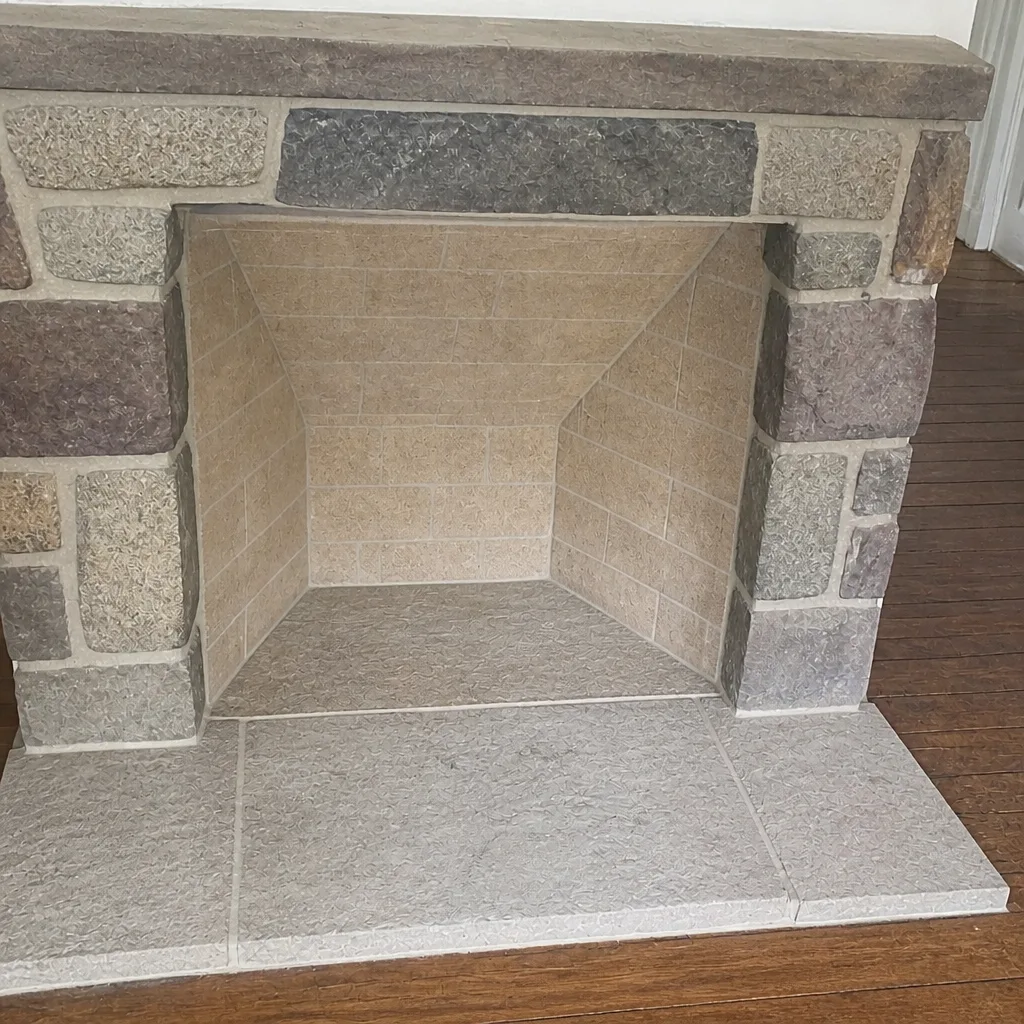
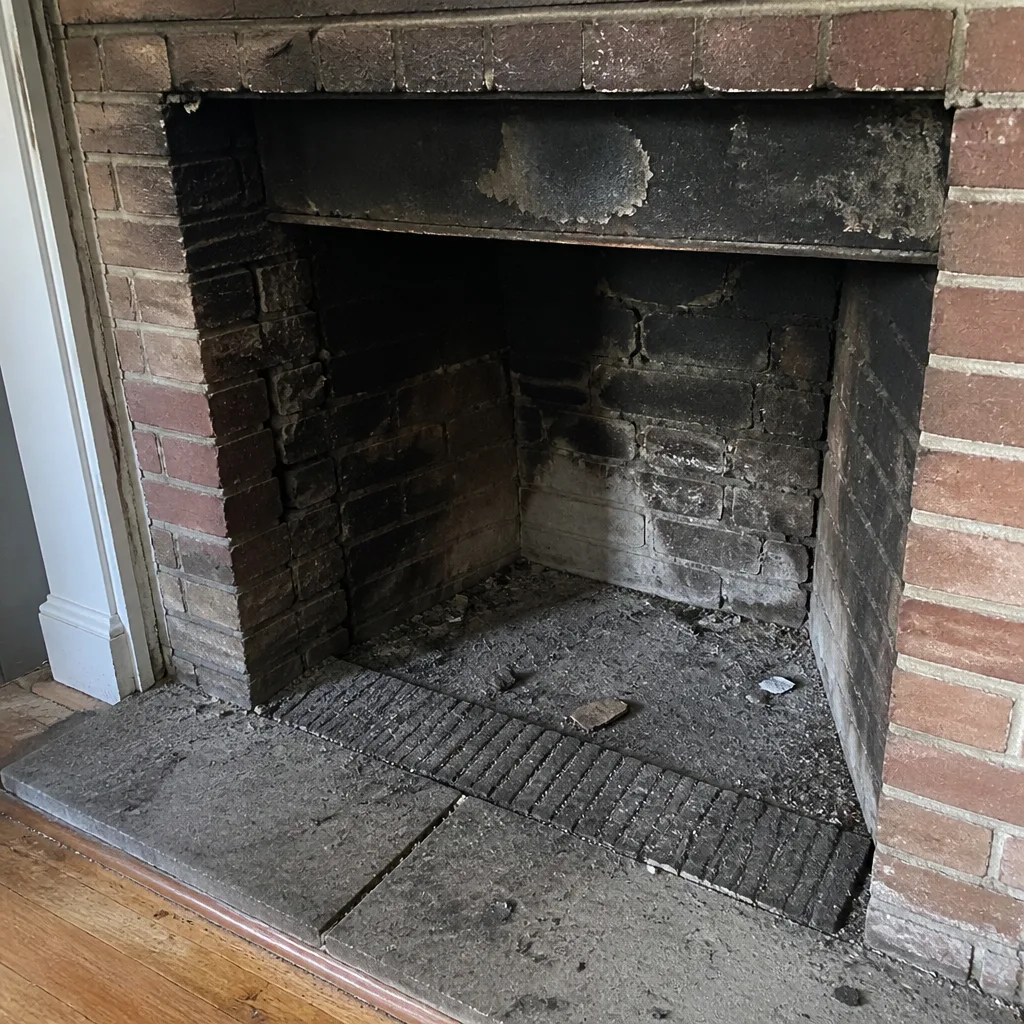
See the difference
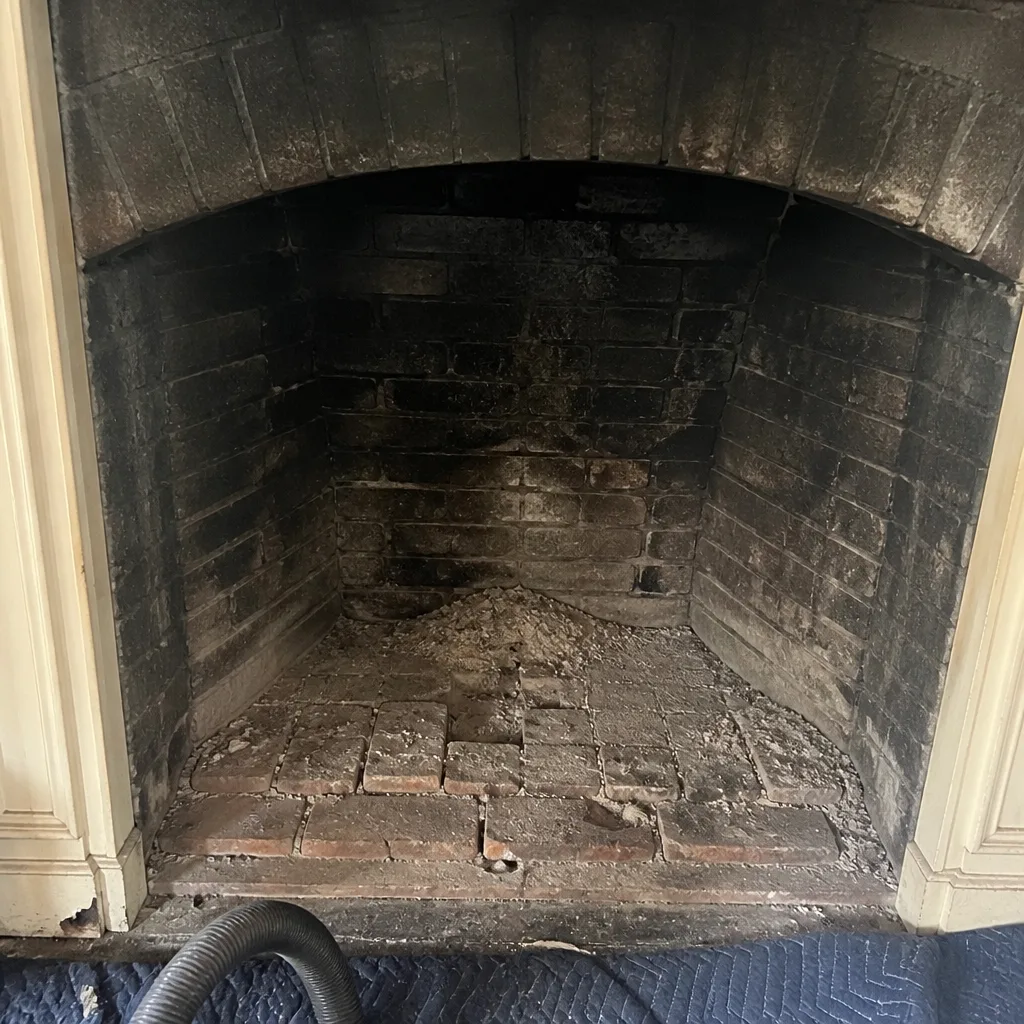 Before
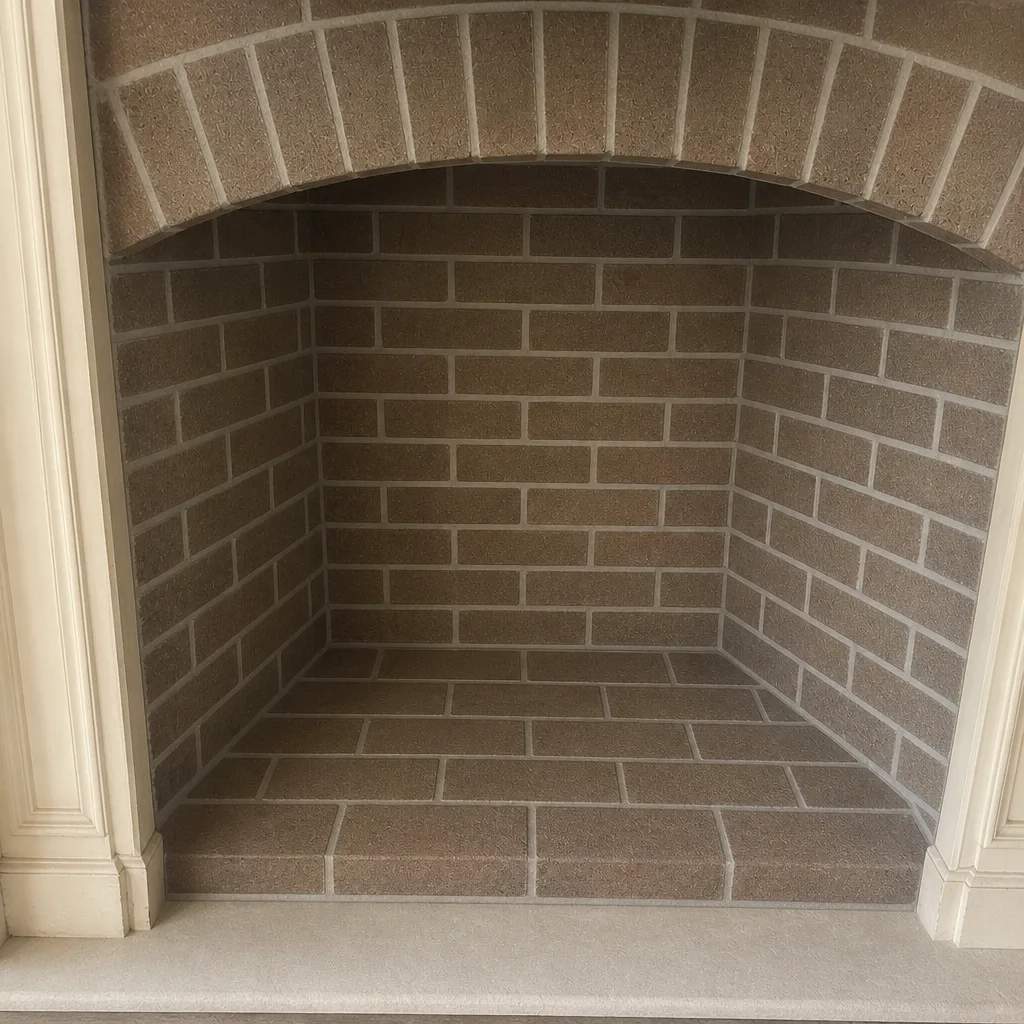 After
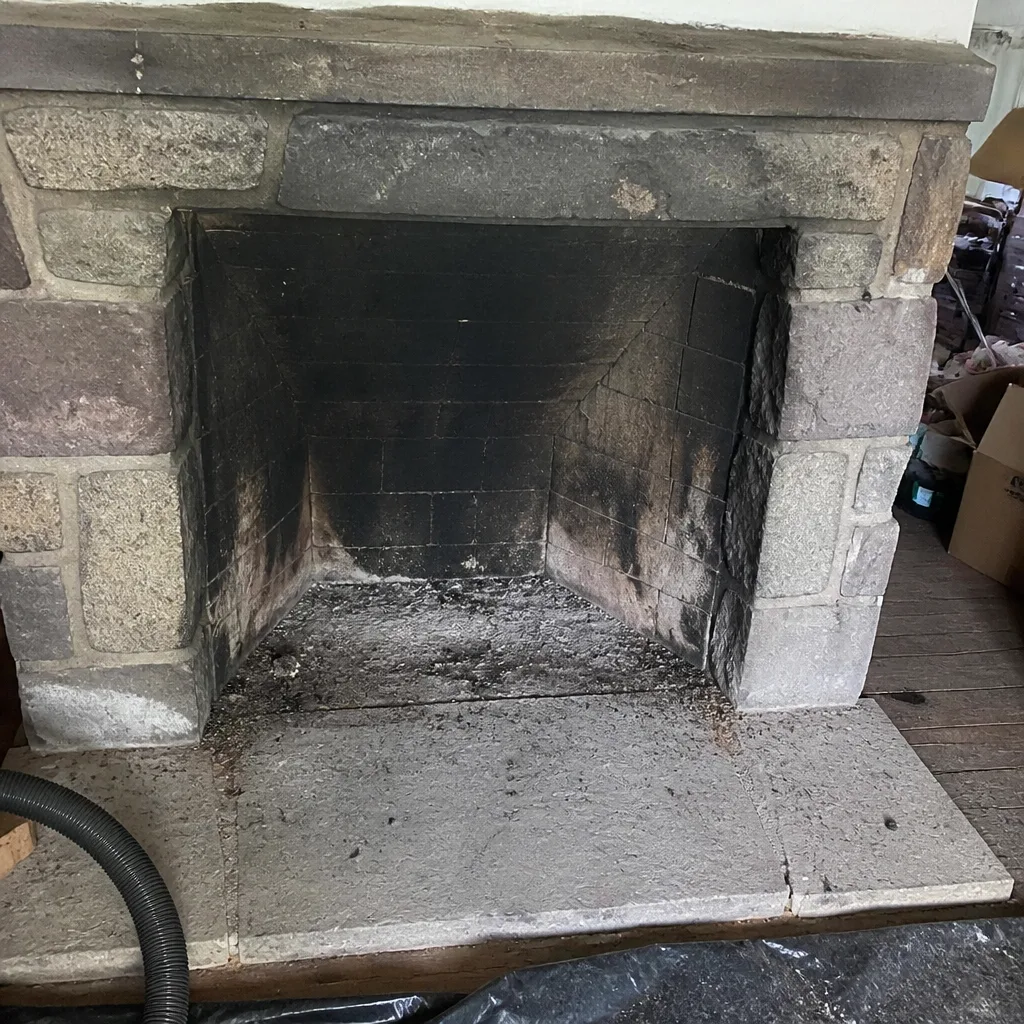 Before
 After
 Before
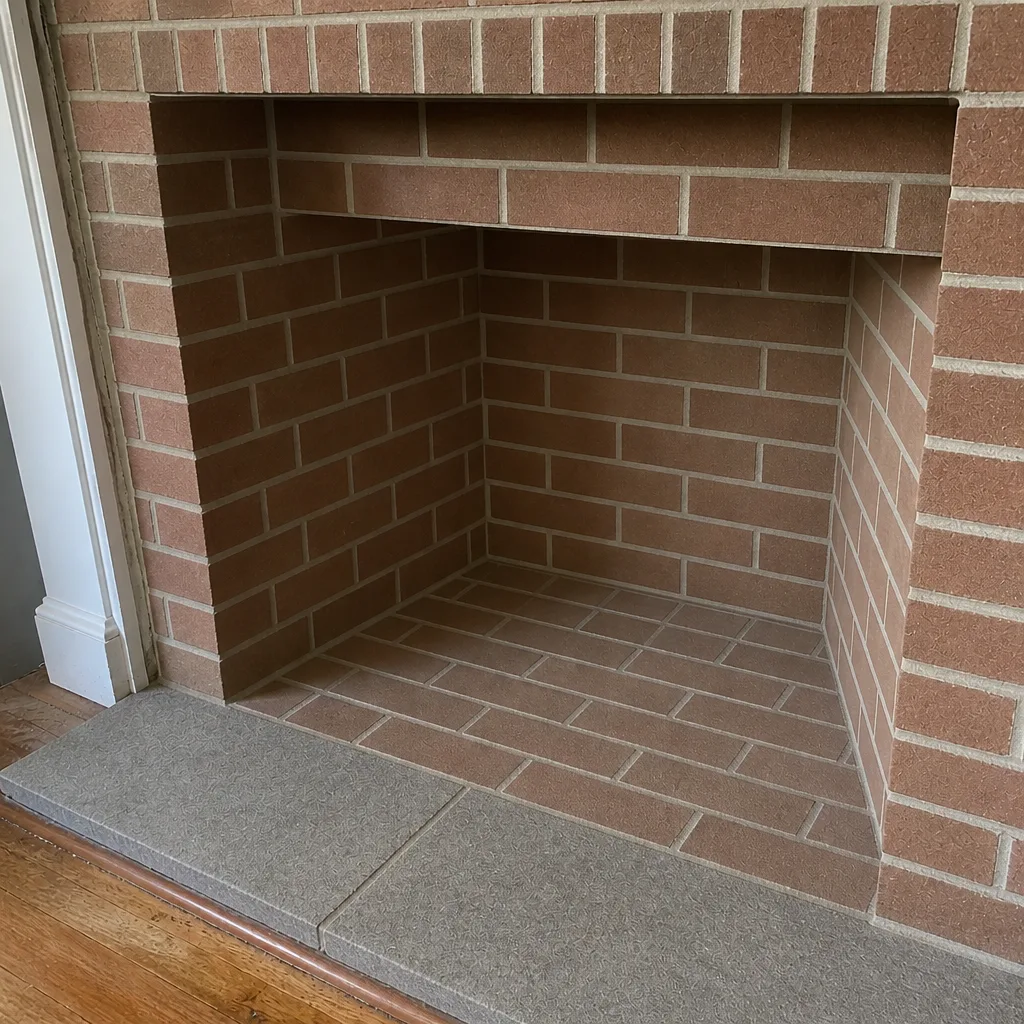 After
What Actually Happens During a Professional Chimney Cleaning
A professional cleaning is a diagnostic and a cleaning in one pass. It follows a predictable sequence in a specialist’s hands.
- An initial inspection and photo set. The firebox, damper, smoke chamber, and the top of the chimney are photographed before anything is touched.
- Protecting the room. Drop cloths are laid, and a dust control system is set up at the firebox opening, so the room stays clean throughout.
- Sweeping the flue with a brush suited to its material and size. Masonry flues get a stiff brush, and an inserted liner needs a gentler tool and a different sequence, because forcing a masonry brush through a heat-resistant liner can damage it.
- Clearing the smoke shelf and damper. A surprising amount of the smoke leak we see on calls starts at the smoke shelf, so it gets cleared rather than bypassed.
- Camera inspection of the flue. The camera runs the full length of the flue, and the photo report goes to you, not just to whoever does the work.
- A written report and, if needed, a scope of further work. Any further work is quoted in writing, and you see the images that justify it before any decision.
That sequence is where the value sits, and it’s exactly what we want you to hold any chimney sweep to. A cleaning that shows you nothing isn’t a diagnostic; it’s a brush in a hole, and a homeowner walking back to Google after it isn’t doing themselves any favors.
Common Mistakes to Avoid
- Assuming every smoky smell means the chimney is dirty. As covered above, most cold-day smoke smells come from humidity drawing residue out of the flue, and most warm-day smoke smells come from pressure problems. Both look identical to the homeowner but need different fixes.
- Burning wet or unseasoned wood to save money on fuel. On Highbridge’s cold nights, wet wood is what loads up a flue with creosote. Seasoned wood burns cleaner and reduces the sweep load far more than most people expect.
- Doing the annual chimney inspection by eye from the ground. Most Highbridge chimneys are too steep-roofed to see the top from the yard safely. A missing cap or a cracked crown isn’t visible from below, and the damage from a loose cap spreads down into the masonry over the wetter months.
- Letting a chimney cap come loose and putting the fix off. A loose cap is a cheap fix and a large repair if left through a wet Highbridge season.
- Using a general handyman for a chimney problem. Chimney work isn’t generalist work. A specialist recognises a pressure problem, an undersized flue, or a liner issue that would look like wear and tear to someone doing a seasonal side job.
- Skipping the whole system in favor of a cleaning alone. A cleaning tells you about the flue. It doesn’t tell you about the firebox, the damper, the crown, or the cap. An inspection covers all of them, and we offer that as a standalone service precisely because the two jobs answer different questions.
- Accepting a liner replacement recommendation without seeing what justifies it. A visible crack in a liner is a real problem, but it should be shown to you with a photograph before it’s recommended. When the liner can be restored rather than replaced, HeatShield is the professional resurfacing system that can do it, and it’s worth asking whether that option applies.
When to Call a Professional
Call a chimney professional when you’re uncertain whether a sign means “schedule soon” or “stop using the fireplace,” when you’ve seen smoke in the room and don’t know why, or when you’ve just moved into a Highbridge home and don’t have a record of the last sweep. Also call when you see water stains on the chimney breast, a crack in the firebox, or soot above the damper. Each of those needs eyes on the system, and none of them can be diagnosed from a phone description alone. A specialist visit gives you a camera inspection and photo report, so you see the evidence before any decision. Chimney Sweep Highbridge offers free estimates in Highbridge: call (833) 513-8797. We answer 24/7, and fast dispatch from 7am to 7pm runs Sunday through Friday.
Frequently Asked Questions
The most common warning sign we hear about is a soot smell with no fire burning, and it’s usually the least serious. It points to residue in the flue, and a normal sweep clears it. The second most common is smoke coming into the room during a fire, and that’s the sign that needs an actual assessment before the next fire, because it can mean a draft problem, a blocked flue, or a smoke chamber issue, and the answer is different for each. Call (833) 513-8797 for an exact quote; estimates are free.
Chimney sweeps in the Highbridge area are priced by the job, and the written estimate sets the final price. We don’t publish a fixed cleaning price because a sweep on an older chimney with a heavy creosote load is a different job from a light sweep on a newer one, and a quote that ignores the difference isn’t honest. If you need an exact quote before work is done, call (833) 513-8797 for a free estimate and a written scope.
No, not by default. A liner needs to be replaced when it’s actually failed or been damaged: cracked, broken, separated, or missing in sections. When a liner is still structurally sound but worn, a resurfacing system can restore the flue from the inside. HeatShield is a professional resurfacing system designed for that job, and we offer it as an alternative to a full liner replacement when the camera inspection shows it’s appropriate. The only legitimate way to know which one you need is to see the flue.
No, not reliably. A phone description narrows the possibilities and we can often say “this needs an inspection rather than just a cleaning,” but a brush in a hole without a camera inspection isn’t a diagnosis. What we can do on the call is make sure the technician arrives with the right tools and reasonable expectations, and that starts with the details: when the sign shows up, what it looks like, and when the last sweep was. Call (833) 513-8797 for an exact quote; estimates are free.
The risk is creosote buildup inside the flue. Creosote is the residue from incomplete burning, and a heavy load is the fuel source for a chimney fire, which is a real risk worth understanding. A sweeping schedule that matches your use is the way to keep that risk down, and a camera inspection tells you whether the load is heavy or light. If you skip cleaning for a season and don’t know the state of the flue, get it looked at before the next fire.
Yes. Chimney inspection is a standalone service with us, so a homeowner can get an objective condition report before buying a house or before the heating season without being pushed into immediate work. The inspection includes a camera inspection and photo report. From the flue liner to the chimney cap, we handle the whole system: chimney sweep, chimney cap & crown work, chimney repair, and formal inspection. Call (833) 513-8797 for an exact quote; estimates are free.
The Bottom Line
Warning signs are useful only when you know what they mean. A cold soot smell is a cleaning job; smoke rolling into the room during a fire is a diagnosis job; damp, musty smells after rain point at a crown or cap. The firebox tells you a lot if you look after the firebox after the firebox has cooled without tools, and a photo of visible damage is worth more to a technician than any description. Before you book a sweep, know which group you’re in, and call the specialist when the sign needs eyes, not guesses. Call (833) 513-8797 and we’ll map the symptom to the visit. We answer 24/7, with fast dispatch from 7am to 7pm, Sunday through Friday. A call outside dispatch hours is booked into the next opening.
Written by the team at Chimney Sweep Highbridge.