
Last updated November 25, 2026
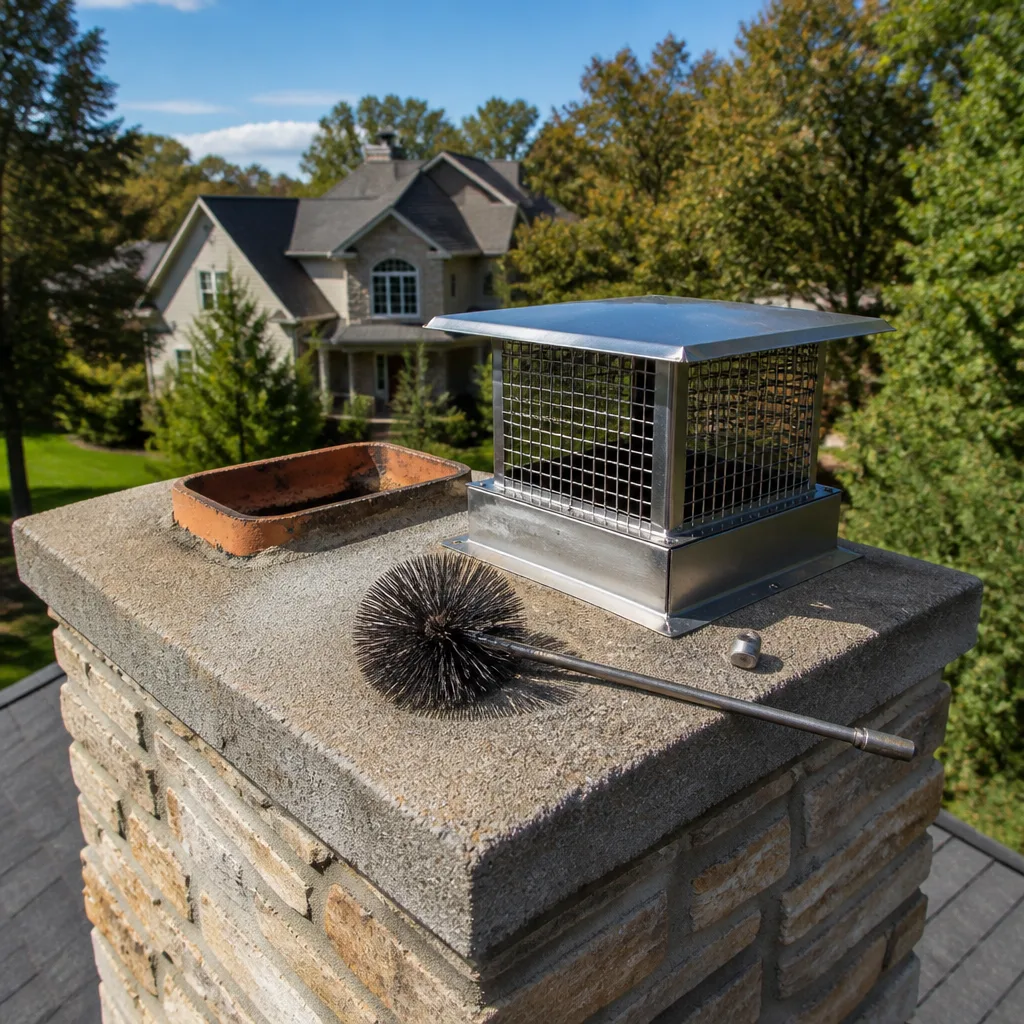 Sweep & inspection
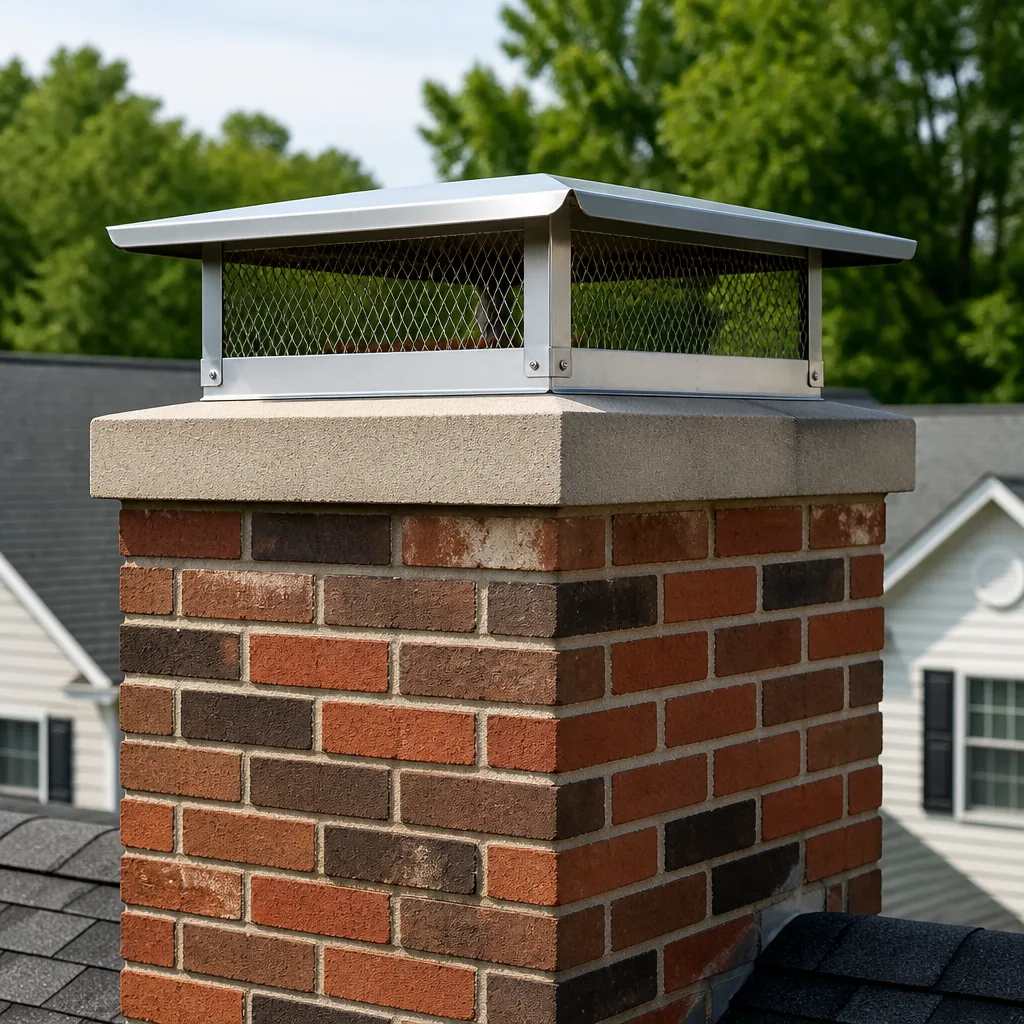 Caps & crowns
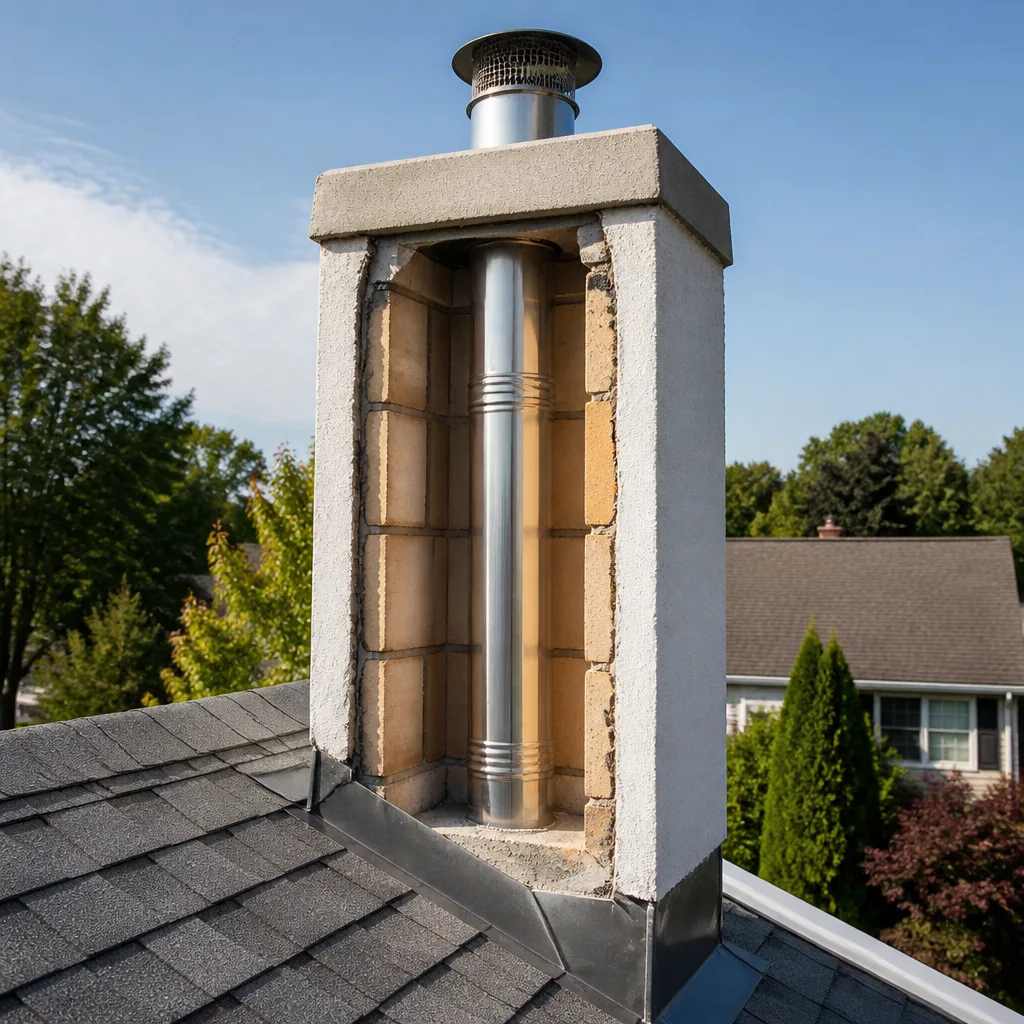 Flue relining
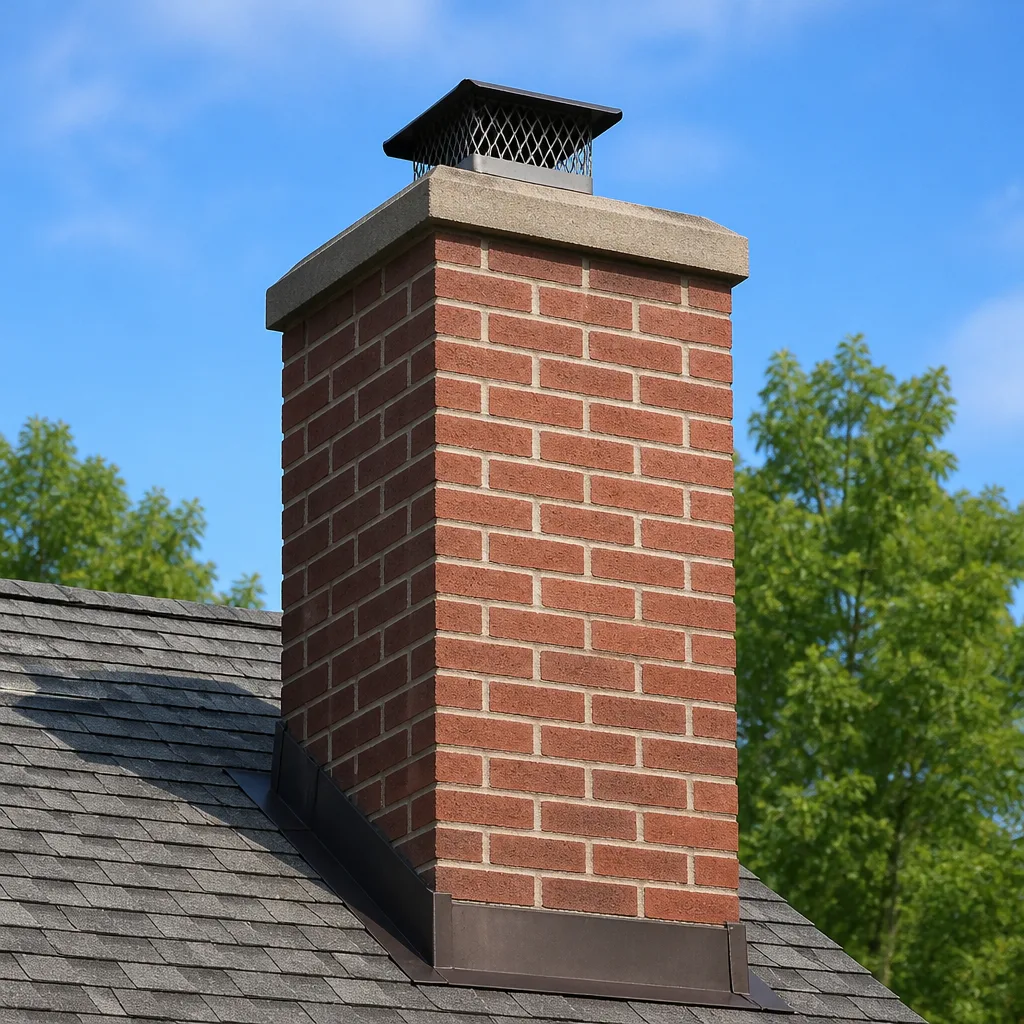 Masonry repair
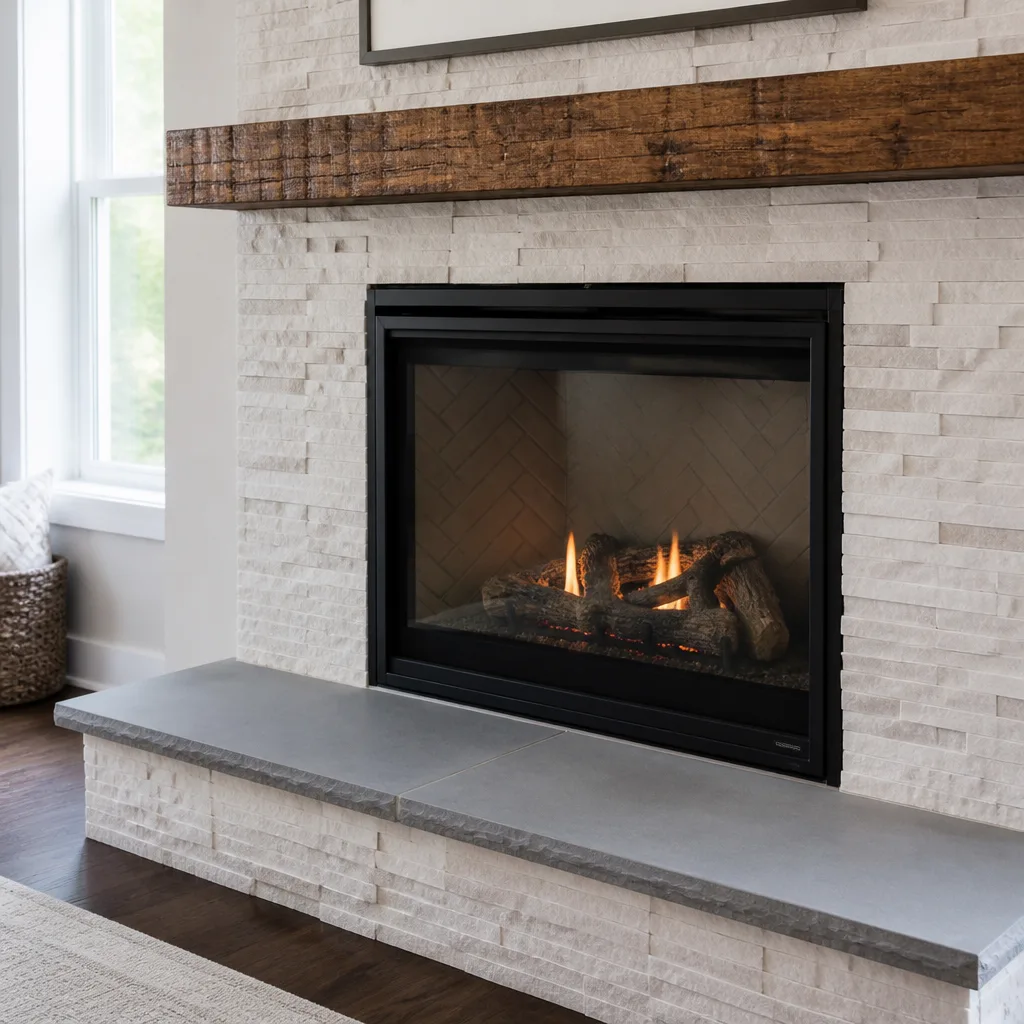 Gas fireplace service
Level 1 sweep and inspection to the NFPA 211 annual standard - flue, crown, cap, and flashing checked and photographed
Chimney sweep logs do not sweep chimneys. They loosen some creosote - which then falls where a brush and vacuum still have to collect it.
Chimney Cleaning Permits, Codes & Inspections in Highbridge, NY: What You Need to Know
Most chimney work in New York doesn’t need a permit. That surprises people. The routine sweep, the cap that’s seen better days, the crown with a hairline crack – these are maintenance, and maintenance is exempt. But a stainless steel liner installed without the right filings doesn’t just risk a fine from the city. It can hand your insurer a reason to deny a fire-related claim tied to that appliance, and it can fail a carbon monoxide inspection after the fact. The line between maintenance and regulated work is exactly where Highbridge homeowners get caught. This guide draws that line, explains how NYC Building Code Section BC 28 fits into chimney work in the Bronx, covers what a Level 2 inspection is and when it’s required, and shows you how to confirm a job is code-compliant before it closes, not after.
Quick Answer
Routine chimney cleaning and sweeping in Highbridge, NY does not require a permit. The work that does cross into regulated territory is liner installation, structural masonry repair, certain cap and crown replacements, and gas appliance connections – and that work must follow NYC Building Code Section BC 28 and pass inspection. A Level 2 inspection is a separate requirement, triggered by a real estate transaction, a chimney event like a fire or a flue collapse, or an appliance change, and it needs a qualified inspector to document the flue’s condition in writing.
Styles & brands we work with
- Sweep & inspection
- Caps & crowns
- Flue relining
- Masonry repair
- Gas fireplace service
Table of Contents
- Which chimney services in New York require a permit?
- How NYC Building Code Section BC 28 applies to Highbridge chimneys
- What a Level 2 inspection is and when it’s legally required
- How to confirm the work is code-compliant before the job closes
- The insurance documentation trail after chimney work
- Carbon monoxide inspections and what triggers them
- How to check a contractor’s qualifications in Highbridge
- Common mistakes to avoid
Which Chimney Services in New York Require a Permit?
Most chimney work falls on the maintenance side of the line. The services that cross it share one feature: they change the structure of the venting system or the appliance connection, and that change has to be reviewed. Here’s how the split generally works.
Maintenance-exempt work
- Annual or seasonal chimney sweeping, including creosote removal from the flue
- Removing a bird nest, debris or a raccoon from the flue
- Certifying and sealing a cap that’s already in place
- Repointing mortar joints on a chimney at grade level where no structural load is affected
- A visual smoke test or draft check
- Level 1 inspection (annual visual review of accessible portions)
Work that typically requires a permit or inspection
- Installing a new stainless steel liner, including a DuraFlex or Olympia Chimney reliner
- Relining a flue for a wood-burning stove or insert that wasn’t previously connected
- Connecting a new gas appliance to an existing flue
- Structural repair to a chimney that supports a load or affects the roof structure
- Replacing or rebuilding a chimney above the roofline in certain circumstances
- Rebuilding a crown that’s integrated with the flue structure
- Any work that alters the footprint or height of a chimney
One nuance worth knowing: a chimney cap replacement often counts as maintenance on a straight, single-flue chimney, but a crown rebuild or a multi-flue cap assembly can pull in a permit depending on the scope. We install cap and crown work using purpose-built components from Famco, Gelco and Olympia Chimney, and part of the reason we’re picky about the product is that the scope of the job affects whether you’re filing with the city. When a Highbridge homeowner asks us to swap a simple vented cap, that’s usually a maintenance call. When a crown needs structural replacement, we tell them to plan for paperwork.
If you’re not sure which side of the line your job sits on, that’s the moment to chimney repair specialists can help – a straight answer up front is worth more than a fast estimate. It’s the difference between a job that closes clean and one that gets flagged months later at resale.
How NYC Building Code Section BC 28 Applies to Highbridge Chimneys
Highbridge sits in the Bronx, and that means New York City’s construction codes apply to every regulated chimney job here – not just new construction on newer blocks, but repair and alteration work on the older housing stock that defines the neighborhood around Ogden Avenue, Summit Avenue, and the streets running down toward the Harlem River. Section BC 28 of the NYC Building Code governs construction and alteration work, including the review and inspection process that goes with a permit.
In practice, that shapes chimney work in three ways.
- Scope review. When a permit is pulled for a chimney repair or liner installation in Highbridge, the filing has to describe what’s being installed, how it connects, and what the venting system looked like before. There’s no path where “we’re just putting in a liner, we didn’t document anything” goes through.
- Inspection sequence. Regulated work typically goes through an inspection before it’s covered or closed. A liner has to be inspectable at that stage – the flue’s condition before installation matters, and the installer’s documentation is part of the process.
- Certificate of compliance. When the work closes out, there’s a paper trail that confirms the work was reviewed. That document is what a future buyer’s inspector, an insurer, or a CO inspection asks for.
Bronx buildings add one wrinkle that’s easy to overlook: a lot of Highbridge apartment buildings and multifamily homes have shared chimneys or shared flues that serve more than one unit. Work on one flue in a shared stack can affect the whole system, and that’s exactly the kind of scenario where skipping the permit process causes problems down the line – because the neighbor’s system, or the building’s, can be affected in ways that only turn up at the next inspection.
Chimney work in Highbridge isn’t automatically complicated. But the housing stock here is old enough, and the fire history in dense neighborhoods serious enough, that the filing rules matter. When a job crosses into regulated territory, we tell the homeowner up front and help them understand what the paperwork trail will look like.
What a Level 2 Inspection Is and When It’s Legally Required
A Level 2 inspection is a comprehensive evaluation of the chimney, including the accessible portions of the flue, attic, crawlspace, and any area where the chimney passes through – using video scanning when needed. It’s more than a visual look from the roof, and less than the full teardown of a Level 3 inspection. You’ll encounter the requirement in three specific situations:
- Real estate transactions. When a home in Highbridge is sold, the buyer’s lender or inspector will often require a documented Level 2 before the sale closes. That inspection becomes part of the disclosure package.
- After a chimney event. A chimney fire, a flue collapse, a lightning strike, or a sudden change in how the appliance drafts – any of these is a trigger for a Level 2 evaluation, and the resulting report should be retained as part of the home’s records.
- After an appliance change. Connecting a new wood stove, insert, or gas appliance to an existing flue requires a Level 2 to confirm the flue is properly sized and in safe condition for the new appliance.
Who can perform one? The person doing the evaluation needs to be qualified for it – experienced with chimney systems specifically, not a general home inspector with a flashlight. The report needs to be written and defensible, because it’s the document a buyer, an insurer, or a permit reviewer will rely on. We offer inspection as a standalone service in Highbridge for exactly this reason: if you’re buying a house on Ogden or West 167th and you want an objective condition report before the deal closes, you should be able to get one without being pushed into work the same week.
Our technicians have up to 8 years of experience performing Level 2 evaluations, and part of what that experience teaches is that the answer is sometimes “this is fine, here’s what you have.” The report tells you what’s there, not just what we can sell you.
For homeowners planning a sale, the timeline matters: book the Level 2 early enough that any flagged issues can be addressed before the closing paperwork is due. If a liner needs replacement, that relining is a permit-eligible job in New York, and the permit review takes time. For a broader look at what the process covers, see our chimney sweep page for how the routine side differs from a documented evaluation.
How to Confirm the Work Is Code-Compliant Before the Job Closes
The worst time to find out a chimney job wasn’t filed is after the job is done and the paperwork starts surfacing – at a home sale, at an insurance claim, or at a CO inspection. Here’s a numbered process for checking before the job closes.
- Ask for the permit description in writing before work begins. If the job requires a permit, the contractor should be able to tell you in writing what’s being filed and who is filing it. If they can’t, that’s a signal.
- Confirm the filing number and the agency it was filed with. For Highbridge work in the Bronx, that’s New York City. A legitimate filing leaves a record. If the contractor says “I’ll handle all of that,” ask for the filing number before or shortly after work begins.
- Confirm who will conduct the inspection. A permitted job has an inspection sequence. Ask what stage the inspection happens at, and whether the contractor will be on site for it.
- Get the manufacturer documentation for the product installed. When we install a DuraFlex or Olympia Chimney liner, the homeowner gets the manufacturer’s documentation for that product. That’s part of the record, and it’s a piece the insurer will want.
- Request a final walkthrough and written summary. After the job is done, a written summary of what was installed, what the inspection covered, and how the appliance connects gives you a record to file.
- Verify the close-out document. When the regulated work closes out, ask for the certificate of compliance or equivalent close-out documentation. If a permit was required and none exists, that’s the moment to raise it – not after the next owner has bought the house.
On the query that comes up constantly: “do I really need a new liner?” The answer depends on what’s actually in the flue, and that’s the thing you shouldn’t take on faith. Our approach is that nothing gets recommended without camera evidence – you see the footage of your own flue, and you decide what to do with it. Sometimes the liner is fine and can wait. Sometimes resurfacing with the HeatShield system is a real option short of full relining, and it’s a product specifically designed for restoring an existing flue liner when the conditions allow it. Sometimes replacement is the only honest answer. Between the standing chimney cap & crown work and the liner questions, camera evidence is what separates a recommendation from a sales pitch.
The Insurance Documentation Trail After Chimney Work
A liner installed without documentation is a claim waiting to be denied. That sentence overstates it a little, but not much. After any significant chimney work – especially a relining, a structural repair, or a new appliance connection – your homeowner’s insurer may ask for evidence that the work was done to code. Here’s what to have on hand:
- The permit filing and the close-out documentation, if the work required a permit. This is the single strongest piece of evidence and it’s the one that’s most often missing.
- The manufacturer’s documentation for the installed product. DuraFlex and Olympia Chimney both produce installation documentation, and having it filed proves what was actually installed – not what a contractor says was installed.
- The inspection report if a Level 2 was performed before or after the work. This is the record of condition at that point in time.
- The written contract or estimate describing the work performed. A scope-of-work document is stronger than a verbal conversation, and it creates a date-stamped record.
- Photos of the installation, including before-and-after shots, for the same reason – a picture is better than a memory.
- The contractor’s license and insurance documentation, as the local pro holds it in New York. Insurance companies often want to know the work was done by a licensed, insured professional.
None of this is paperwork for paperwork’s sake. If a fire happens and the claim involves the chimney system, the insurer will ask for proof that the work was code-compliant. Having a folder with all of it – and knowing it’s there – is the difference between a claim that moves forward and one that stalls.
We can also work with your insurer on what documentation they’ll need, and one of the advantages of a single-source specialist is that the paper trail runs through one company. When the sweeping, the lining, the inspection and the cap work are all on the same file, there’s no gap.
Carbon Monoxide Inspections and What Triggers Them
Carbon monoxide is the reason chimney compliance matters beyond fire risk. A blocked flue, an improperly connected appliance, or a liner that’s too small for the appliance can push combustion gases back into the living space. CO inspections can be triggered by several conditions in Highbridge and elsewhere in the Bronx:
- A CO detector alarm in the home
- A new appliance installation, especially a gas appliance connected to an existing flue
- A real estate transaction, when the buyer’s inspector flags the chimney
- Visible exhaust smell inside the house, or a draft problem that didn’t exist before
- Annual inspection findings that flag the venting system
What the CO inspection looks at: the condition of the flue, whether the appliance is connected correctly, whether there’s any blockage, and whether the venting system as a whole draws properly. A liner installed without a permit and without inspection is the kind of thing a CO inspector will flag – because they can’t verify it, and an unverifiable system is treated as a risk.
If you’re seeing a draft problem or you’ve had a CO detector go off, we should look at the system – not to sell you a liner, but to find what’s actually happening. Our Chimney Sweep Highbridge team can inspect the whole system and tell you honestly whether the fix is a sweep, a cap, or something bigger.
How to Check a Contractor’s Qualifications in Highbridge
Three checks do most of the work.
- Ask for the license and insurance information for the local pro doing the job. The local professional we connect you with is licensed and insured as New York requires. If a contractor can’t produce it when you ask, that’s a hard stop.
- Ask what products they’ll install and see whether they can talk about them. A specialist should be able to explain the difference between a DuraFlex liner and an Olympia Chimney liner, and why HeatShield resurfacing is one option versus another. A generalist who says “we’ll use whatever’s available” is telling you something.
- Ask how they handle permits and documentation. A specialist knows when a job crosses the line and can tell you before work begins. A contractor who says “you don’t need a permit for any of it” on a relining job is either misinformed or hoping you won’t check.
One more: ask what happens if the job fails inspection. A specialist stands behind the work and will remediate. A weekend operator won’t be there.
Common Mistakes to Avoid
- Skipping the permit on a liner install. A liner installed without a permit in Highbridge doesn’t just risk a fine – it creates an unverifiable system that can void insurance coverage for a fire claim tied to that appliance. The paperwork is part of the job, not an extra.
- Treating a Level 2 inspection like a formality. The inspection comes with a report, and the report is what the buyer’s lender and the insurer will read. A quick roof peek isn’t a Level 2.
- Assuming the cap replacement is exempt. A straight cap swap is often maintenance, but a crown rebuild can pull in a permit. Ask about the specific scope, not the service name.
- Filing the documentation nowhere. The filing number, the manufacturer’s paperwork and the inspection report should live in one folder, because when an insurer asks, “I think it’s somewhere” doesn’t help. Keep it together from day one.
- Calling a general handyman for chimney work. Chimney systems are their own specialty. A generalist on a Highbridge roof is a bigger risk than a specialist is a cost.
- Waiting for the CO detector to go off before thinking about the venting. If you smell exhaust inside, hear a change in the draft, or notice soot staining near the fireplace, that’s the signal, not the alarm.
- Skipping the sweep and then facing the liner question. Creosote buildup is progressive. Getting a chimney sweep on the calendar before heating season is the way to keep the liner question from becoming a liner replacement.
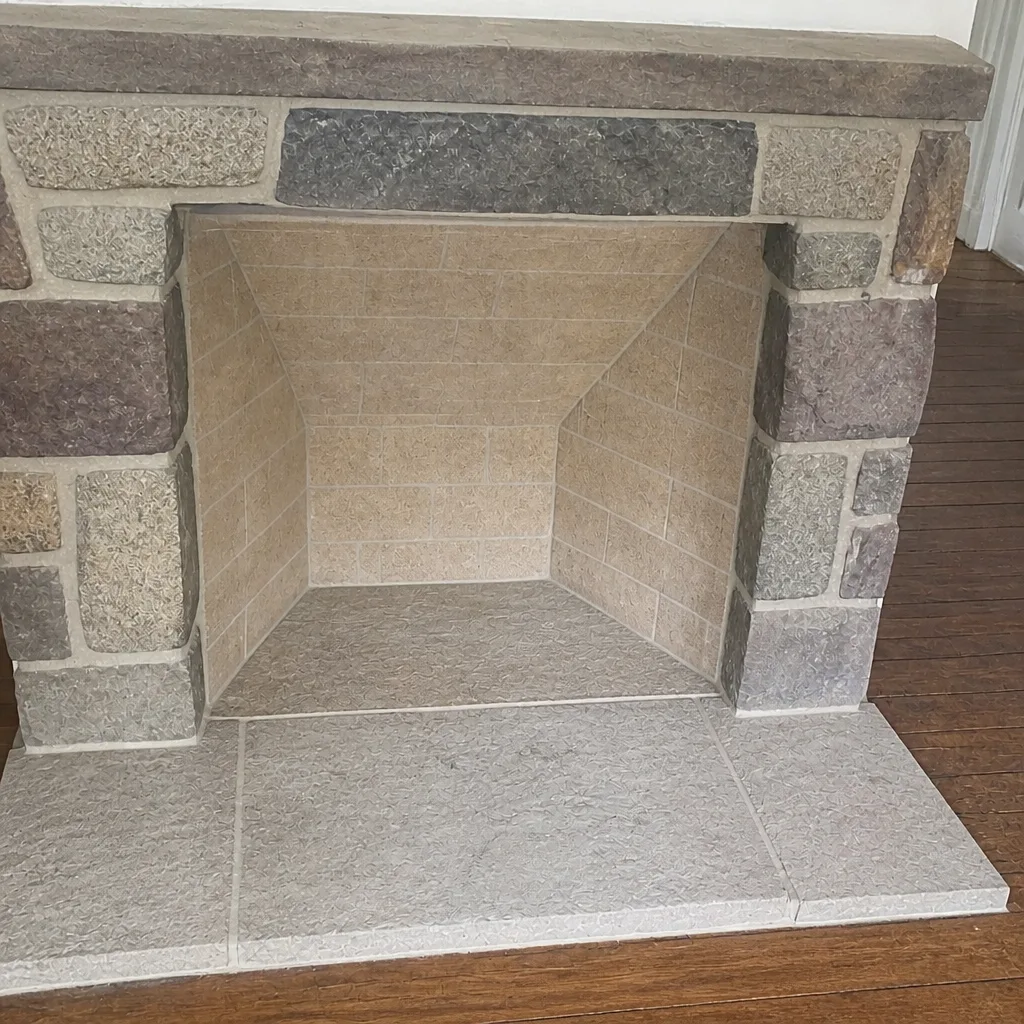
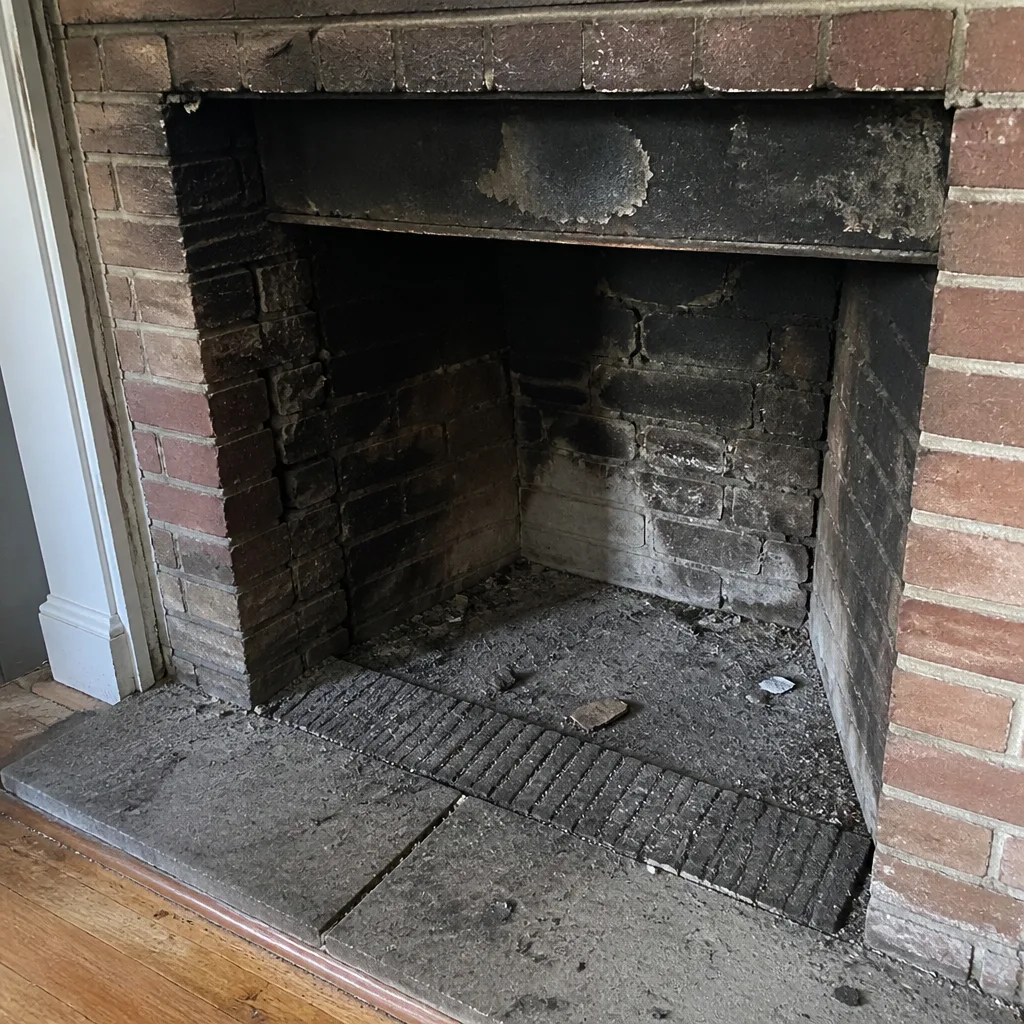
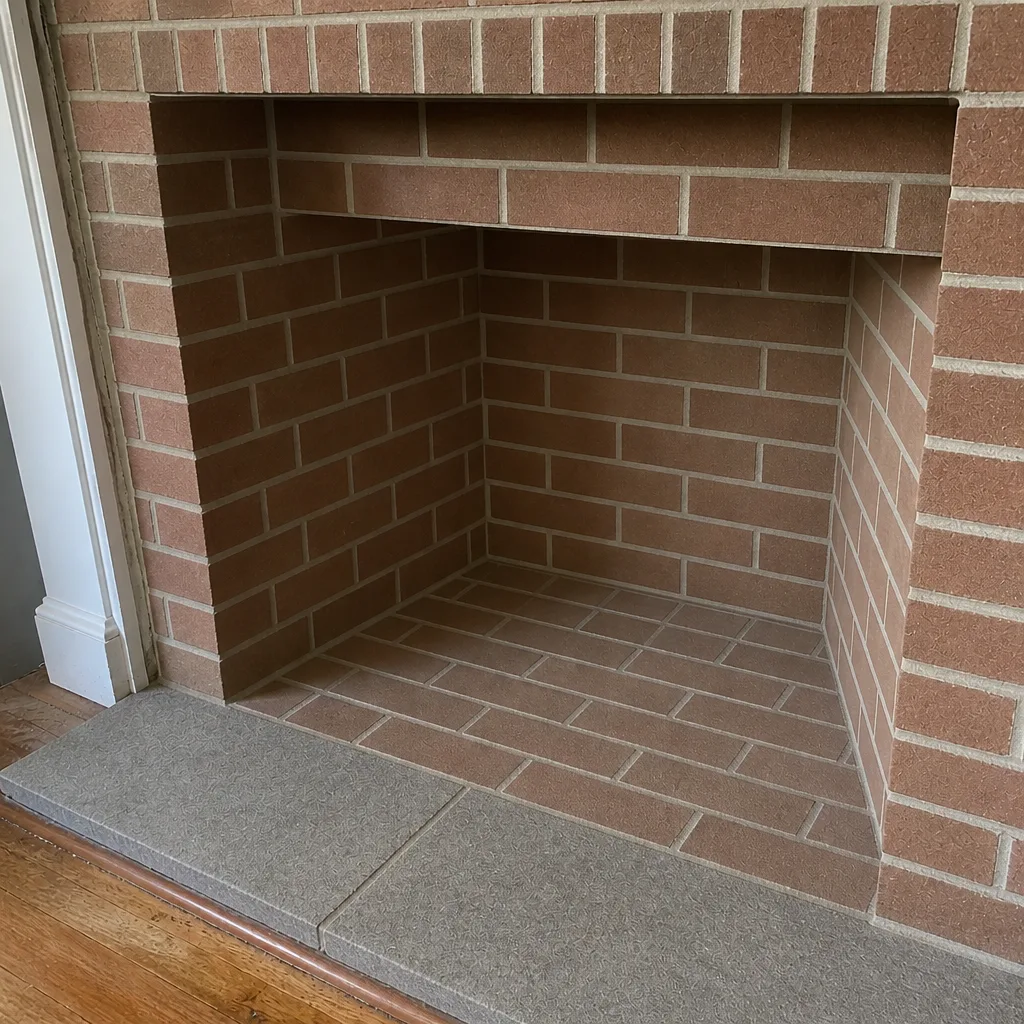
See the difference
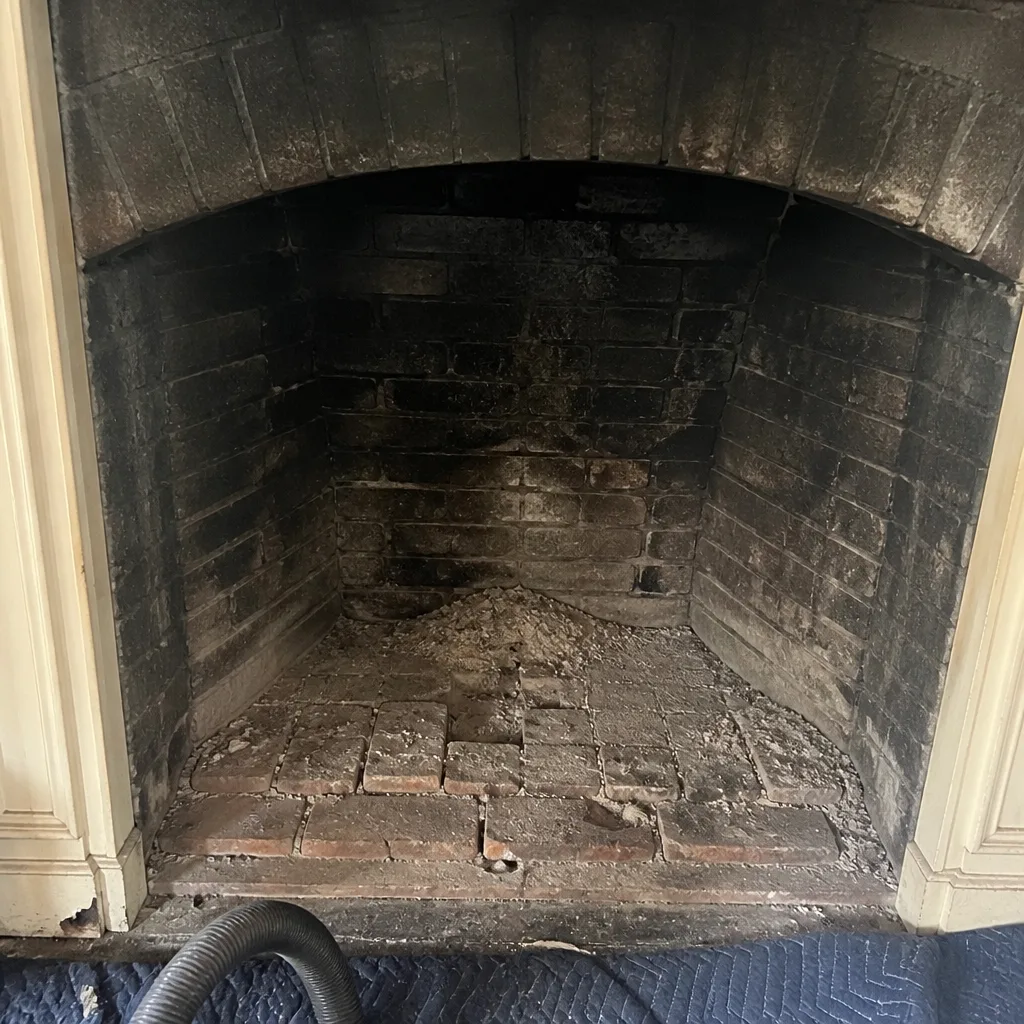 Before
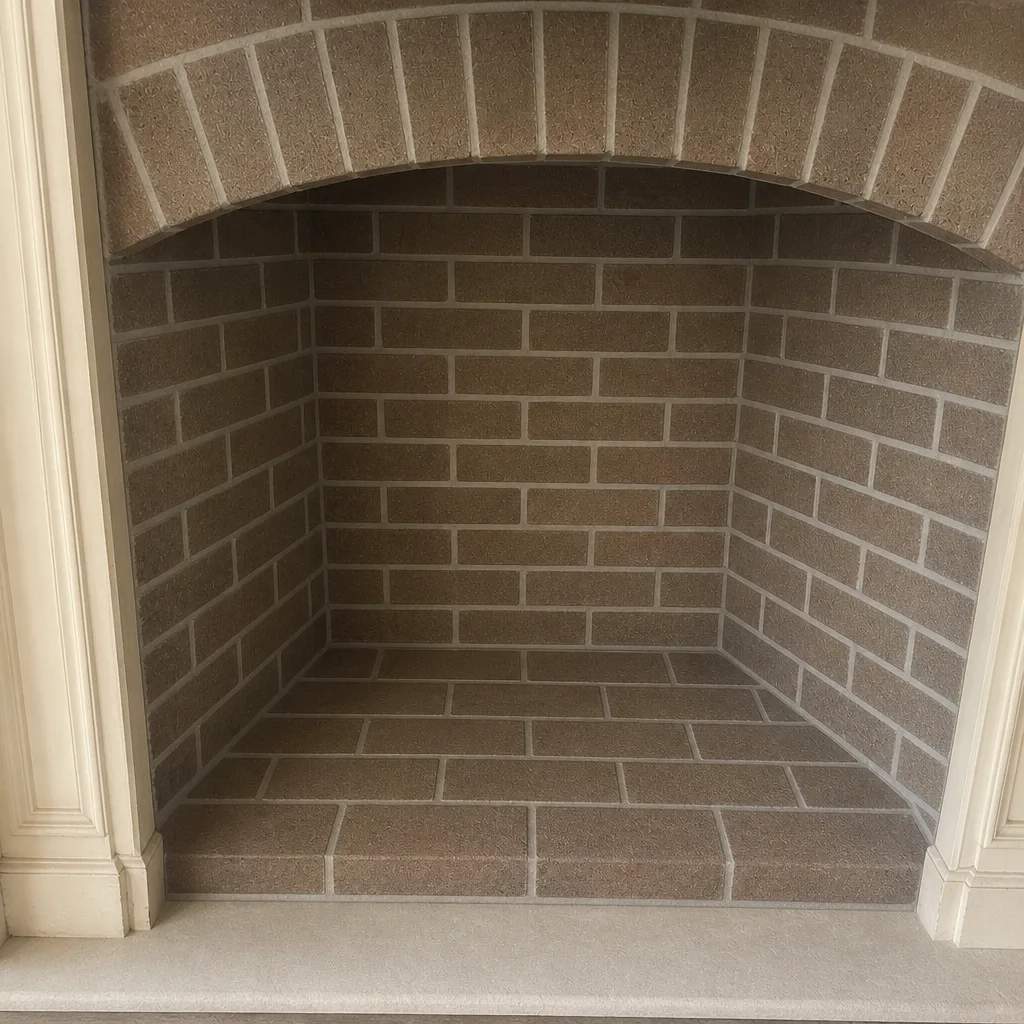 After
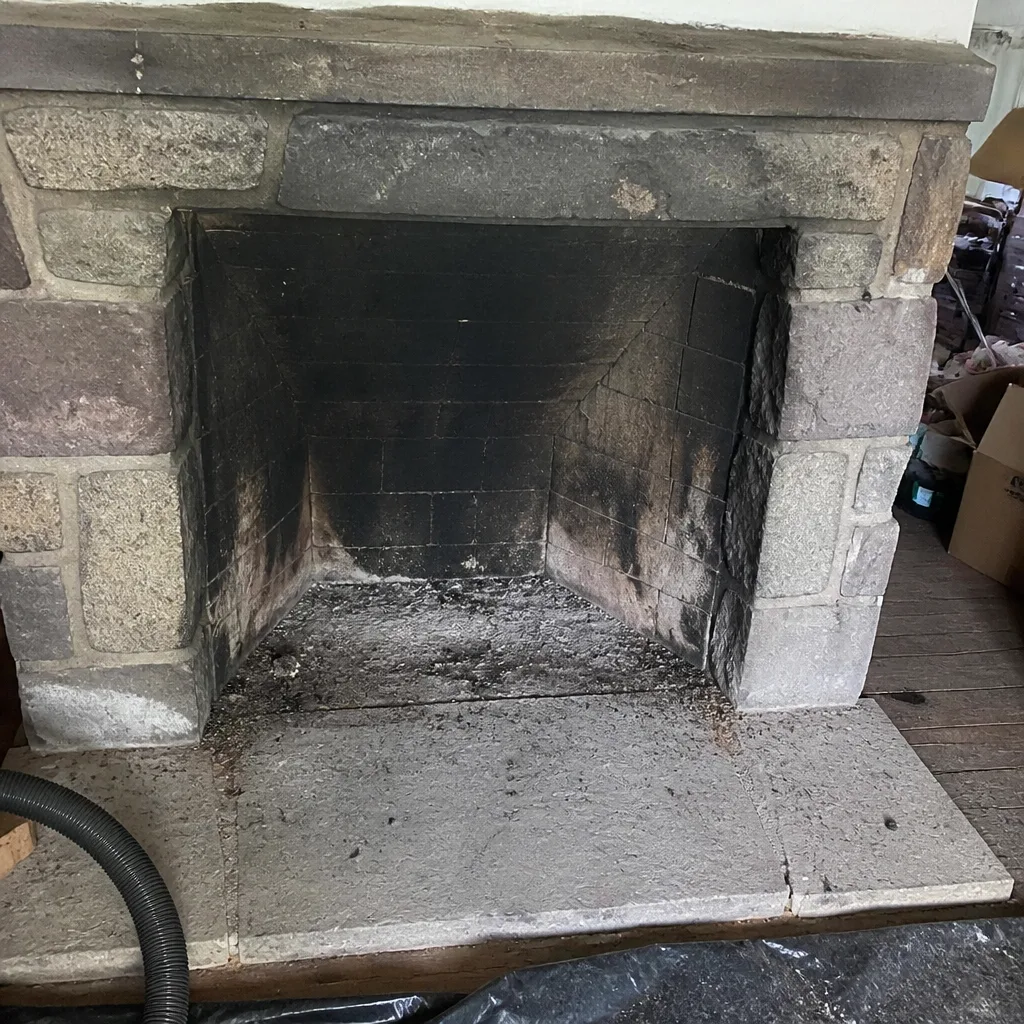 Before
 After
 Before
 After
When to Call a Professional
Call a specialist when the issue involves any of these: a new appliance going into an existing flue, a draft problem that’s changed in character, visible masonry damage on the chimney above the roofline, a home purchase where you need a documented Level 2, or any question about whether a job requires a permit. Those aren’t jobs for a generalist, and getting the filing right up front is cheaper than fixing it after a home sale. Chimney Sweep Highbridge offers free estimates in Highbridge – call (833) 513-8797. We answer 24/7. Fast dispatch from 7am to 7pm, Sunday through Friday.
Frequently Asked Questions
No. Routine chimney cleaning is maintenance and does not require a permit in New York. The jobs that typically do require a permit are liner installation, structural masonry repair, certain crown replacements, and new gas appliance connections. If you’re unsure which category your job falls into, call (833) 513-8797 for an exact answer before you book – estimates are free.
A Level 2 inspection is a comprehensive evaluation of the chimney system, including video scanning of the flue when needed, and it’s documented in a written report. It’s typically triggered by a home purchase, a chimney event like a fire or flue collapse, or an appliance change. In a Highbridge real estate transaction, the buyer’s lender or inspector will often require a documented Level 2 before the sale closes. Book it early enough that any findings can be addressed before the closing paperwork is due – call (833) 513-8797 for an exact quote on a standalone Level 2.
The strongest proof is the permit filing and the close-out documentation, plus the manufacturer’s paperwork for the product installed. When we install a DuraFlex or Olympia Chimney liner in Highbridge, the manufacturer’s documentation goes to the homeowner as part of the record. If the job was done without a permit and without documentation, you can’t verify it – which is exactly the exposure an insurer flags. Call (833) 513-8797 for an exact quote on an inspection to document what’s actually in the flue.
It can, especially after a relining, a structural repair, or a new appliance connection. The documentation an insurer asks for typically includes the permit filing and close-out documents, the manufacturer’s product paperwork, the inspection report, the written scope of work, and the contractor’s license and insurance information. If you’ve had chimney work done and you’re not sure what you have, call (833) 513-8797 for an exact quote on an inspection to produce the record – estimates are free.
You can, and a standalone inspection is often the right call – for a home purchase, or for a homeowner who wants to know the condition of the system before committing to work. What you can’t do is substitute a sweep for a Level 2 when a Level 2 is legally required. The two are different services with different documentation. Call (833) 513-8797 for an exact quote on either one.
Two things can go wrong. The system can degrade quietly – creosote buildup, a cracked flue tile, a draft change – until a CO detector, a home sale, or a chimney event forces the conversation. And the paper trail can develop a gap that’s expensive to close after the fact. The reason to act is not the fine – it’s that a clean, documented, code-compliant chimney system is the one your insurer can back. Call (833) 513-8797 for an exact quote – estimates are free.
The Bottom Line
Routine cleaning is maintenance and doesn’t need a permit. Relining, structural repair, certain crown work, and new gas appliance connections do – and in Highbridge, that work falls under NYC Building Code Section BC 28 as it applies in the Bronx. A Level 2 inspection is a separate service, required for real estate transactions, chimney events, and appliance changes, and it needs to be documented in a written report. Confirm the permit before work begins, keep the manufacturer’s documentation for the product installed, and file the close-out paperwork. If a piece is missing, an inspection and documentation service can build the record back up. The goal isn’t paperwork for its own sake. It’s a chimney system your insurer can verify and a home you can sell.
Written by the team at Chimney Sweep Highbridge.