
Last updated November 25, 2026
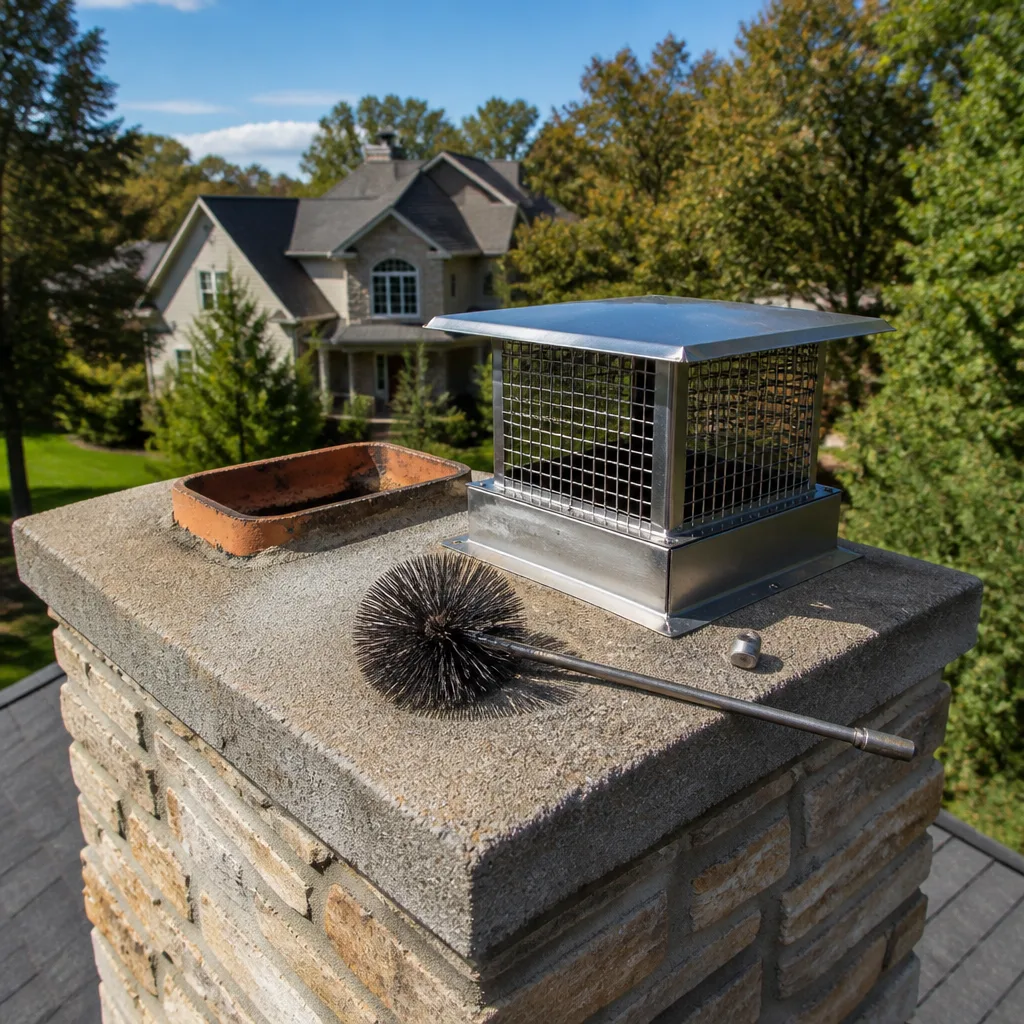 Sweep & inspection
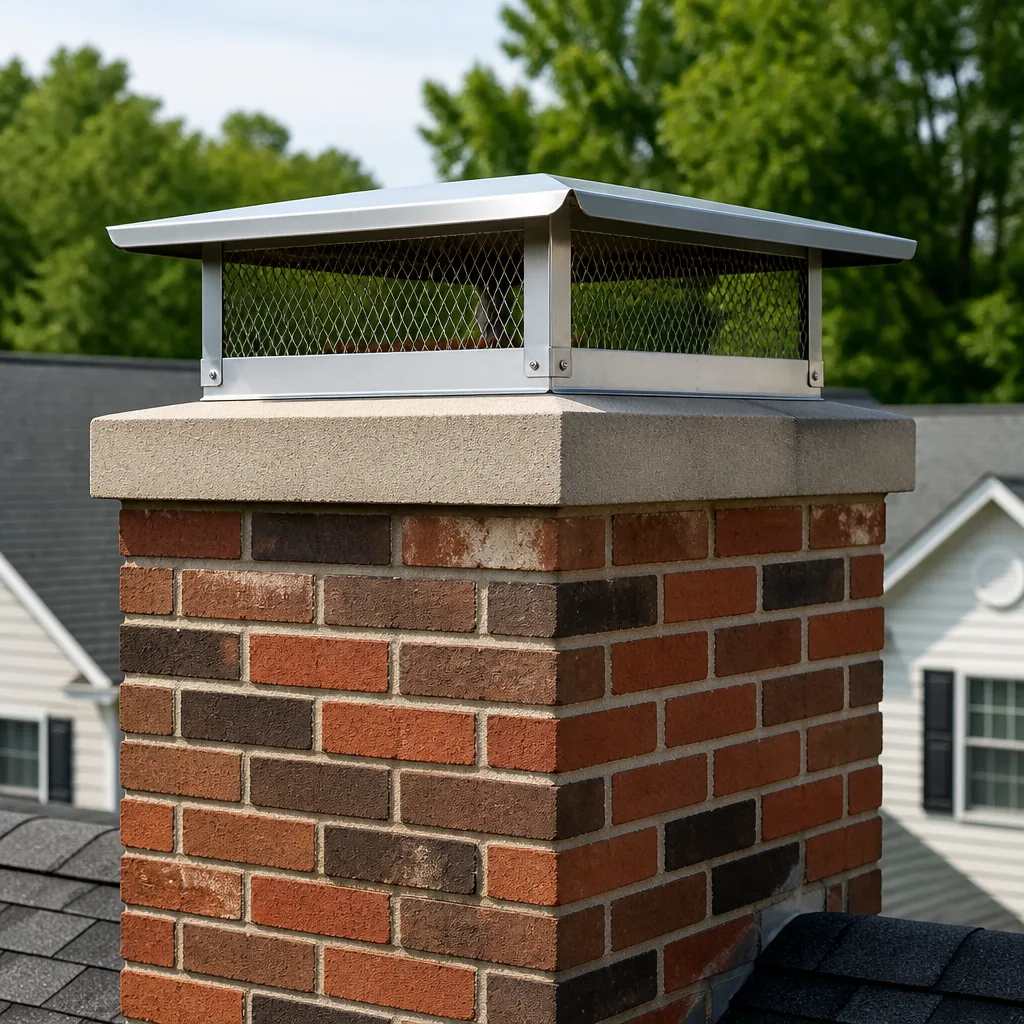 Caps & crowns
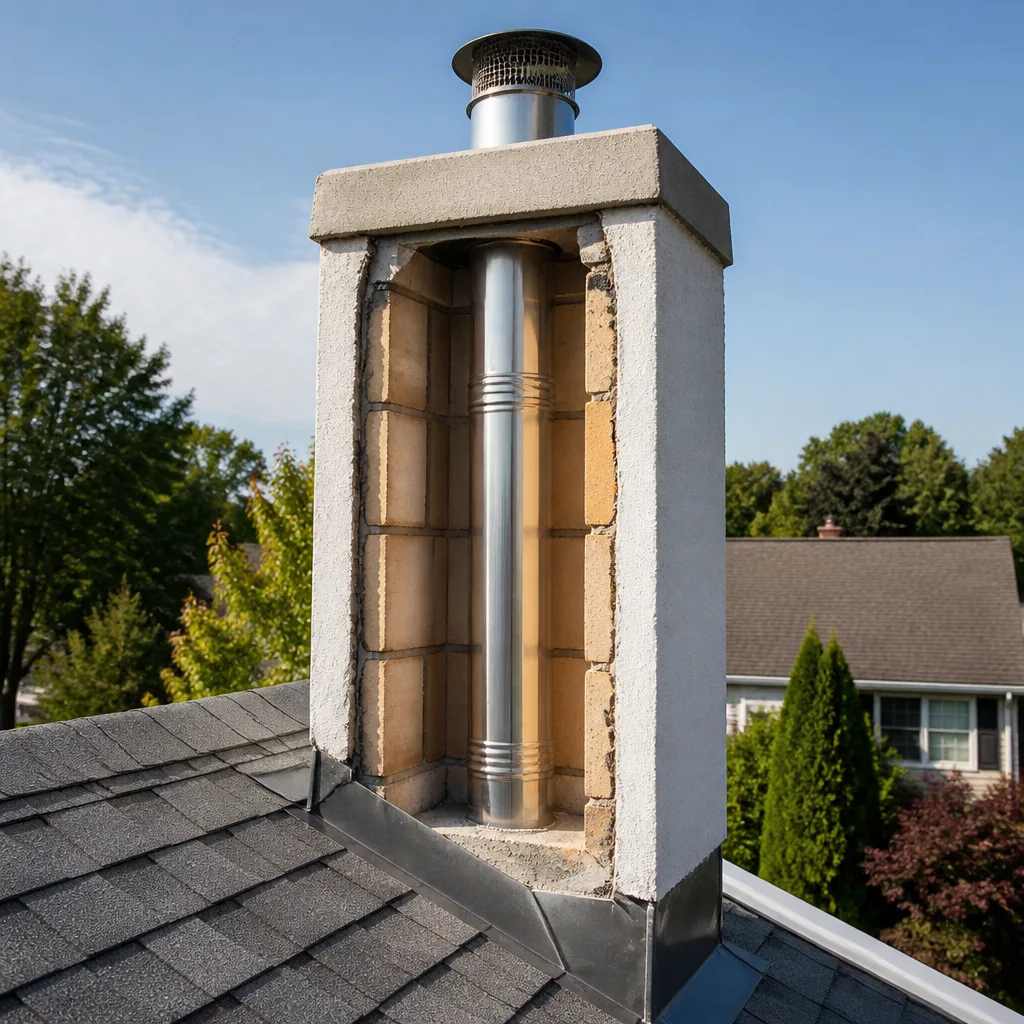 Flue relining
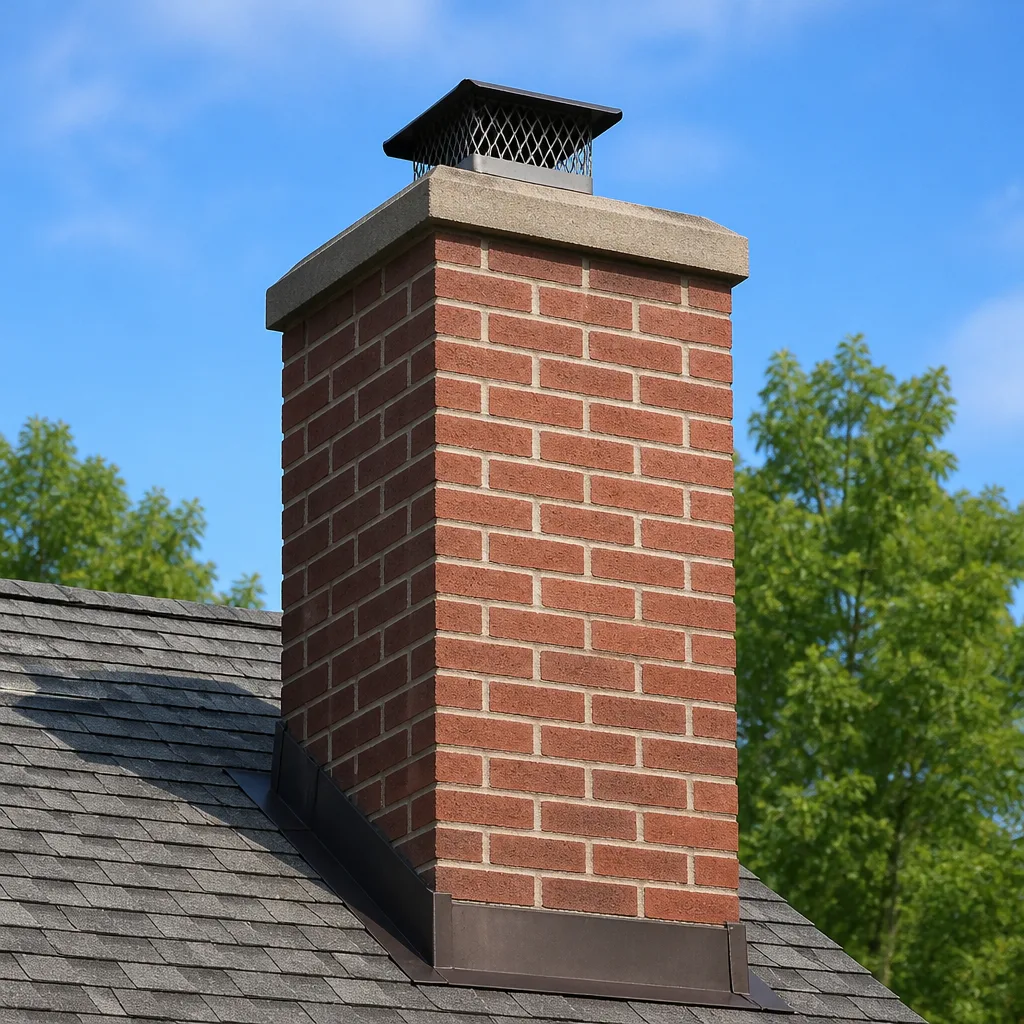 Masonry repair
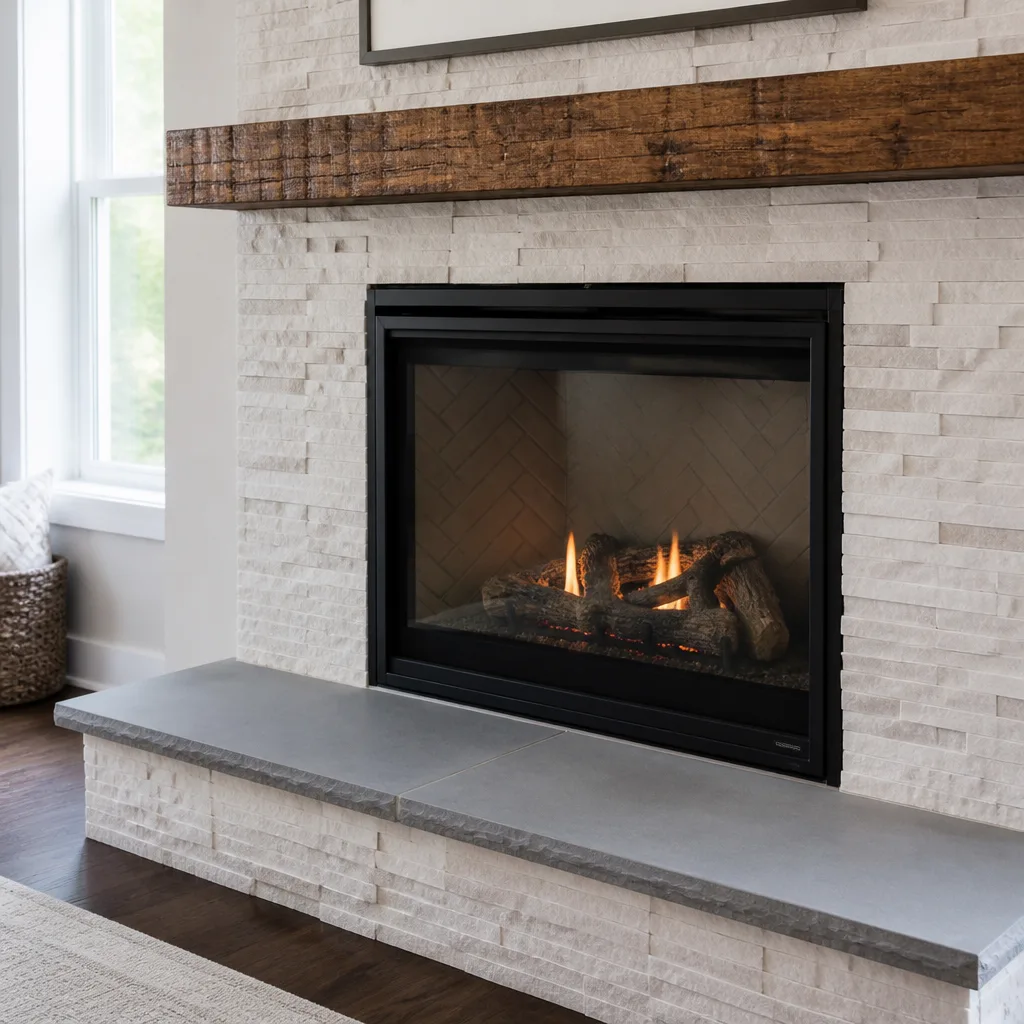 Gas fireplace service
Level 1 sweep and inspection to the NFPA 211 annual standard - flue, crown, cap, and flashing checked and photographed
Chimney sweep logs do not sweep chimneys. They loosen some creosote - which then falls where a brush and vacuum still have to collect it.
Chimney Cleaning Emergency Preparedness Guide for Highbridge Homes
A chimney fire rarely announces itself the way people expect. Most of us picture a dramatic crack or a bang. In our experience, the sound is usually a low roar, a rumble that builds, or something closer to a train passing far off. That mismatch between expectation and reality is what costs homeowners the response window. The first 90 seconds matter, and you can’t use them if you don’t recognize what you’re hearing. This guide covers the three things worth having ready before burning season in Highbridge: what a chimney fire actually sounds, smells, and looks like from inside the house; a clear response protocol; and the documentation that tells first responders what they’re walking into. No alarmism. Just preparation.
Quick Answer
A chimney fire emergency in Highbridge is best handled by preparing three things before you ever light a fire: the ability to recognize the specific sensory cues of a chimney fire, a practiced 90-second response plan, and an accessible folder of chimney documentation for first responders. Chimney fires are survivable and containable when you recognize them early, and a properly maintained chimney with an intact liner, a fitted cap, and documented clearances changes the outcome of a worst-case event. Our technicians have up to 8 years of experience, and we’ve walked Highbridge homeowners through this preparation many times.
Styles & brands we work with
- Sweep & inspection
- Caps & crowns
- Flue relining
- Masonry repair
- Gas fireplace service
Table of Contents
- What a Chimney Fire Actually Looks, Smells, and Sounds Like
- The 90-Second Response Protocol
- Documentation to Keep Ready for First Responders
- Post-Fire Protocol and the Level 2 Inspection
- How Maintenance Changes the Outcome
- Highbridge Chimney Conditions Worth Knowing
- Early Warning Signs You Shouldn’t Ignore
- What Belongs in a Chimney Preparedness Kit
What a Chimney Fire Actually Looks, Smells, and Sounds Like
Before you can respond to a chimney fire, you have to recognize one. The sensory cues are specific, and once you know them you don’t forget them. Homeowners in Highbridge often tell us they expected something more obvious. Here’s what to listen for, smell for, and watch for.
Sound
- A low, sustained roar that builds over several seconds, similar to a distant train or a strong wind through a tunnel
- A crackling that’s louder and more persistent than ordinary fire noise, sometimes followed by a series of pops
- A rumbling vibration you can feel through the floor or wall near the chimney
Smell
- A hot, acrid, almost metallic smell, sharper than normal wood smoke
- Smoke entering the room through the appliance or through small cracks near the chimney
- A burning-dust smell that lingers even after the fire is out
Sight
- Dense smoke or flames visible from the top of the chimney
- Sparks or embers shooting from the chimney cap
- Discoloration or scorch marks on the chimney exterior
- A puffy, hazy look to the smoke coming out of the stack compared to the thin, wispy plume of a normal fire
If any of these match what you’re experiencing, treat it as real until proven otherwise. The cost of being wrong about a false alarm is much lower than the cost of ignoring a real fire. When we conduct a chimney sweep in Highbridge, part of what we’re checking is whether the conditions that lead to a chimney fire have started to build up.
The 90-Second Response Protocol
In the first 90 seconds after you recognize a chimney fire, the actions you take make the biggest difference. Practice this sequence mentally now so you don’t have to think it through in the moment. It’s four steps, in order, and none of them require special tools.
- Shut the appliance down. Close the glass doors or the appliance door if the fire is inside a fireplace or stove, then close the damper. Cutting the air supply starves the fire and slows the spread. Don’t open the door again to check; you’ll feed it oxygen.
- Get everyone out and call 911. Evacuate the house immediately. From outside, call 911. Do not re-enter for belongings. The evacuation trigger point is simple: at the first sign of a chimney fire, everyone leaves, no exceptions.
- Tell FDNY dispatch what matters. Give the address, say clearly “chimney fire,” and describe the structure: how many floors, whether the chimney is internal or external, and whether anyone is still inside. If you have the documentation folder we’ll discuss below, mention that you have it ready for them.
- Don’t use water on the fire. Never spray water down a hot chimney. The thermal shock can crack the flue liner or the masonry. Let the fire department handle suppression.
Notice what’s not on this list: trying to inspect the chimney, checking the attic, or calling anyone other than 911 first. Every second you spend on something other than evacuation and calling is a second lost. After the emergency is over, call us at (833) 513-8797. We answer 24/7. Fast dispatch from 7am to 7pm, Sunday through Friday.
Documentation to Keep Ready for First Responders
When fire crews arrive, they need to know what kind of chimney they’re dealing with. An internal masonry chimney with a clay tile liner is a different structure from an exterior metal chimney with a stainless liner. The difference affects how they approach the fire and where they focus. A small folder, kept somewhere you can grab it on the way out, gives them what they need in seconds rather than minutes.
What to keep in the folder
- The most recent chimney inspection report, including the level of inspection performed and the inspector’s findings
- The liner type and material (clay tile, stainless steel, cast-in-place) and the flue dimensions
- Any documentation of past repairs, especially liner replacement or relining work
- A basic diagram of the chimney location, interior or exterior, and the appliances connected to it
- Records of clearances to combustibles, if they’re noted in your inspection report
If you don’t have these documents, a standalone inspection will produce them. We offer chimney inspection as its own service, which means you can get the report and the documentation without committing to any other work. That’s exactly the kind of objective record you want on hand. Store the folder near your home’s main exit, labeled clearly. When a real emergency happens, you won’t have time to hunt through file cabinets.
Post-Fire Protocol and the Level 2 Inspection
After a chimney fire, the chimney cannot be used again until a Level 2 inspection is completed. This isn’t a suggestion or a sales tactic; it’s the standard the industry follows because a chimney fire can damage a liner in ways that aren’t visible from the outside or from inside the firebox. Using a chimney with a compromised liner risks smoke and carbon monoxide entering the home, and it risks a second fire in a structure that’s already been weakened.
What a Level 2 inspection looks for
- Cracks, gaps, or spalling in the flue liner
- Damage to the chimney crown and cap, which are the primary water-entry points
- Clearance failures between the chimney and combustible framing
- Mortar joint deterioration in the masonry
- Warping or separation in metal chimney sections
- Debris accumulation, including creosote that survived the fire
A Level 2 inspection typically involves video scanning of the flue to see the interior of the liner. Repairs that follow will depend on what the scan shows. Sometimes a liner can be resurfaced using the HeatShield system, which restores the existing liner without a full replacement. Sometimes a full reliner using DuraFlex stainless steel is the right answer. The inspection tells you which; we don’t recommend either without the evidence. Any structural damage discovered in the inspection may need chimney repair, and the crown and cap are often the first things we address.
How Maintenance Changes the Outcome
The difference between a chimney fire that stays contained and one that causes serious damage often comes down to maintenance performed well before the fire ever starts. A chimney that’s been regularly cleaned and inspected has less creosote to fuel a fire, a liner in known-good condition, and documented clearances that give the fire department a starting point they can trust. A neglected chimney has none of these, and responders are working with unknowns.
The three maintenance essentials
- Regular sweeping. Creosote is what burns in a chimney fire. Keeping the flue clear is the single most effective prevention. We recommend a sweep each year before the heating season begins. Our Chimney Sweep Highbridge team can schedule a sweep at a time that works for you.
- A fitted cap. A properly fitted cap keeps rain, animals, and debris out, and it’s a critical spark arrestor. We install caps from brands like Gelco, Famco, and Olympia Chimney, and we match the cap to the flue; a generic hardware-store cap doesn’t always fit the way it should. See our chimney cap & crown work for more detail.
- An intact crown. The crown sheds water away from the chimney. A cracked crown lets water into the masonry, which degrades the structure over time. Crown repair is part of the same annual check.
The outcome in a real emergency is measurable: a well-maintained chimney has less fuel, a known liner condition, and answers ready when someone asks. That’s a meaningfully different situation from one where the first responder is guessing.
Highbridge Chimney Conditions Worth Knowing
Highbridge sits in a part of the Bronx that has its own set of conditions worth thinking about for chimney maintenance. The housing stock here is largely older, which means most chimneys are of a style that predates modern liner and clearance standards. That doesn’t mean they’re unsafe, but it does mean the inspection record matters more than it would in newer construction. Pre-war and mid-century chimneys often have clay tile liners that have aged, or have been altered over the years by previous owners.
The climate in Highbridge gives us a real winter burning season, often stretching from late October into March. That’s a lot of fires in a compressed window, and creosote buildup happens faster in a hard-working chimney than in one that sees occasional use. The cool, damp shoulder seasons matter too: moisture that gets into an uncapped or poorly capped chimney can freeze and expand inside the masonry, widening small cracks into real problems.
If you’re new to Highbridge and haven’t had your chimney inspected, a standalone inspection is the place to start. If you’ve been in the neighborhood a while and can’t remember your last sweep, it’s probably time. We work across Highbridge and the surrounding Bronx neighborhoods, and we can help you figure out where your chimney stands before you need it to perform in an emergency.
Early Warning Signs You Shouldn’t Ignore
Most chimney fires don’t happen without warning. There are almost always signs in the days and weeks before, and recognizing them gives you the chance to prevent a fire rather than respond to one. Here’s what we tell Highbridge homeowners to watch for:
- Increased smoke from the firebox. If the fireplace is suddenly smoky even when the damper is open, airflow is being restricted by buildup.
- A stronger, sharper smell. Wood smoke should smell like wood. A hot, acrid edge to the smell means the creosote is heating up.
- Popping or crackling sounds from the firebox. A little crackle is normal; frequent loud pops are not.
- Dark, puffy smoke from the chimney top. This suggests the flue isn’t drafting cleanly.
- Visible creosote on the flue. You can usually see this from inside the firebox with a flashlight. Thick or glazed creosote is the high-risk kind.
- Chimney discoloration or a hot exterior. If the outside of the chimney feels warm, that’s a warning sign.
Any of these is a reason to schedule a sweep or inspection. None of them is a reason to panic; they’re a reason to act before burning season or before your next fire. The chimney sweep we perform addresses all of these by removing the creosote that drives them.
What Belongs in a Chimney Preparedness Kit
A preparedness kit for a chimney emergency doesn’t need to be elaborate. Ours is a small container kept near a home’s primary exit, and it takes about 30 minutes to put together. The idea is to have everything you’d want to grab on the way out already in one place.
- A printed and labeled copy of your most recent inspection report
- Your chimney liner documentation (type, dimensions, material) in a single sheet
- A flashlight and a spare set of batteries
- Key contact numbers: fire department non-emergency line, your chimney service, and the local utility
- A small list of who to call after the fire department has cleared the scene
- Any relevant insurance documents for the property
Review the folder once a year, ideally right before heating season. Update the inspection report after each inspection. Make sure everyone in the household knows where the kit is and what’s in it. This is a small piece of preparation that pays off in ways you’ll be glad for.
Common Mistakes to Avoid
- Hosing down a hot chimney. Water on a hot liner can crack it and force a full reliner onto your to-do list when a lesser repair might have been enough. Let the fire department handle suppression; water isn’t a DIY tool for chimney fires.
- Reopening the appliance door to “check.” Every opening feeds the fire oxygen. Once you’ve closed the door and the damper, leave them closed.
- Going back inside for possessions. Nothing in the house is worth a second trip through a burning structure. Evacuation means everyone, no exceptions.
- Assuming the chimney is fine after the fire is out. A chimney fire can leave liner damage you can’t see. The Level 2 inspection isn’t optional; it’s what determines whether the chimney is safe to use again.
- Skipping the annual sweep because the fire “seems to burn fine.” A well-behaved fire is not evidence of a clean flue. Creosote can build up in a chimney that drafts perfectly.
- Buying a generic cap off the shelf. A cap that doesn’t fit properly can be worse than no cap. Brands like Famco and Copperfield make purpose-built caps sized to the flue; a hardware-store generic often isn’t.
- Waiting for spring to schedule a sweep. Book during the shoulder season. Once heating season starts in Highbridge, the calendar fills quickly.
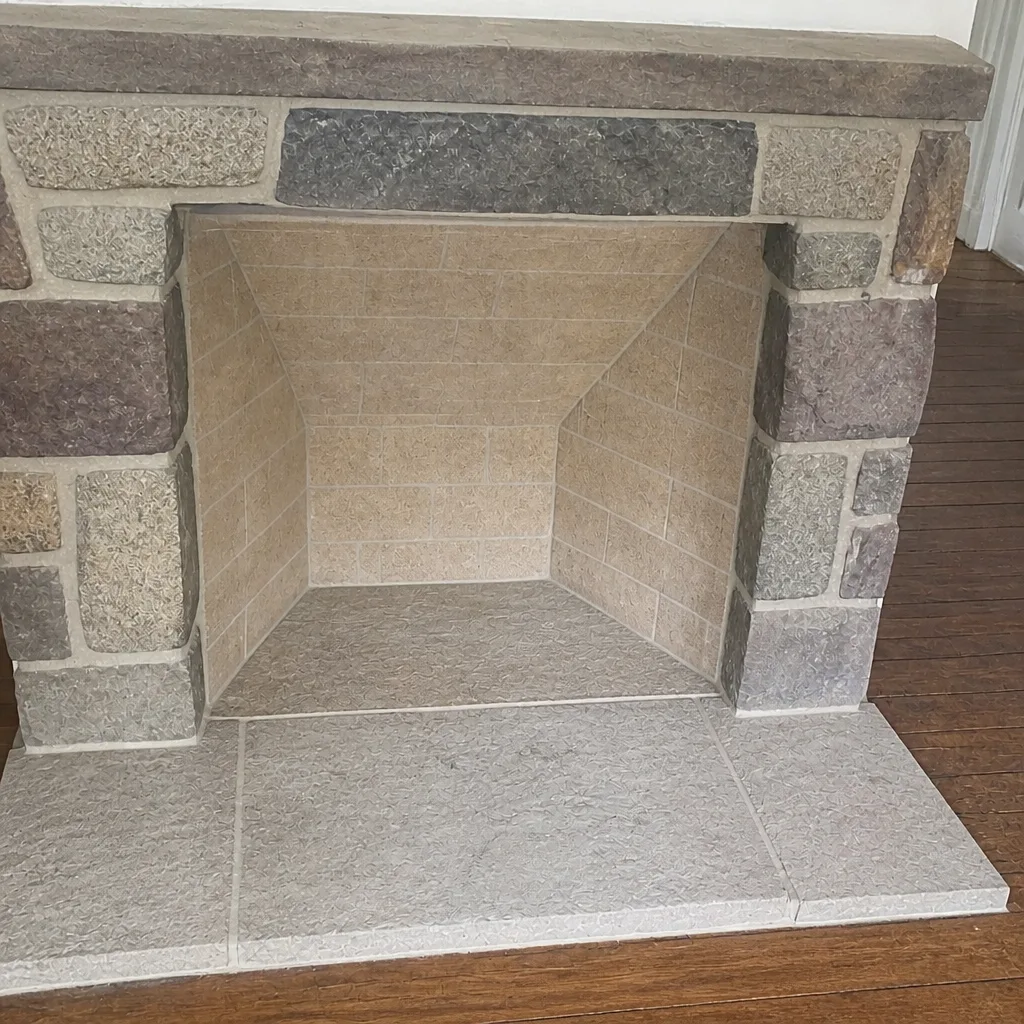
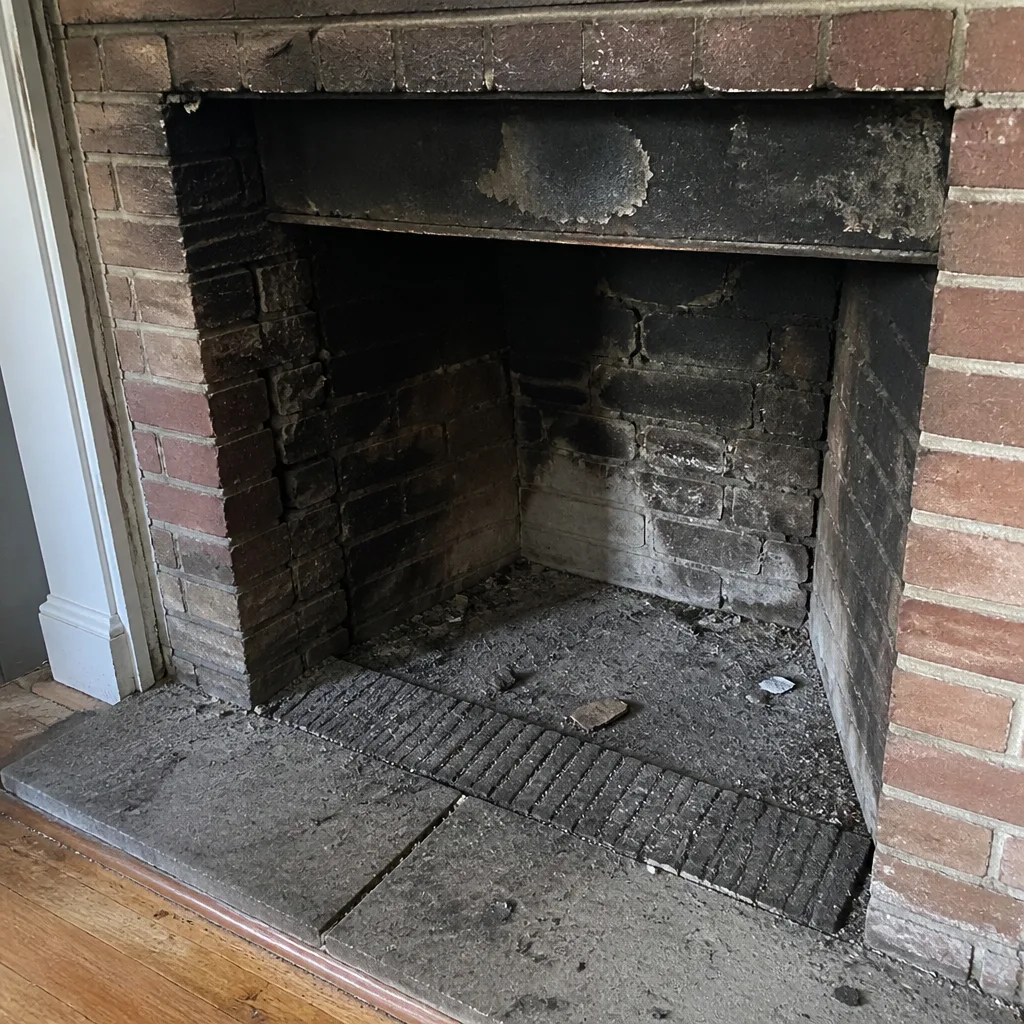
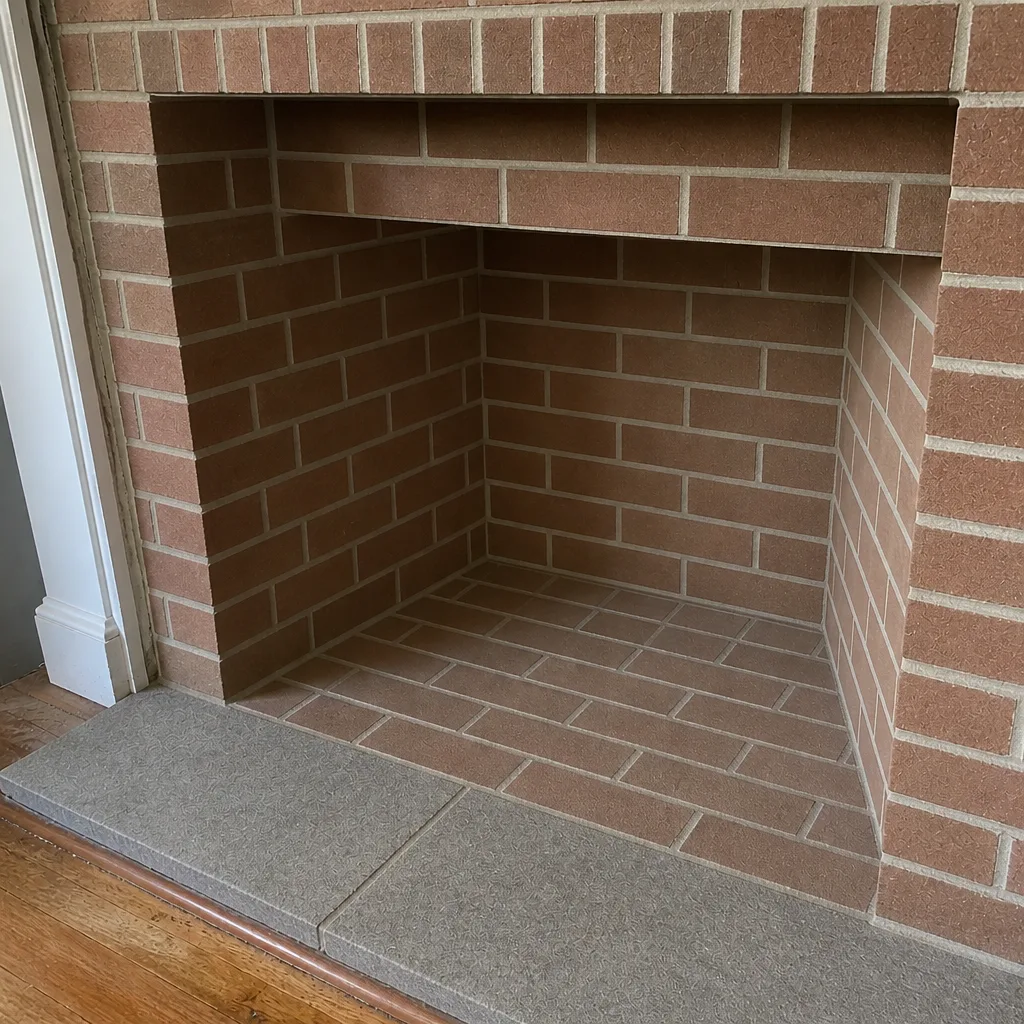
See the difference
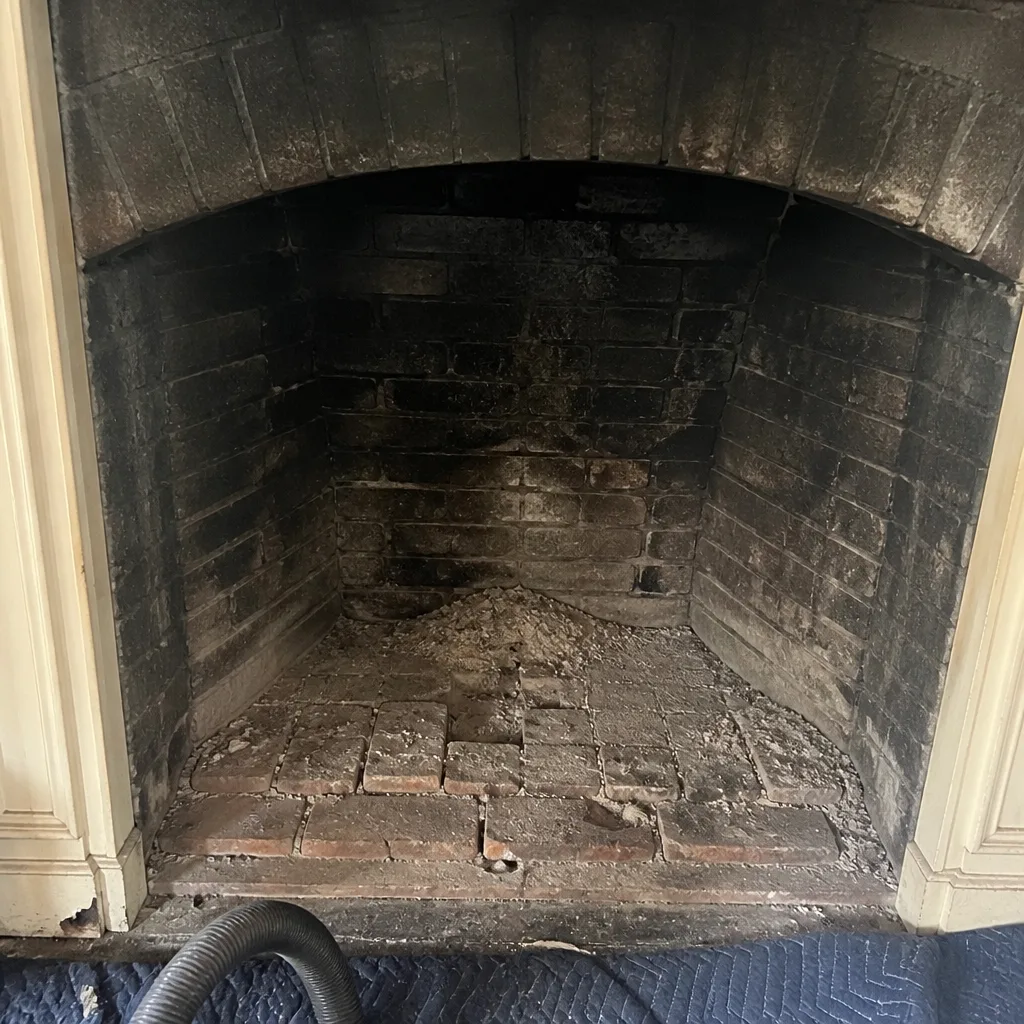 Before
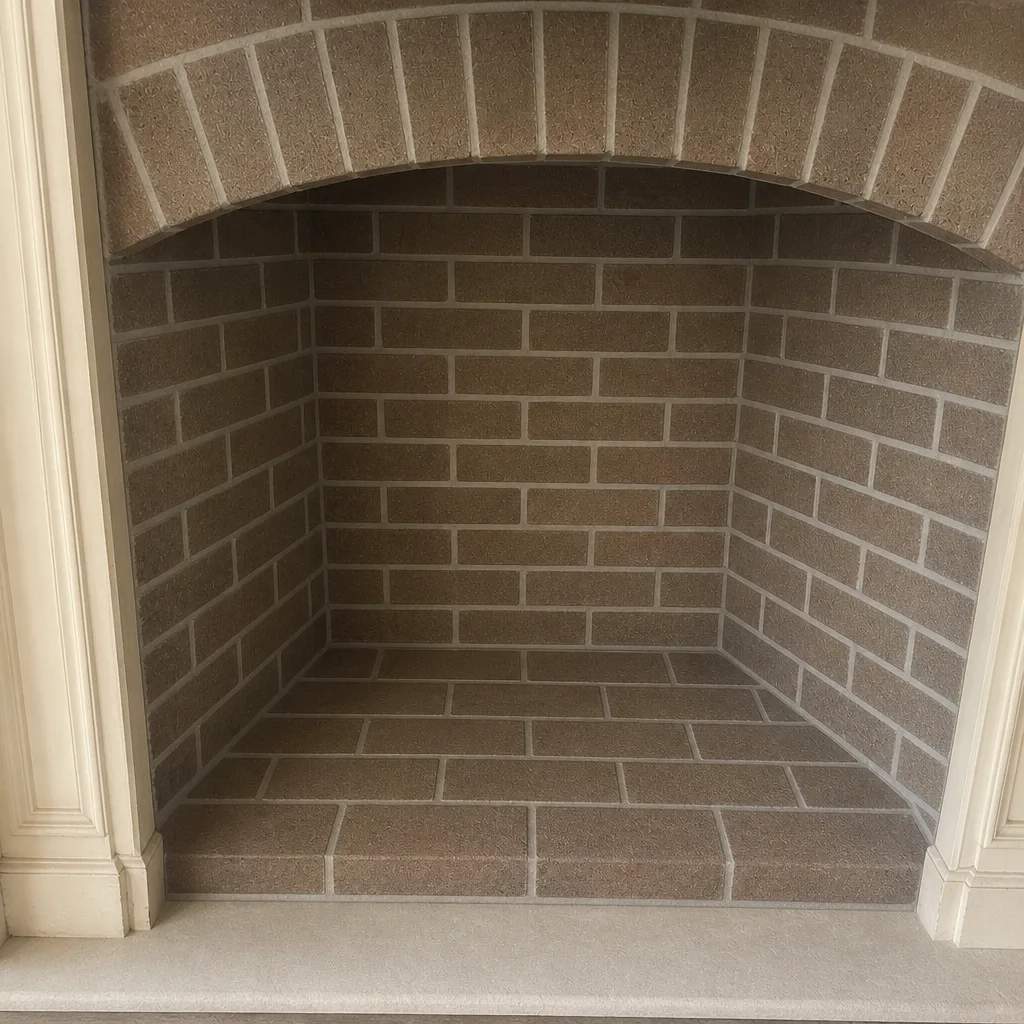 After
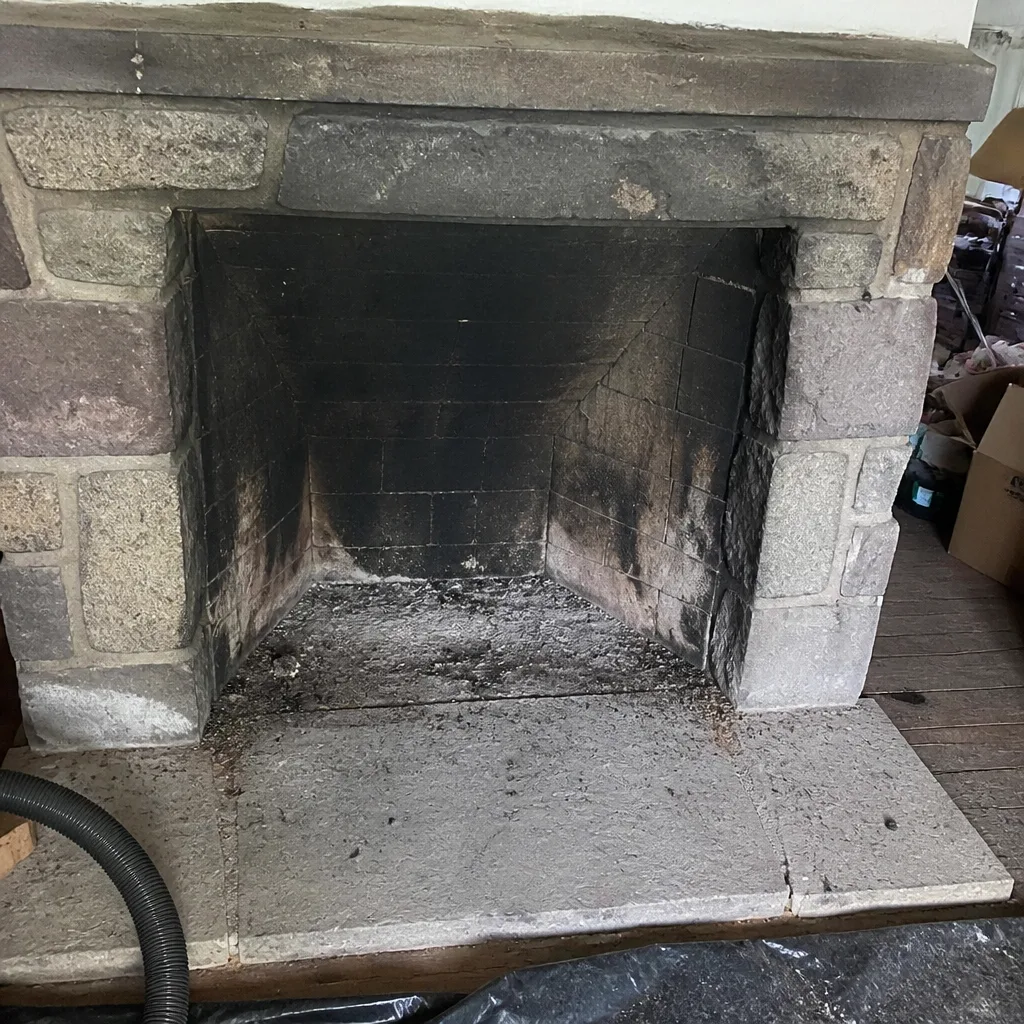 Before
 After
 Before
 After
When to Call a Professional
Some chimney work is worth doing yourself; most isn’t. Sweeping, inspection, cap and crown work, and liner assessment all require tools, access, and training that homeowners don’t typically have. If you’ve had a chimney fire, you should call for a Level 2 inspection immediately. If your smoke detector or carbon monoxide detector has gone off while the fireplace was in use, that’s also a call. If you see creosote above a quarter-inch in the flue, or notice any of the early warning signs we listed above, it’s time to schedule. And if you’re not sure, that’s enough of a reason; a quick check beats a worry you can’t resolve.
Chimney Sweep Highbridge offers free estimates in Highbridge. Call (833) 513-8797. We answer 24/7. Fast dispatch from 7am to 7pm, Sunday through Friday. Our technicians have up to 8 years of experience, and we can schedule a sweep, a standalone inspection, or a repair assessment based on what your chimney actually needs.
Frequently Asked Questions
Most chimney fires sound like a low roar or rumble rather than a crack or bang, often described as a train passing in the distance. You may also hear louder-than-usual crackling or popping from the firebox. If the sound builds and persists, treat it as a real fire and evacuate.
Close the appliance door, close the damper to cut the air supply, get everyone out of the house, and call 911 from outside. Do not attempt to inspect the chimney or extinguish the fire yourself. Evacuation and calling come before everything else, and tell dispatch “chimney fire” and describe the structure.
Yes. A Level 2 inspection is standard practice after any chimney fire because it uses video scanning to assess liner damage that can’t be seen from outside. The chimney should not be used again until the inspection is complete and any damage is addressed. Call (833) 513-8797 to schedule one.
Once a year is the general standard, ideally before heating season begins. Highbridge’s long burning season, often from late October into March, means creosote can build up quickly in a chimney that gets heavy use. If you burn continuously, schedule the sweep before the season starts to be sure you’re ready.
Keep your most recent inspection report, liner type and dimensions, and records of past repairs in an accessible folder near your main exit. A simple diagram of the chimney’s location and connected appliances helps too. This gives fire crews the structural information they need without delay.
A properly fitted cap keeps water, debris, and animals out of the flue, which helps the chimney function as designed and extends the life of the liner and crown. It doesn’t prevent creosote buildup directly, but it does reduce conditions that contribute to deterioration. We install caps from Gelco, Famco, and Olympia Chimney to fit the specific flue.
The Bottom Line
Chimney fire preparedness in Highbridge isn’t about panic; it’s about knowing what to recognize, what to do in the first 90 seconds, and what to have ready for the people who respond. Learn the sensory cues of a chimney fire: the roar, the acrid smell, the puff of smoke. Practice the protocol: close the door, close the damper, get everyone out, call 911. And keep the documentation folder accessible so first responders aren’t guessing. Then stay ahead of the conditions that cause fires in the first place with an annual sweep, a fitted cap, and an intact crown. If you’d like to schedule a sweep, inspection, or repair assessment, call (833) 513-8797. Estimates are free, and we’re ready to help.
Written by the team at Chimney Sweep Highbridge.