
Last updated November 25, 2026
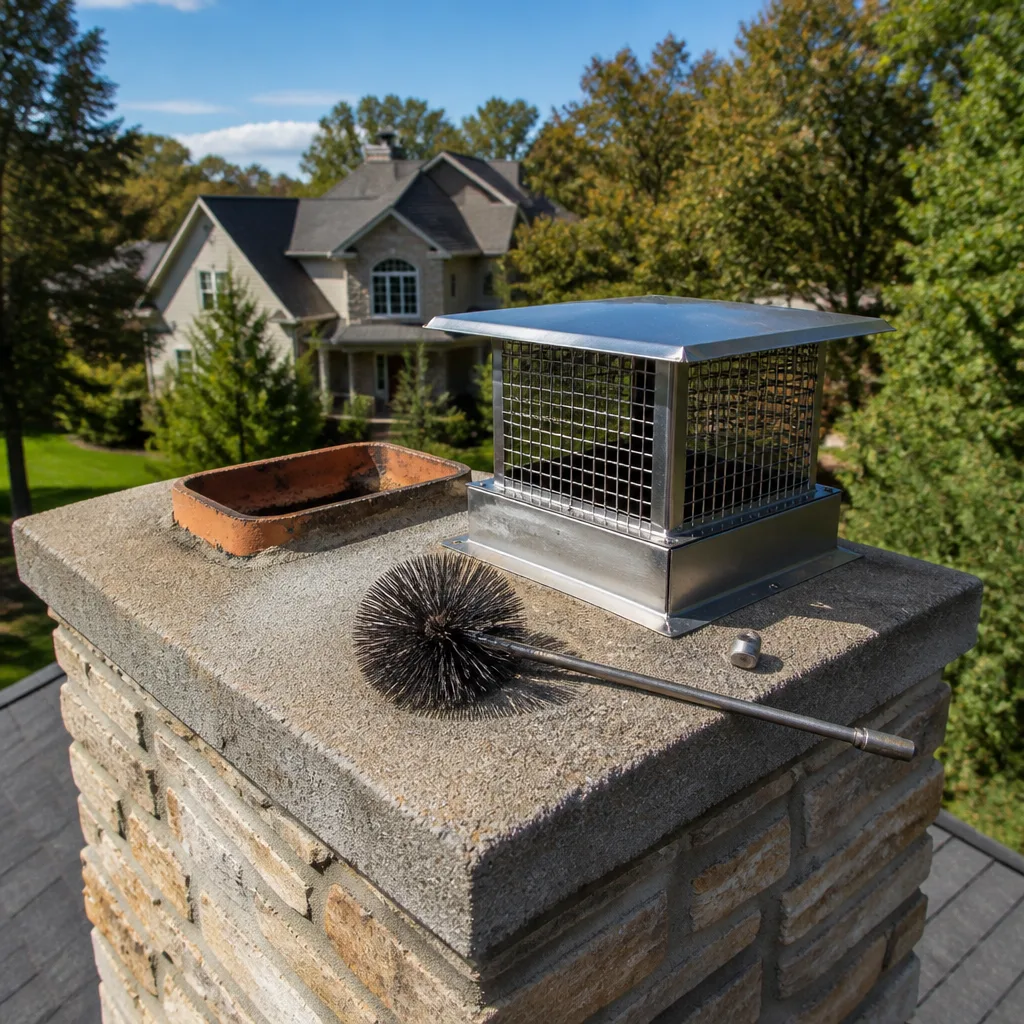 Sweep & inspection
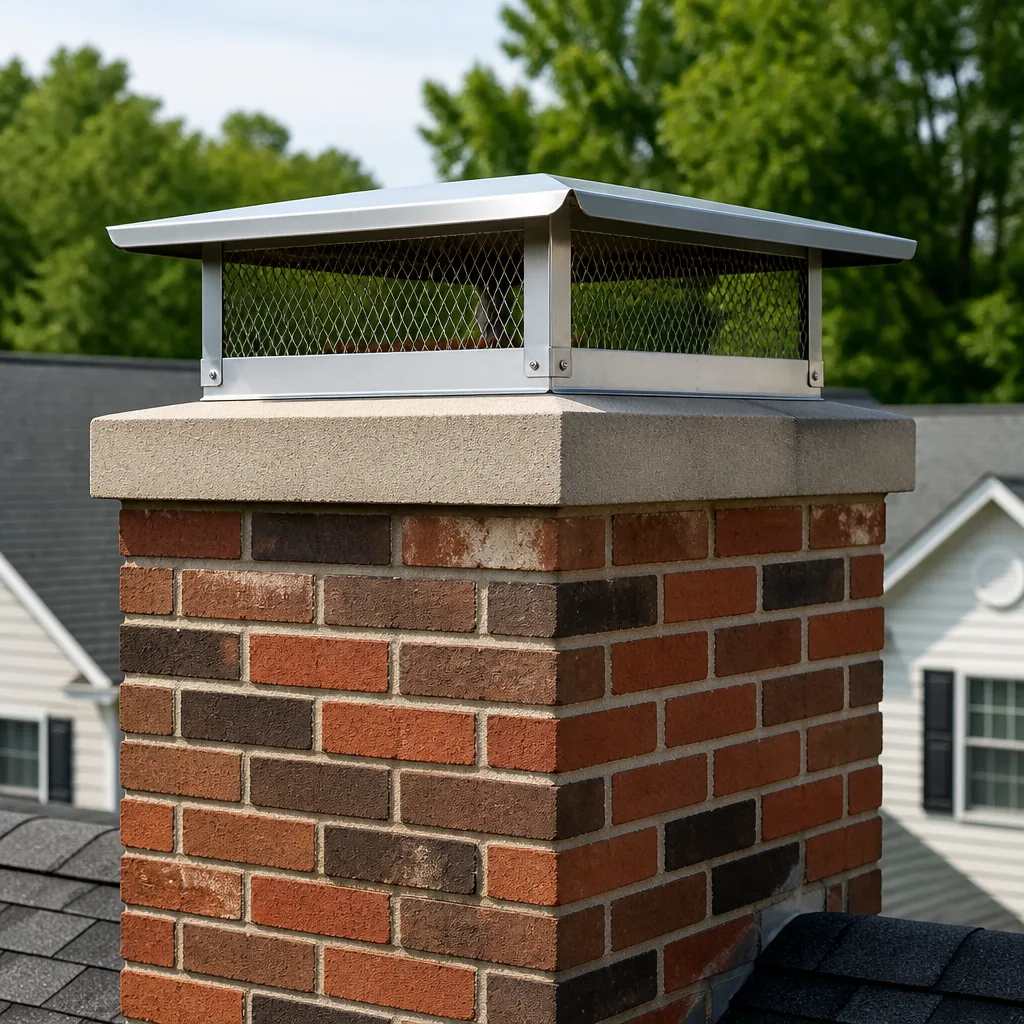 Caps & crowns
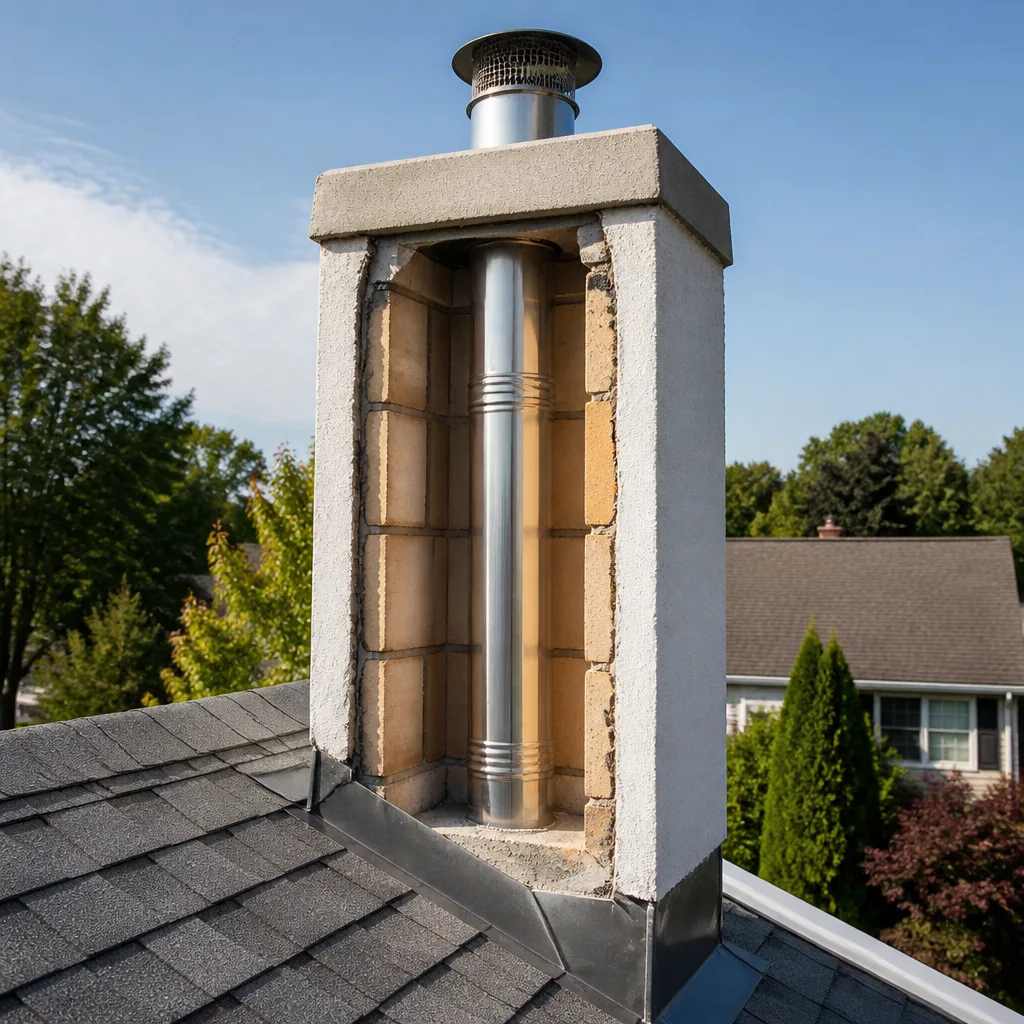 Flue relining
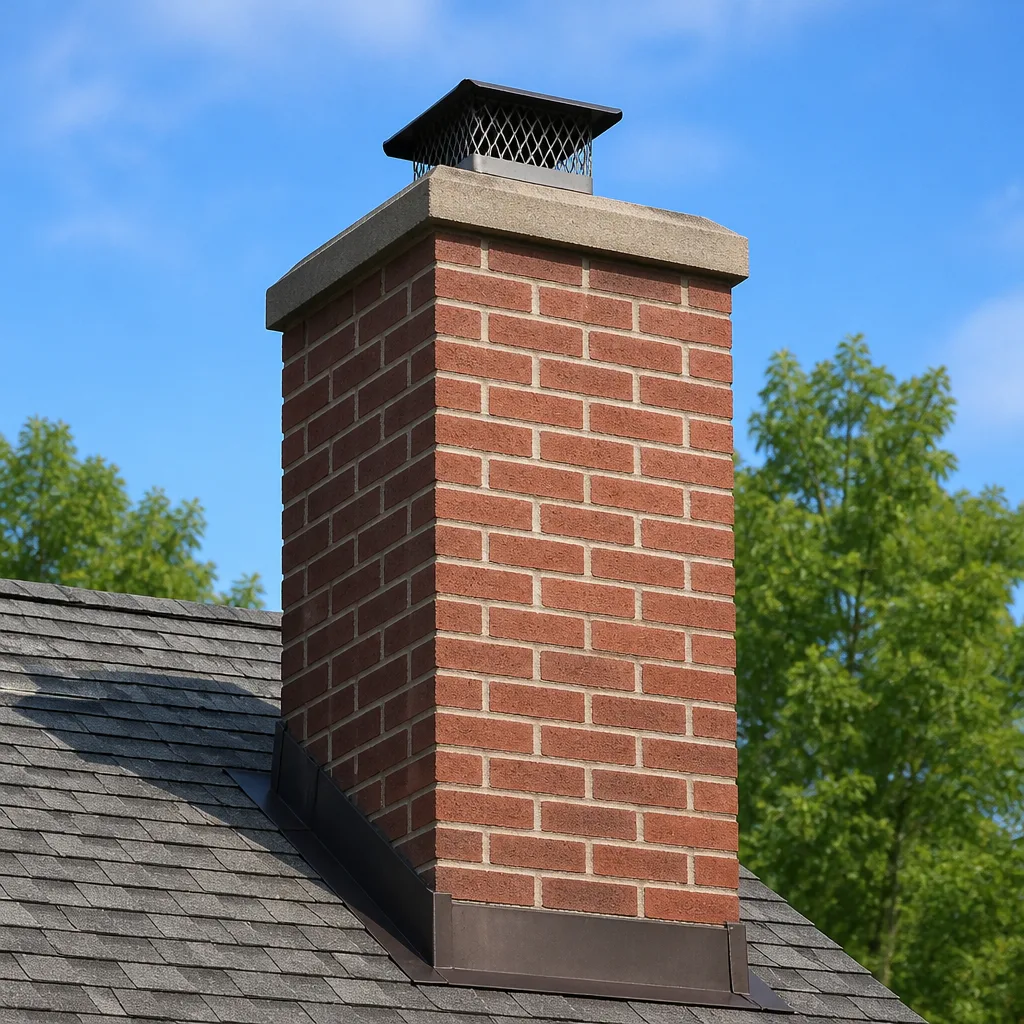 Masonry repair
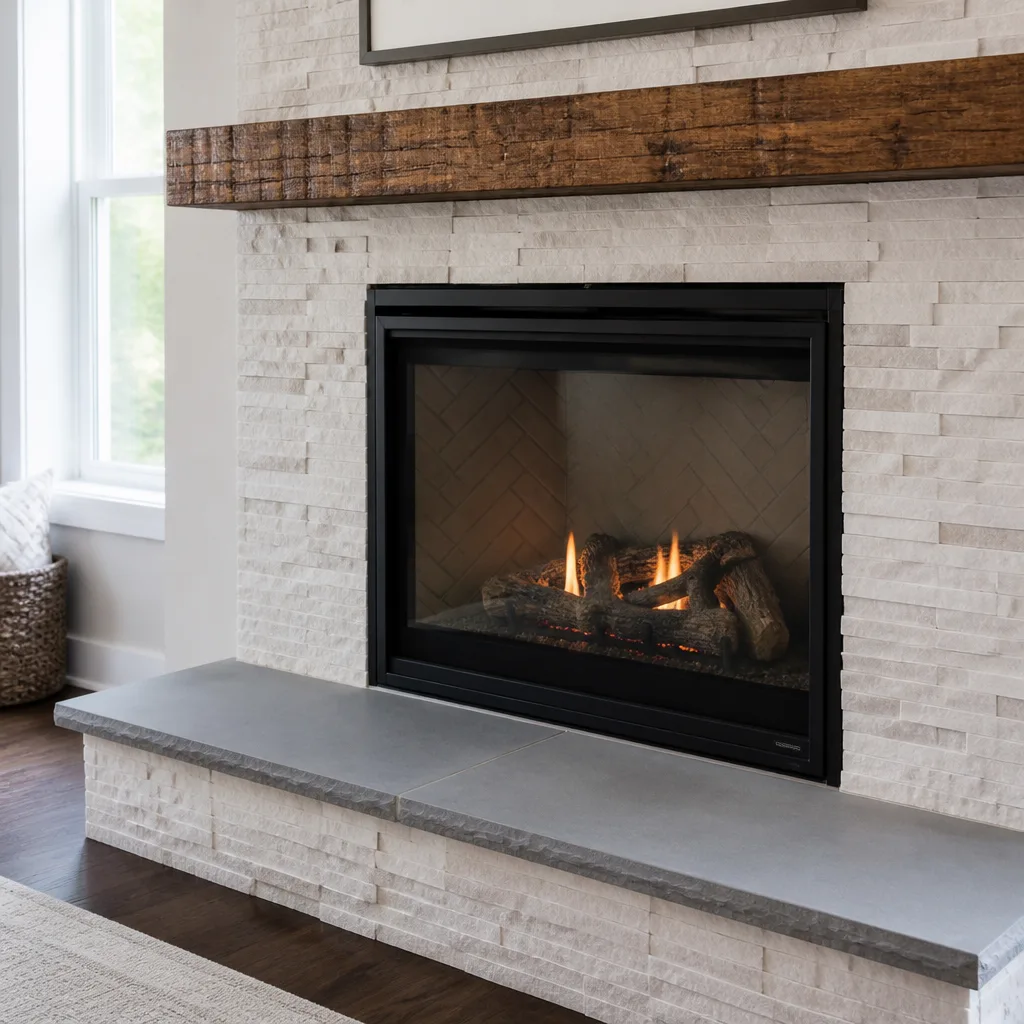 Gas fireplace service
Level 1 sweep and inspection to the NFPA 211 annual standard - flue, crown, cap, and flashing checked and photographed
Chimney sweep logs do not sweep chimneys. They loosen some creosote - which then falls where a brush and vacuum still have to collect it.
Chimney Cleaning Cost Breakdown: The Highbridge Homeowner’s Reference for 2026
A $79 chimney cleaning quote in New York City usually covers a single-flue brush sweep with no written inspection and no camera. The same job, done by a sweep who documents creosote stage, checks the smoke chamber, and hands you a report, runs $250-$350. Those aren’t competing prices for the same work. They’re prices for two different services wearing the same name. That gap is why chimney cleaning pricing in Highbridge confuses so many homeowners. This guide breaks down every cost variable – flue length, creosote stage, liner type, inspection level – so you can read a quote intelligently and spot when a low number reflects a reduced scope rather than a genuine deal.
Quick Answer
A standard single-flue chimney cleaning in Highbridge typically costs $180-$350 for a straightforward sweep with a basic visual check. Adding a documented Level 1 inspection with photos usually brings the total to $250-$400. Stage 2 or Stage 3 creosote removal, smoke chamber work, or cap and crown repairs push costs higher, often $400-$1,500 depending on scope. The final price is always set by the written estimate after a technician sees the flue.
Styles & brands we work with
- Sweep & inspection
- Caps & crowns
- Flue relining
- Masonry repair
- Gas fireplace service
Table of Contents
- What a Standard Chimney Cleaning in Highbridge Actually Costs
- How Flue Height, Access, and Liner Material Change the Price
- Cost Escalators: Creosote Stages, Parging, Caps, and Crowns
- Cleaning Alone vs. Cleaning Plus a Level 1 Inspection
- How to Verify a Quote Is Complete: Five Scope Items
- When to Schedule in Highbridge’s Heating Season
- Common Mistakes to Avoid
- Frequently Asked Questions
What a Standard Chimney Cleaning in Highbridge Actually Costs
A baseline chimney cleaning in the Highbridge market typically lands between $180 and $350 for a single flue, one story of roofline, reasonable access, and light to moderate creosote. That number covers labor, drop cloths, brushes, vacuum containment, and disposal of what comes out of the flue. It does not cover repairs, and it does not cover a documented inspection unless the estimate says so.
Here’s how the line items usually break down on a written estimate:
| Line Item | Typical Range in Highbridge | What It Covers |
|---|---|---|
| Base sweep, single flue | $180-$280 | Labor, brushes, drop cloths, HEPA vacuum, debris disposal |
| Second flue or appliance | $60-$120 added | Same procedure on a separate flue |
| Level 1 inspection (documented) | $75-$150 added | Visual check of accessible portions, written report, photos |
| Rooftop access surcharge | $50-$150 added | Steep pitch, tall stack, or restricted roof access |
| Firebox and smoke shelf vacuum | Usually included | Debris removal from the firebox floor and shelf |
Note what’s missing from that table: no trip charge, no diagnostic fee, nothing “credited toward the repair.” A straightforward estimate names the scope and the price. If a quote arrives as a single number with no line items, that’s your first warning sign.
Highbridge homeowners with a single active fireplace in a typical prewar walk-up or a mid-century house on the hill usually fall at the low end of that range on the sweep line. Homes with two flues, a wood stove tied into a separate chimney, or a stack that needs a tall ladder or roof work to reach land in the middle or high end. The written estimate is what sets the final price – the table above is a reference point for comparing quotes, not a quote itself.
How Flue Height, Access, and Liner Material Change the Price
The single biggest driver of chimney cleaning cost isn’t the size of the firebox. It’s how hard the flue is to reach and what’s inside it. A technician charging more isn’t charging more for the same twenty minutes of work. They’re charging for the specific difficulty of your chimney.
Flue height and roofline access
A short, single-story chimney with an easy roof pitch gets swept in a fraction of the time a tall stack or a steep roofline requires. Where a technician has to set a ladder to a high point, work around dormers or skylights, or manage a stack that sits behind a parapet, the labor adds up. In Highbridge, the mix of older walk-up buildings and single-family homes on the neighborhood’s slopes means access varies street to street. A homeowner on a slope with a tall exterior stack should expect a quote closer to the higher end of the sweep range.
Liner material and condition
Clay tile liners, stainless steel liners, and unlined flues all clean differently. A clay tile flue with intact joints is the simplest case – brushes move freely, and the flue clears cleanly. A stainless liner, whether a rigid product like DuraFlex or a similar professional-grade liner, needs brushes matched to the liner’s interior so the surface isn’t scratched. An unlined or damaged flue is the hardest case: brushes can catch on rough mortar, and the technician has to work more carefully and inspect as they go. That’s also the case where a resurfacing option like HeatShield becomes relevant, which we’ll cover in the escalator section below.
What the technician is actually doing differently
- Setting up containment. Drop cloths, a HEPA vacuum, and a sealed work area scale with how much access the flue provides.
- Selecting the brush. Poly brushes for stainless, wire brushes for heavy clay deposits – the wrong brush damages the liner.
- Working the flue from top or bottom. Bottom-up sweeps are faster on some configurations; top-down is required on others.
- Inspecting as they sweep. A technician looking for cracked tile, offset joints, or gaps in the liner is doing a different job than one who just runs a brush.
If two quotes differ by $100 on the same house, the difference is almost always one of these four items.
Cost Escalators: Creosote Stages, Parging, Caps, and Crowns
Most cleaning jobs stay inside the base range. The ones that don’t usually have a specific, identifiable reason. A trained sweep will tell you which stage of creosote is present and show you the evidence before recommending anything beyond a sweep.
Creosote stages
Creosote forms in three recognizable stages, and each stage needs a different approach:
- Stage 1: Soot and light flaky deposits. A standard brush sweep removes it. No added cost.
- Stage 2: Glossy, hardened deposits that cling to the flue wall. Needs rotary cleaning with specialized tools. Typically adds $100-$250 to a cleaning in the New York metro market.
- Stage 3: Concentrated, tar-like glazing. Requires chemical treatment or rotary work over a longer period, and may make the flue unsafe to use until it clears. Often runs $300-$800 or more depending on how much of the flue is affected.
Stage 3 creosote is the case where a sweep who doesn’t document what they found can leave a homeowner guessing. We always show the evidence – photos of the flue interior, with a clear explanation of what stage it is and why the recommended next step is the next step.
Smoke chamber parging
The smoke chamber sits above the damper and below the flue. Its corbeled shape traps creosote and debris that a flue brush never reaches. Parging the smoke chamber smooths the rough surface so creosote can’t catch as easily, and it’s often the single highest-value fix for a chimney that drafts poorly. In the New York metro area, smoke chamber parging typically runs $400-$900, depending on chamber size and how rough the original surface is.
Caps and crowns
A missing or damaged chimney cap lets water, animals, and debris straight into the flue. Crown cracks do the same thing more slowly. Both are worth fixing before they turn into interior water damage, and both belong under the same chimney cap & crown work we handle for Highbridge homeowners. Typical costs in this market:
- Standard cap installation: $150-$350 for a single-flue cap
- Custom-fit or multi-flue cap: $300-$700, often with Gelco or Olympia Chimney caps sized to the flue
- Crown repair or rebuild: $300-$900 depending on size and whether the original crown is salvageable
We stock and install Gelco and Famco caps and covers specifically because they’re purpose-built chimney products, not hardware-store substitutes that rust through in a few winters. That matters more in a climate with a real freeze-thaw cycle.
Cleaning Alone vs. Cleaning Plus a Level 1 Inspection
A cleaning removes what’s in the flue. An inspection tells you what condition the flue is in. They overlap but they’re not the same job, and the price difference reflects real work – the technician’s time examining joints, fittings, and the accessible portions of the system, plus the written report you keep on file.
In Highbridge, a cleaning alone typically runs $180-$280. Cleaning plus a documented Level 1 inspection runs $250-$400. The $70-$150 gap buys you a written condition report with photos, which is the difference between “we swept it and it’s fine” and a record you can use later.
When paying for the inspection isn’t optional:
- Before buying a house. A pre-purchase inspection on an unfamiliar chimney is the only way to know whether the flue is intact. It’s a fraction of the cost of finding out after closing.
- First season in a new home. You don’t know the last owner’s habits. A documented inspection is your baseline.
- After a chimney fire or a suspected one. Creosote can burn inside a flue without obvious flame at the firebox. The flue needs eyes on it.
- Before switching fuel types. A wood stove connected to a flue that previously served a fireplace changes what the flue sees. The liner needs to be right for the appliance.
- Any time a technician finds something on the sweep they can’t fully assess. If the sweep says “I saw something I want a closer look at,” the inspection is the way to get that closer look in writing.
We offer inspection as a standalone service, which is unusual in this trade. You can book an inspection without a cleaning, get a report that says what’s there, and decide what to do on your own timeline. No push to book work the same day. That’s deliberate – an inspection that tells you what’s there, not just what we can sell you is worth more to you than a report that exists to close a sale.
How to Verify a Quote Is Complete: Five Scope Items
Before you agree to any chimney job in Highbridge, the written estimate should name the following five items. If any are missing, ask before you sign.
- The number of flues. A fireplace and a furnace draw on separate flues when both are present. The estimate should say how many flues the price covers. A single price for “the chimney” is ambiguous and usually under-scopes.
- The level of inspection included. “Visual check” and “Level 1 inspection with written report” are different services. The estimate should say which one is included, and whether photos are part of it.
- The creosote stage found or expected. If you’ve had the flue cleaned before and know the stage, tell the sweep. If the technician finds Stage 2 or 3 on arrival, the estimate should say the price may change – and how – before work starts.
- Whether access charges apply. Rooftop access on a steep pitch, a tall stack, or an interior flue that needs a special configuration should be named up front, not added after the technician is on the roof.
- What happens with anything unexpected. A cracked tile, a damaged cap, a rusted damper – the estimate should say that any newly discovered issue is documented and priced separately, in writing, with your approval before work continues.
That’s the test we hold our own estimates to. A quote that names all five items is one you can compare apples to apples against any other quote in the Highbridge market. A quote that names one or two is missing something, and the missing something is the part that gets added later. We’d rather you see the full scope before the sweep than hear about it after.
When to Schedule in Highbridge’s Heating Season
Chimney cleaning in Highbridge doesn’t have a single right month, but there’s a practical rhythm to it. The Northeast’s heating season runs roughly October through April, and the best time to book is before the first cold snap, not during it. A sweep booked in September is easier to schedule than one booked the week the first frost hits. That’s just how demand works in this climate.
The other timing question is frequency. How often your chimney needs cleaning depends on how much you burn and what you burn. As a general guide for Highbridge homeowners:
- Regular fireplace use (a cord or more of wood per season): sweep annually, before the season starts.
- Occasional use (a few fires a month in winter): sweep every two to three years, but inspect annually – a visual inspection catches problems faster than a sweep alone.
- Wood stove as a primary heat source: sweep more than once a season, since heavier use builds creosote faster.
- Gas fireplace or insert: still needs an annual inspection. No wood means no creosote, but the flue, cap, and venting can still be blocked by debris, animal nests, or a failed component.
One thing specific to the Highbridge and greater New York climate: our winters alternate freeze and thaw, and the masonry on older chimneys doesn’t always handle that cycle gracefully. A chimney that looks fine in July can show efflorescence, spalling, or a cracked crown by February. That’s a reason to inspect annually even on a year you don’t sweep, and a reason to get a crown issue fixed in fall rather than spring.
Common Mistakes to Avoid
- Choosing the lowest quote without checking what it covers. A $99 sweep and a $280 sweep aren’t the same service. Ask what inspection, documentation, and cleanup each one includes before comparing.
- Skipping the inspection because the sweep “looked fine.” A sweep looking inside a flue with a flashlight from the firebox can miss cracked tiles, offset joints, and gaps that a documented inspection catches. The gap in price usually reflects the gap in what gets checked.
- Burning unseasoned wood to save on the wood bill. Wet wood creates far more creosote per cord than dry wood. It’s not a chimney cleaning cost problem – it’s a chimney cleaning frequency problem you create yourself.
- Ignoring a missing or damaged cap for a season. A cap that’s been off since last winter means water and animals have had a full year inside the flue. The cost to fix that later is routinely several times the cost of the cap.
- Scheduling in the first cold week of the season. Book in early fall or late summer. The wait for a Highbridge sweep during the first cold snap is longer than it needs to be, and the job isn’t any cheaper for the delay.
- Assuming Stage 2 creosote is a scare tactic. If a technician shows you a glossy, hardened deposit on the flue wall and calls it Stage 2, ask them to show you the photo. It’s a real category, and the cleaning method differs from a standard brush sweep.
- Choosing a generalist handyman to save a small amount. Chimney work is a specific trade with specific tools – brushes sized to the flue, rotary equipment for hardened creosote, and the knowledge to recognize when something needs an inspection rather than a sweep. A generalist can clean a flue; knowing when not to just clean it is the part that matters.
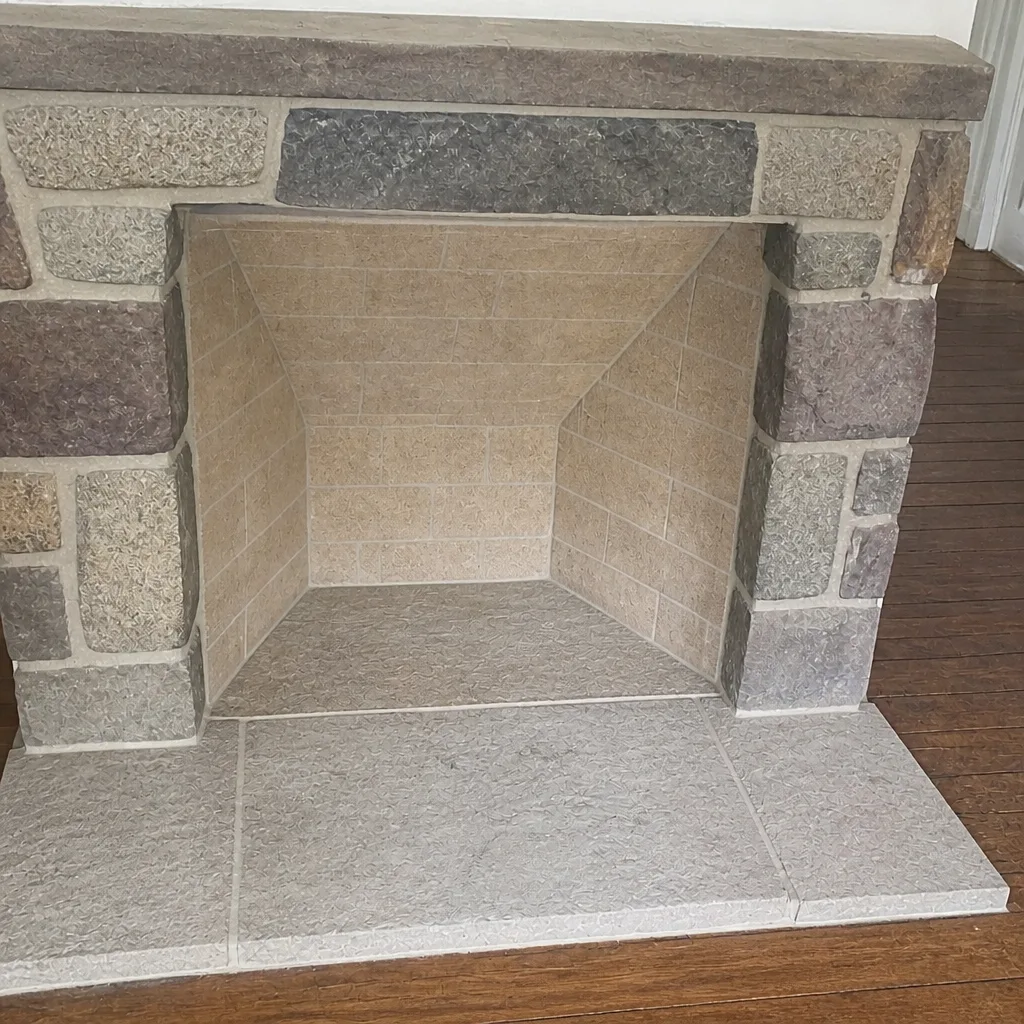
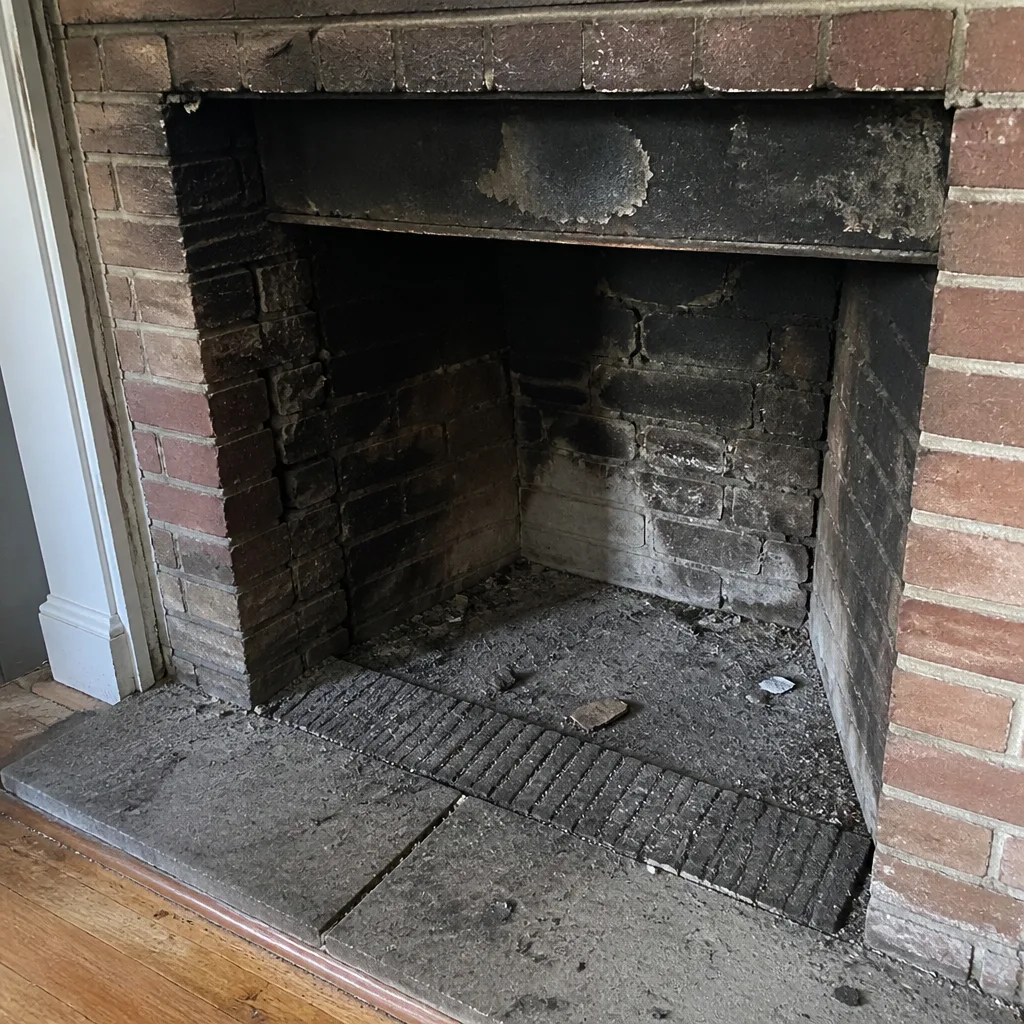
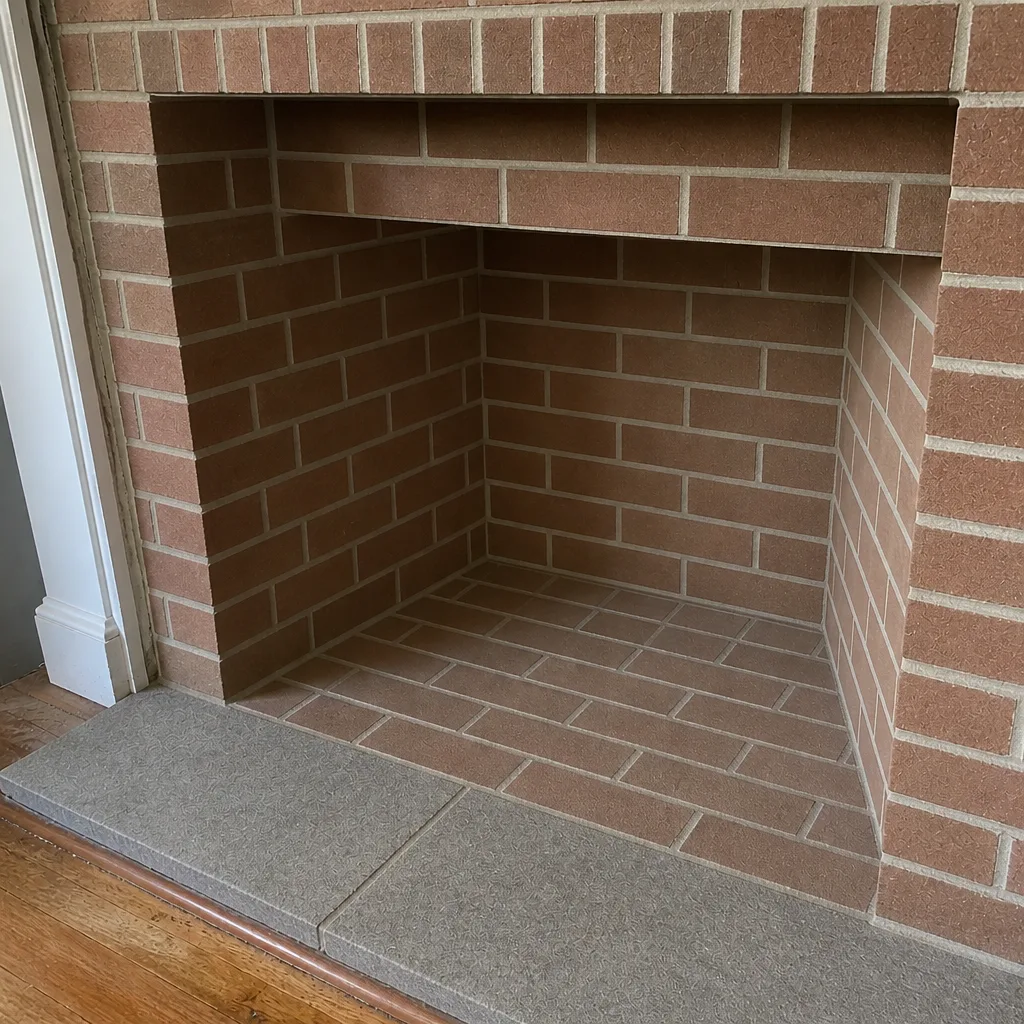
See the difference
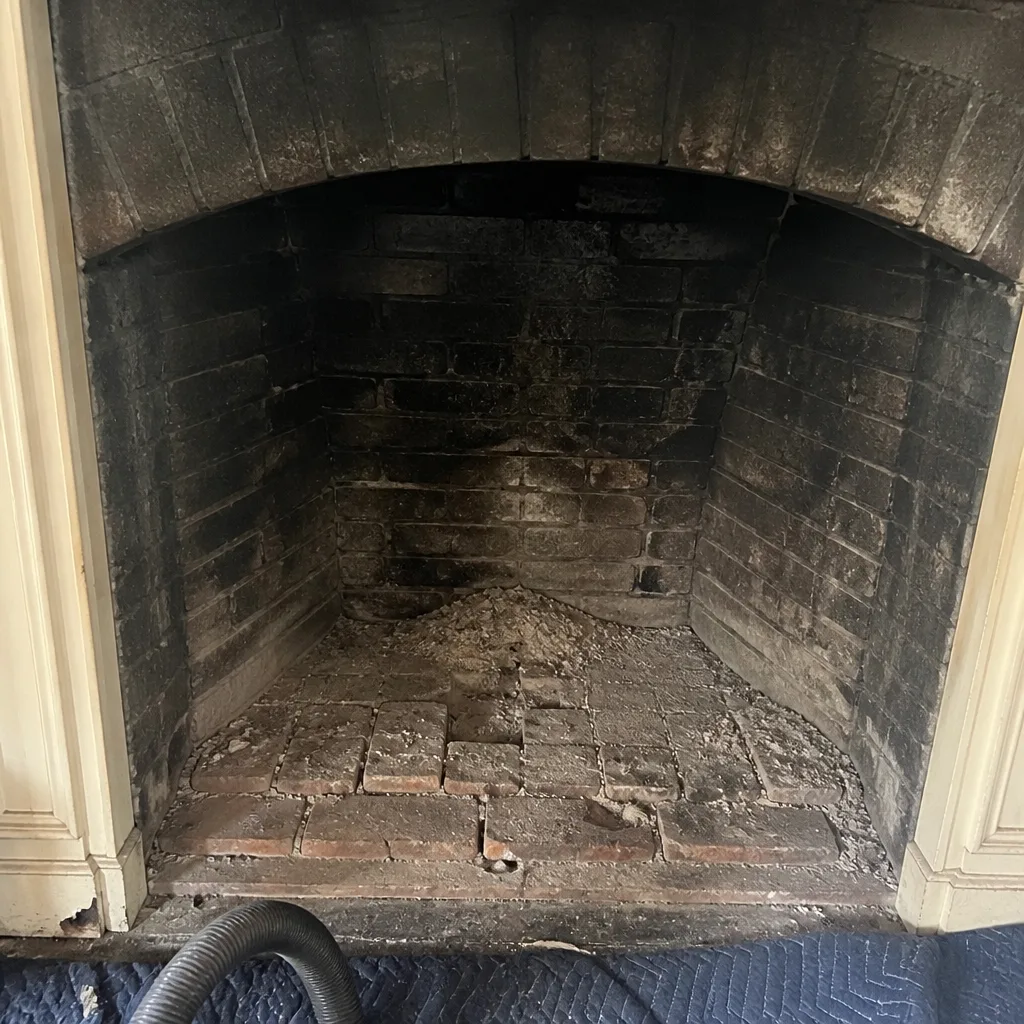 Before
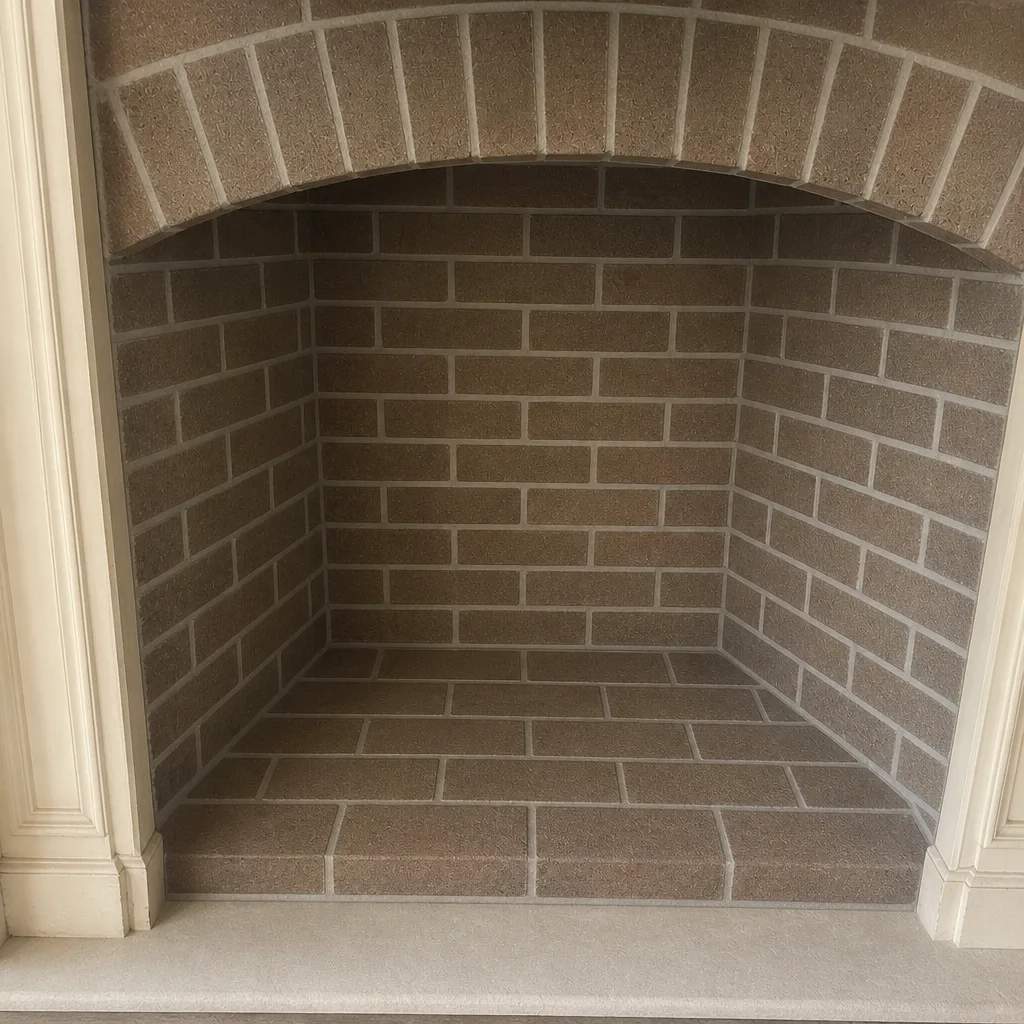 After
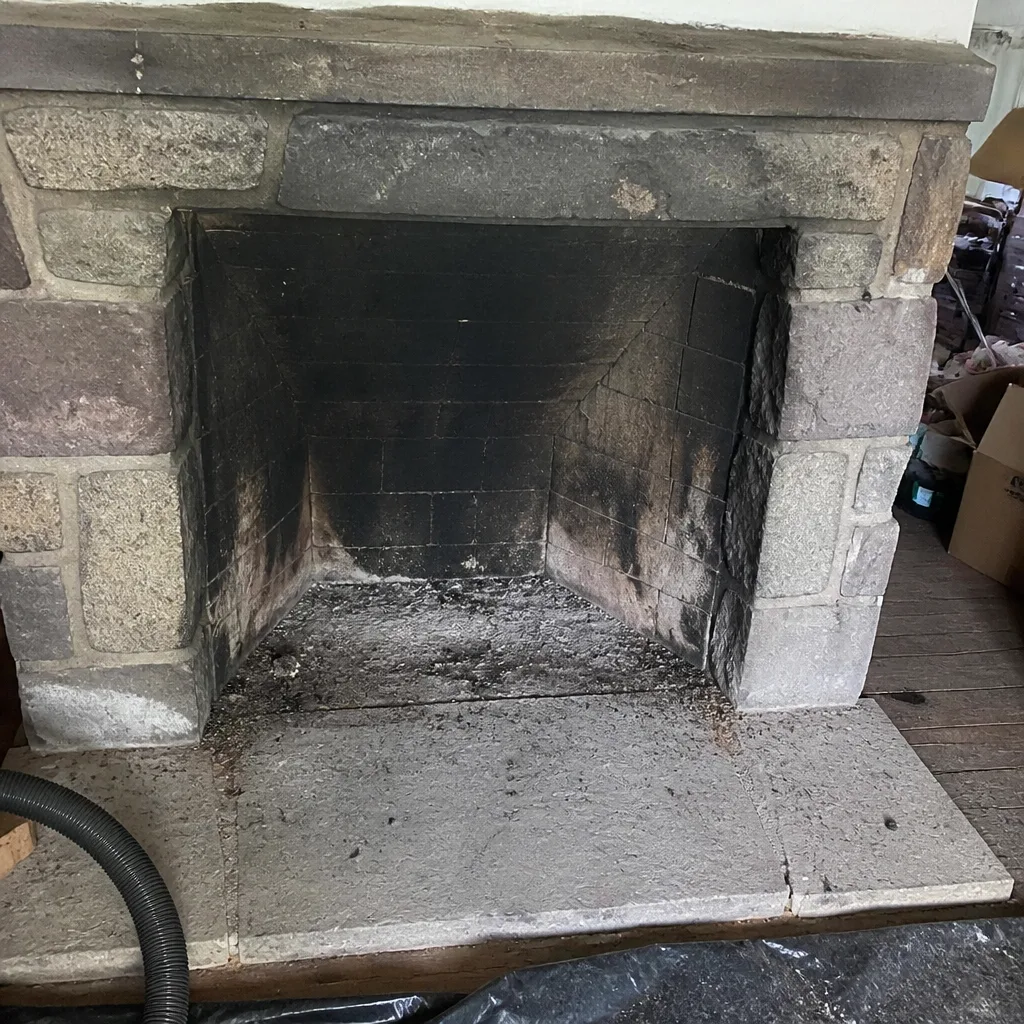 Before
 After
 Before
 After
When to Call a Professional
Call a chimney professional when you smell smoke in the room during a fire, when the fire draws sluggishly or smokes back into the room, or when you see visible damage to masonry, a cap, or a crown. Call before you burn for the first time in a new home, and call after any suspected chimney fire even if the chimney looks fine from the outside. Call before buying a home with an unfamiliar chimney, and call if it’s been more than three seasons since the last documented inspection, no matter how often you’ve used the fireplace. Highbridge homeowners get free estimates from Chimney Sweep Highbridge – call (833) 513-8797. We answer 24/7. Fast dispatch from 7am to 7pm, Sunday through Friday.
One word on safety. A chimney that’s blocked, cracked, or heavily loaded with creosote can release carbon monoxide into your home before you notice anything wrong – and a chimney fire can start inside a flue the firebox looks fine from. Those risks are real, but they’re also manageable with a documented inspection and a sweep at the right intervals. What we don’t recommend is trying to inspect or clean a flue yourself from the rooftop, especially on a tall stack or an unfamiliar roofline. The work looks simple. The fall risk isn’t.
Frequently Asked Questions
A standard single-flue chimney cleaning in Highbridge typically runs $180-$350, with documented Level 1 inspections adding $75-$150. Anything beyond that – Stage 2 or 3 creosote removal, smoke chamber parging, cap or crown work – is priced separately per job. Call (833) 513-8797 for an exact quote – estimates are free.
A $99 quote is almost always a single-flue brush sweep with no written inspection and no photos – a fundamentally different service from a documented cleaning. It’s not inherently dishonest, but it’s not the same product either. Ask any sweep to name exactly what’s included before you compare prices. Then call (833) 513-8797 for our full-scope estimate.
You can book a cleaning alone, and we offer inspection as a standalone service if you’d rather separate the two. That said, the inspection is where a technician actually checks the accessible portions of the flue and hands you a written record. If you haven’t had one in the last few seasons, or you’ve just bought the house, the inspection is the part that protects you later. Call (833) 513-8797 and we’ll price both separately.
The technician should stop, show you the evidence, and give you a written estimate for the additional work before continuing. Stage 3 creosote is the glazed, tar-like stage that standard brushing won’t fully clear, and it needs rotary or chemical treatment. If someone adds a four-figure charge without showing you what they found, don’t agree. Call (833) 513-8797 and we’ll walk you through what the evidence looks like.
Once a year if you burn wood regularly. Every two to three years if you’re an occasional burner, with an annual inspection in between. Wood stoves used as primary heat usually need more than one sweep per season. The New York climate doesn’t change this rule much – your burn rate does. Call (833) 513-8797 and we’ll help you set the right schedule.
No. Caps, crowns, and masonry repairs are always priced separately from the sweep. A missing or damaged cap costs $150-$700 to replace depending on style and fit, and a crown repair typically runs $300-$900. We install Gelco and Olympia Chimney caps sized to the flue. Call (833) 513-8797 for a written estimate covering both the sweep and any cap or crown work.
The Bottom Line
Chimney cleaning pricing in Highbridge varies because the scope varies – not because every contractor is guessing. A $180 sweep and a $350 sweep can be the same twenty minutes of work, or they can be two very different services. The way to tell them apart is to ask three questions: How many flues? What inspection is included? What happens if the technician finds something during the sweep? A quote that answers all three, in writing, is one you can trust. Everything else is a number without a scope. For the full stack – chimney sweep, cap and crown work, chimney repair, and inspection – one specialist handling the whole system is easier to verify than three contractors handing off to each other. That’s how we run it at Chimney Sweep Highbridge. Our technicians have up to 8 years of experience, we name the materials we use and why we chose them, and we won’t recommend work we can’t show you the evidence for.
Ready to get a written estimate? Call (833) 513-8797 for a free estimate. We answer 24/7. Fast dispatch from 7am to 7pm, Sunday through Friday.
Written by the team at Chimney Sweep Highbridge.