
Last updated November 25, 2026
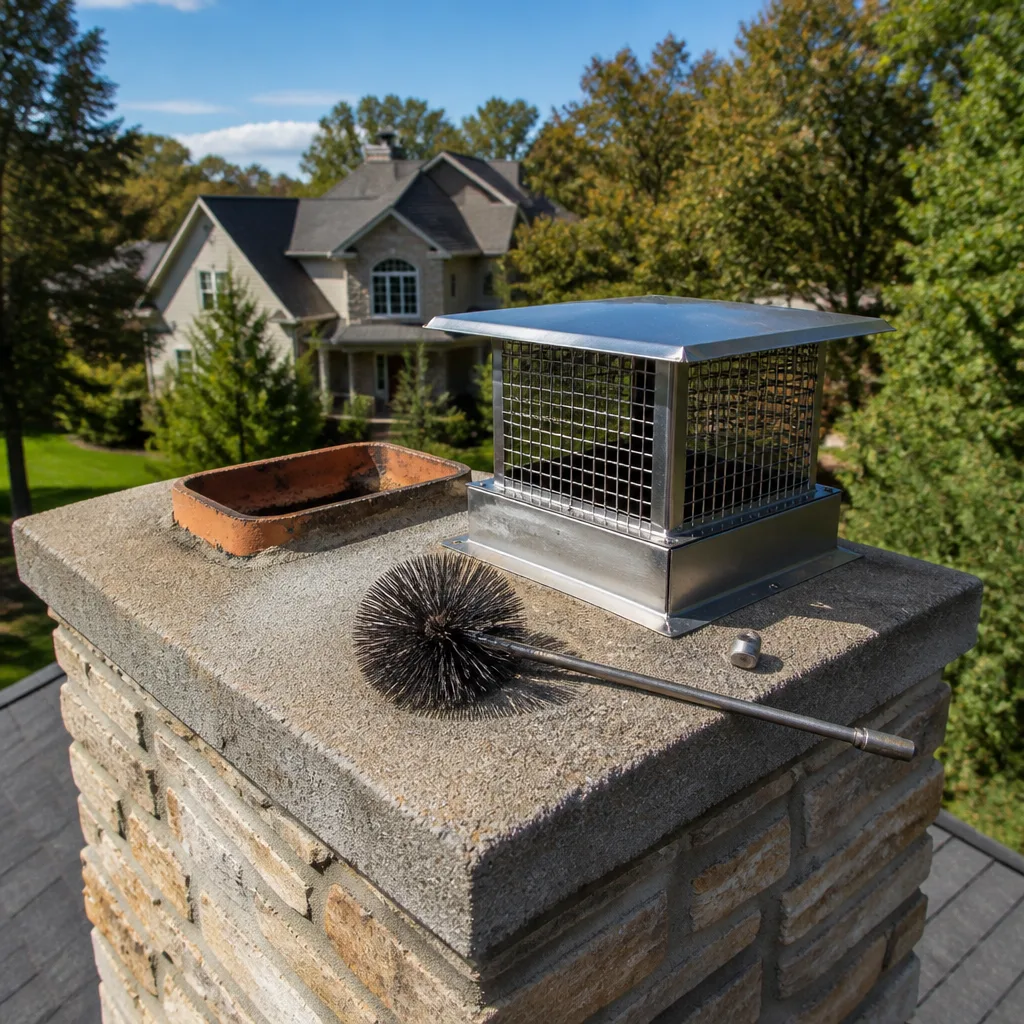 Sweep & inspection
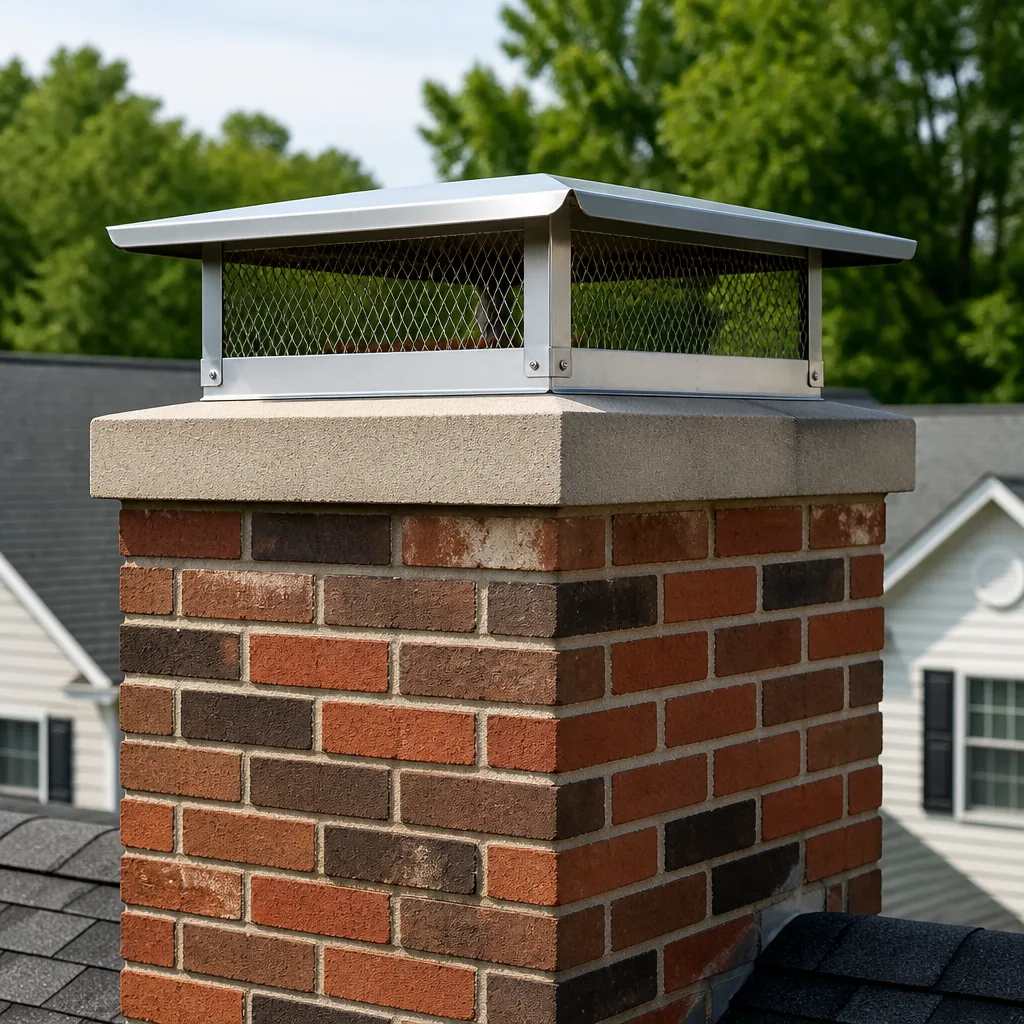 Caps & crowns
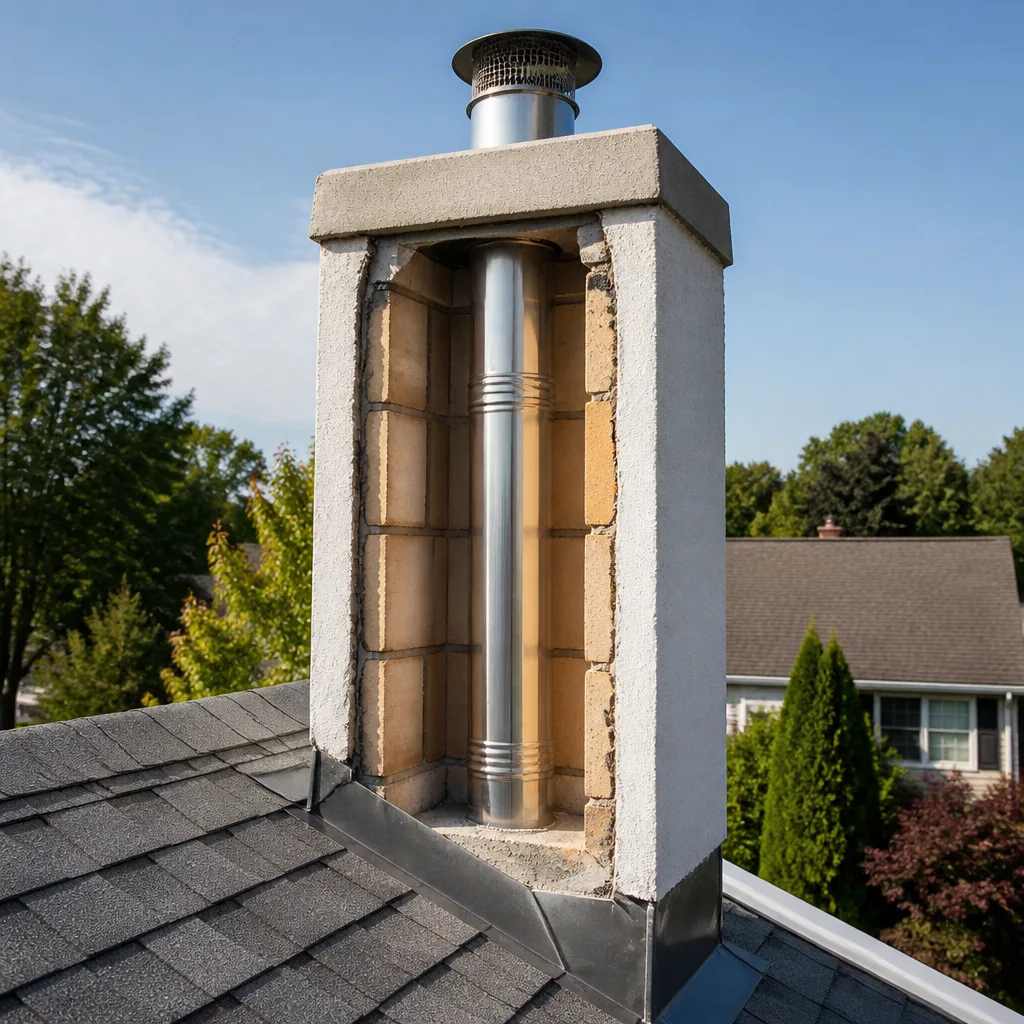 Flue relining
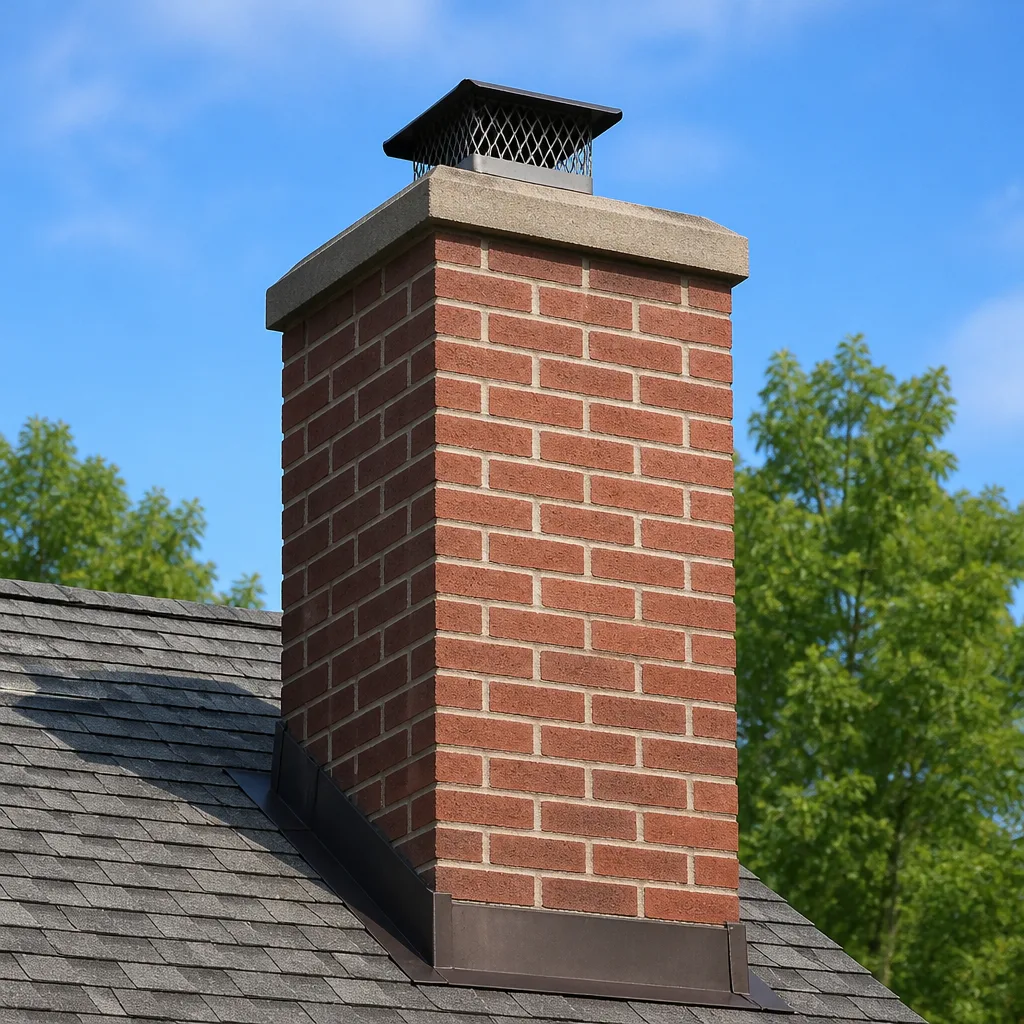 Masonry repair
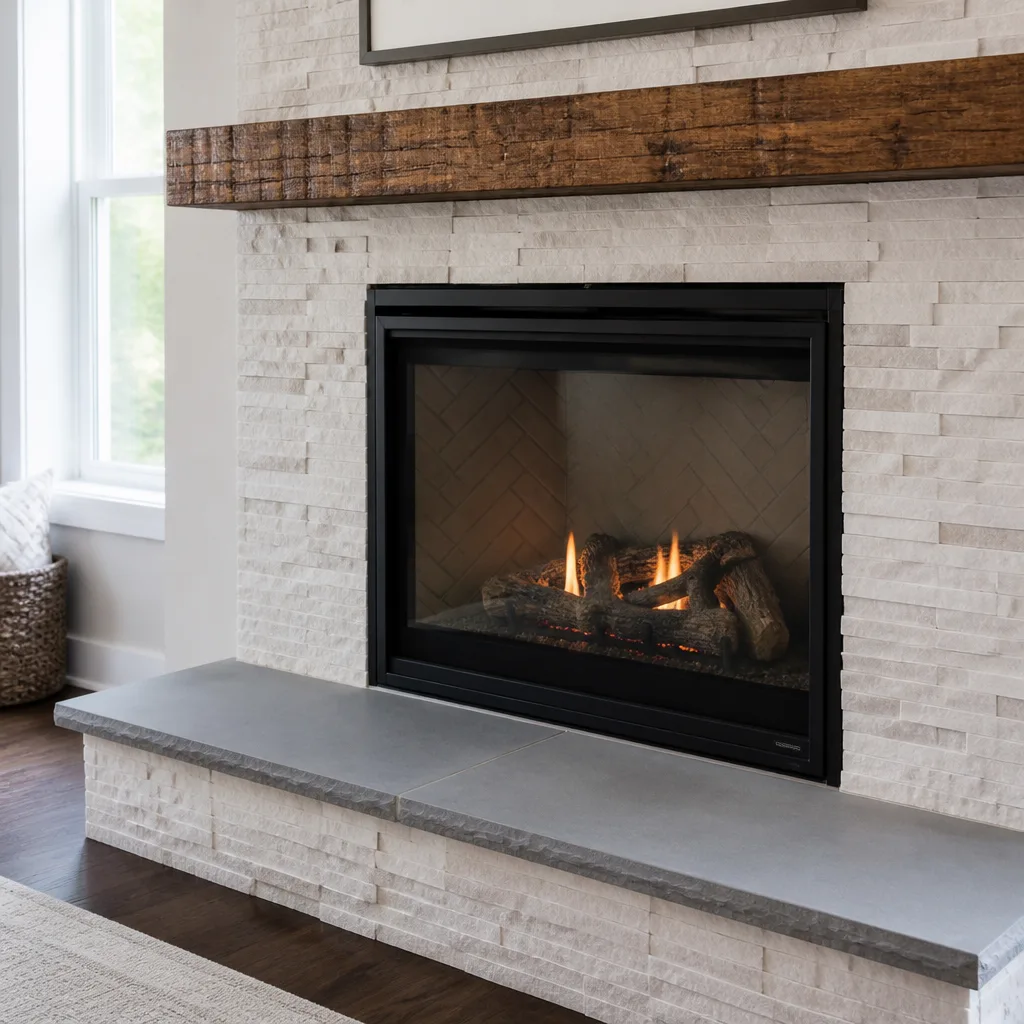 Gas fireplace service
Level 1 sweep and inspection to the NFPA 211 annual standard - flue, crown, cap, and flashing checked and photographed
Chimney sweep logs do not sweep chimneys. They loosen some creosote - which then falls where a brush and vacuum still have to collect it.
Seasonal Chimney Cleaning Care for Highbridge: Year-Round Homeowner’s Guide
Most Highbridge homeowners book a sweep in October and forget the chimney until the following fall. That habit gets the creosote out, but it misses the bigger picture. The crack that opens in a crown during a February freeze sits full of rainwater through every humid week of July. Nesting birds move into an uncapped flue in May and leave debris behind for the next fire. A spring or early-summer visit catches these problems while they’re small. By the time you’re stacking wood in September, the damage has had half a year to spread. This guide walks through each season on its own terms, explains what to look for and when, and shows you how to build a simple owner log that makes every annual sweep faster and better documented.
Quick Answer
Chimney care in Highbridge works best on a seasonal cycle, not one fall appointment: inspect in spring after freeze-thaw season, keep the flue dry and sealed in summer, prepare in a set order before the first fire in fall, then monitor draft and odor through winter. A 12-month owner log of what you see and when turns each annual sweep into a faster, better-documented job.
Styles & brands we work with
- Sweep & inspection
- Caps & crowns
- Flue relining
- Masonry repair
- Gas fireplace service
Table of Contents
- Why Seasons Matter More Than One Annual Sweep
- Spring: The Best Time to Inspect a Highbridge Chimney
- Summer: Keeping an Unused Flue Dry and Closed
- Fall: The Right Order of Operations Before Your First Fire
- Winter: Mid-Season Habits That Catch Problems Early
- What Each Season Demands, at a Glance
- Building a 12-Month Owner Log
- Common Mistakes to Avoid
Why Seasons Matter More Than One Annual Sweep
An annual sweep removes creosote, and creosote removal matters. But the sweep itself is a single event, and a chimney is exposed to weather every day of the year. In Highbridge the cycle runs roughly like this: cold nights and warm afternoons from late winter into early spring pull masonry through repeated freeze-thaw, which widens hairline cracks in crowns and mortar joints. A wet spring and summer pushes moisture into those openings. Fall brings the first fires and the smoke they produce. Winter tests everything at once. Treating the chimney as something you service once and ignore for fifty weeks means the weather gets a nine-month head start on you.
Split the year into phases and each one has its own job. Spring is for seeing, summer is for sealing, fall is for preparing, winter is for watching. None of these phases replaces the annual cleaning. They make it more useful. A sweep performed in a chimney that’s been kept dry and capped all summer finds less to report than one performed on a flue that’s been open to rain and nesting debris since May.
The good news is that most of this work is inspection and observation, not repair. A hose washer on a cap, a closed damper, a note in a log. Our technicians have up to 8 years of experience, and the pattern holds across nearly every chimney we look at: the homeowners who catch problems in spring spend less on structural work than the ones who discover them in October. If you’d like a full picture of how we approach the annual cleaning itself, start with our chimney sweep page.
Spring: The Best Time to Inspect a Highbridge Chimney
Spring is the highest-value window for chimney inspection in Highbridge, and it has nothing to do with convenience. It’s the point in the year when winter damage is fully visible, the leaves aren’t out yet to hide a crown, and there’s enough dry weather to make repairs stick before the humid months arrive. An inspection now gives you a true condition report and a real window to act on it.
What winter leaves behind
Water is the main mechanism of chimney damage in this climate, and freeze-thaw is how it gets in. A few things to look for after a hard winter:
- Spalling brick. Brick faces that have flaked, peeled or gone powdery. Once a brick face is gone, the softer interior of the brick takes on water faster.
- Cracked or separated crown. The crown is the concrete cap at the top of the chimney. A hairline crack is common; a crack that opens up or a crown pulling away from the flue is a leak waiting for summer rain.
- Damaged flue liner. Ice expansion inside a masonry flue can crack clay tile liner sections. Cracks in a liner are not something to shrug at, because the liner is what separates flue gases from the structure of the house.
- Loose mortar joints. Run a hand along accessible joints in a basement or attic chase, and look at the stack from the ground for gaps or crumbs on a dry day.
- Cap and damper fit. Rusted cap screens, a cap knocked loose by winter wind, or a damper that no longer closes flush.
Why the inspection timing matters
A chimney inspection performed in spring catches the damage in its early state. Nothing has been sitting wet all summer yet, and there’s still time to schedule real repair work before the fire season. We treat inspection as a standalone service, so the report you get is an honest condition assessment, not a sales pitch attached to a cleaning. If something needs fixing, you’ll know what and why. If it can safely wait until fall, you’ll know that too. Our chimney repair work follows the same principle: the right fix, sized to the actual problem.
Summer: Keeping an Unused Flue Dry and Closed
A chimney with no fire in it all summer is not idle. It’s an open shaft on top of your house, and anything the sky sends down lands at its bottom. Moisture is the quiet problem in the off-season. When a flue stays damp for weeks, masonry soaks it up, mortar softens, and the conditions that lead to spalling in the following winter begin to set. Add nesting birds and debris from a loose cap, and the flue you left clean in April isn’t clean anymore by September.
What a properly fitted cap and damper prevent
- Rain and snow driving straight down the flue
- Birds, squirrels and insects moving in and building nests that later obstruct the flue
- Leaves and twigs gathering on the smoke shelf, where they reduce draft and smolder on the first fire
- Downdrafts pushing humid summer air into the house through an open damper
A fitted cap is the single most effective piece of summer protection a chimney can have. We install caps and crowns using Gelco and Famco components, and these are purpose-built chimney products, not hardware-store substitutes. The fit and material choice matter in exactly this season, because a cap with the wrong screen size or a loose mount lets in the very things it’s supposed to keep out. Closed, well-sealed dampers do the rest by blocking the return of humid air when the firebox isn’t in use.
What to check in summer
- Look at the cap from the ground on a clear day. Confirm the screen is intact and the cap hasn’t shifted.
- Open the firebox door and check for moisture stains, musty odor or rust on the damper.
- Confirm the damper closes fully and seats. A damper that hangs open adds to the moisture load all summer.
- Note any watermarks on the smoke chamber or firebox brick, and put the date in your owner log.
Summer is also a good time to book a visit while the calendar is quiet. Call (833) 513-8797. We answer 24/7. Fast dispatch from 7am to 7pm, Sunday through Friday. Estimates are free.
Fall: The Right Order of Operations Before Your First Fire
Seasonal advice usually says “get your chimney cleaned before you burn.” That’s right but incomplete. The order in which a sweep, an inspection and an appliance check happen in the fall affects the quality of every one of them. Get the sequence wrong and you may sweep a flue that’s about to be changed, or install a cap over a crack you haven’t found yet. Here’s the order that works, and the reasoning behind it.
The fall preparation sequence
- Visual walk-around first. Before anything else, look at the chimney from outside and from the firebox. Note anything changed since spring: new staining, a shifted cap, crumbling mortar, a draft that has appeared from nowhere. Put it in the log.
- Sweep the flue. Bring the flue back to a clean baseline so the inspection reads cleanly and so the fireplace can be used. If it’s been more than a year since the last cleaning, this is the fall work that should come before everything else.
- Inspect. A proper inspection after the sweep tells you what condition the system is in before you light the first fire. In a Highbridge home that’s had the cap off all summer, this is when you find out what the debris and moisture did.
- Address caps and crowns. If the crown has cracked or the cap has failed, arranging the fix before the burning season means the structural work isn’t rushed and your first fire isn’t delayed by it. Learn more about the full range on our chimney cap & crown page.
- Check the appliance. Wood stove gaskets, doors, glass and fasteners. A gasket that doesn’t seal affects draft and lets smoke into the room. Fireplace doors and dampers get the same scrutiny.
- Test the first fire small. A short, hot first fire confirms draft and lets you observe smoke behavior before you rely on the fireplace through the winter.
The point of this order is that each step informs the next. The visual notes feed the sweep, the sweep allows an honest inspection, the inspection tells you whether repair work should come before the season starts, and the appliance check catches the pieces a sweep can’t see. Doing it in this sequence means the chimney is ready as a whole system, not just as a clean flue.
Winter: Mid-Season Habits That Catch Problems Early
Once the fire is going regularly, most problems announce themselves in a few observable ways. The firebox stinks. The fire smokes. Draft is weak. These signals aren’t always an emergency, but they are worth noticing, because the winter season is the worst time to discover a structural fault you could have caught in October. Mid-season monitoring is mostly about attention, not equipment.
What to watch through the winter
- Odors when the fireplace is cold. A smoky or sour smell on a mild day often points to creosote or soot left on the flue walls, or to a damper that isn’t closing fully. It’s also a sign that rain may be getting in.
- Smoke rolling into the room. Smoke that backs into the room on startup, or on a reload, signals a draft problem. Sometimes the flue is obstructed; sometimes a cold flue needs a bit of warm-up; sometimes the cap screen has closed up with soot. It’s a signal to have the flue looked at, not a reason to burn hotter and hope.
- Weak, lazy draft. A fire that used to burn well and now barely draws is a change worth logging.
- Creosote smell at the cap. If you smell a strong, tarry odor outdoors near the flue outlet, that’s a reason to check the flue sooner.
- Discoloration on the firebox or chimney exterior. Any new staining on the masonry is worth a note and a look.
None of these calls for panic, and none of them justifies slamming a fire out and abandoning the fireplace mid-season. What they justify is a service call and an inspection, which is a manageable thing in December. At the same time, keep in mind the fire risk itself: a chimney with a thick creosote layer, especially in a wood stove running a cool fire, can ignite. Our recommendation is not to skip the sweep because it feels inconvenient. A mid-winter inspection is a reasonable investment, and if the flue turns out clean you’ll have that in your log for next year. Call (833) 513-8797 for an exact quote on an inspection – estimates are free.
What Each Season Demands, at a Glance
This is the guide in one table. Each season has a main job, a risk it’s addressing, and a concrete owner action. Post it somewhere you’ll see it when you’re reaching for the logbook.
- Spring. Main job: inspect. Risk: unseen freeze-thaw damage. Action: book a standalone inspection and note spalling, cracked crown and liner damage. Best repair window.
- Summer. Main job: keep dry and closed. Risk: moisture and nesting debris. Action: confirm cap and damper are fitted and sealing, check for staining and odor.
- Fall. Main job: prepare in order. Risk: starting the season with a fault or obstruction. Action: walk-around, sweep, inspect, address caps and crowns, check the appliance, test a small first fire.
- Winter. Main job: monitor. Risk: a problem that builds into a mid-season interruption. Action: watch for odor, smoke rollout and draft change; log them; book a visit if anything changes.
Why the seasons differ in Highbridge
The seasonal split here is driven by the swing between wet, humid summers and cold winters with freeze-thaw cycles. In a drier climate you could stretch the cycle, but in Highbridge the moisture exposure through the warm months is real and consistent, which is why the spring-inspect, summer-seal rhythm makes a measurable difference to how much repair work the chimney needs over time. Add the fact that this is a fire country with a long burning season, and it’s easy to see why a one-appointment habit is not enough.
Building a 12-Month Owner Log
A simple owner log is the most underrated tool in chimney care. It costs almost nothing, takes a minute each time you add a note, and pays off every year. It makes the annual sweep faster because the technician knows what’s changed. It documents the chimney’s condition for a home sale or an insurance conversation. And it keeps you honest about whether work that “can wait” actually got done.
What to put in it
- Dates and services. Note every sweep, inspection and repair with the date and what was done. If a technician gives you a condition report, keep it with the log.
- Weather events. Any notable storm, extended freeze or heavy rain that could have affected the crown, cap or masonry.
- What you observed. Spalling, staining, odor, smoke behavior, draft changes. A quick note and a date.
- Repair status. If a fix was recommended and deferred, note when it was recommended and what the reason was. That lets you confirm later whether it’s still safe to wait.
- Appliance details. Wood stove gasket replacement dates, door adjustments or damper work, so condition trends show up over time.
How to use it through the year
Review the log at each seasonal transition: early spring before the inspection, early summer before the sealing check, early fall before the sweep, and mid-winter after the first month of burning. If a recommended repair has been listed as “can wait” for more than one season, that’s the point to look at it again. No honest chimney professional will tell you a repair schedule is flexible indefinitely. Just as importantly, no one should tell you a job is urgent without showing you the evidence. Our inspections are designed to give you the report and the photo record, and to tell you plainly when work can safely wait.
The log doesn’t have to be fancy. A notebook kept with the fire-starting gear works fine. If you want the record in a file, a note on your phone or a paper folder both do the job. What matters is that the observations get recorded and stay with the house.
Common Mistakes to Avoid
- Treating fall as the only season that matters. Fall prep is important, but it can’t fix what was missed in spring and summer. Show up to fall with a chimney that’s been inspected and kept dry, and the season is far easier.
- Leaving the flue open all summer. An uncapped or unsealed flue through the humid months takes on moisture and nesting debris. Check the cap and damper before the first warm spell.
- Assuming a clean flue means a healthy chimney. A sweep removes creosote. It doesn’t tell you if the crown is cracked or the liner is compromised. Inspection and cleaning are different jobs.
- Skipping the appliance check. A wood stove gasket that’s given up doesn’t reveal itself as an obvious problem. It shows up as weak draft and smoke where you don’t want it.
- Not writing anything down. Without a log, last year’s observations are lost and the next sweep starts from scratch, with more guesswork and less documentation.
- Waiting for a problem to announce itself. Odor, smoke rollout and draft change are early signals. Waiting until they’re dramatic wastes the easy repair window.
- Trusting an opinion over evidence. Any recommendation to reline or rebuild should come with what the technician saw and, where possible, the photo record. Ask for it.
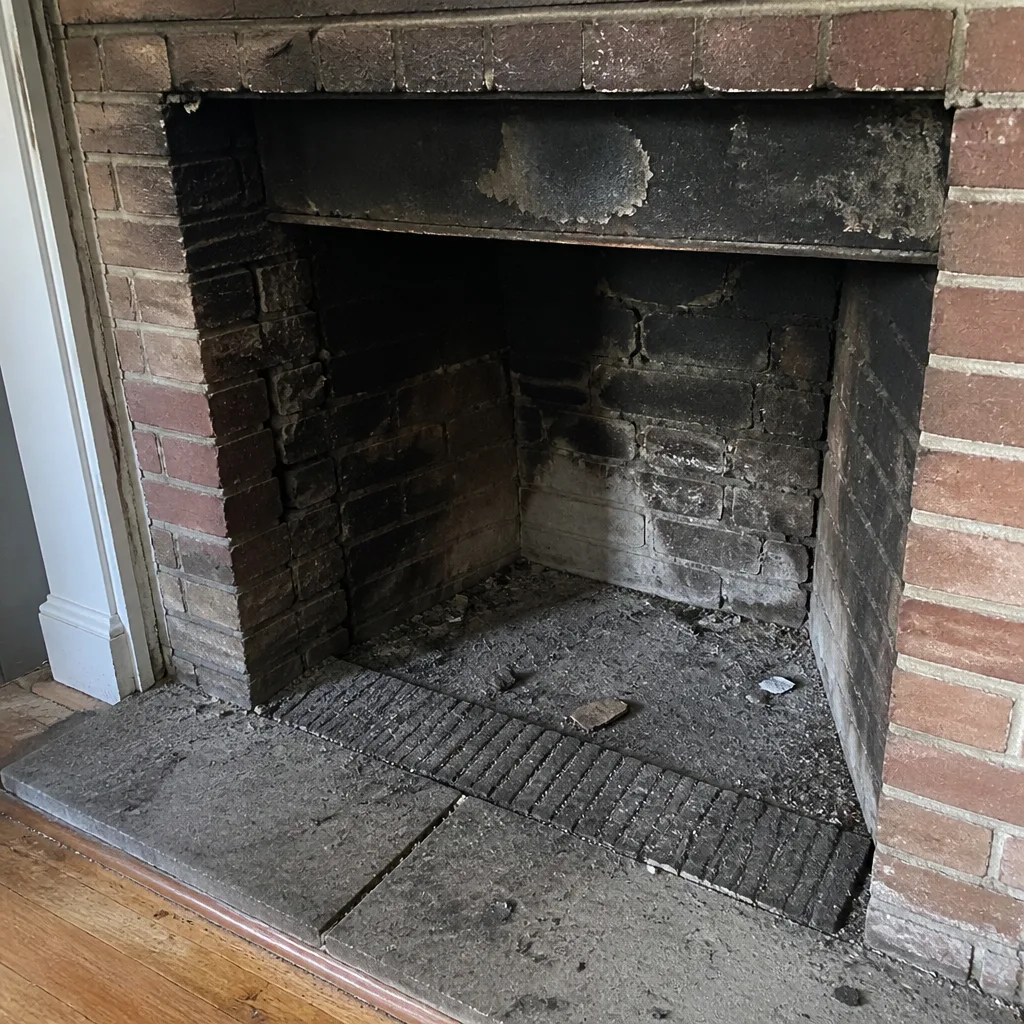
See the difference
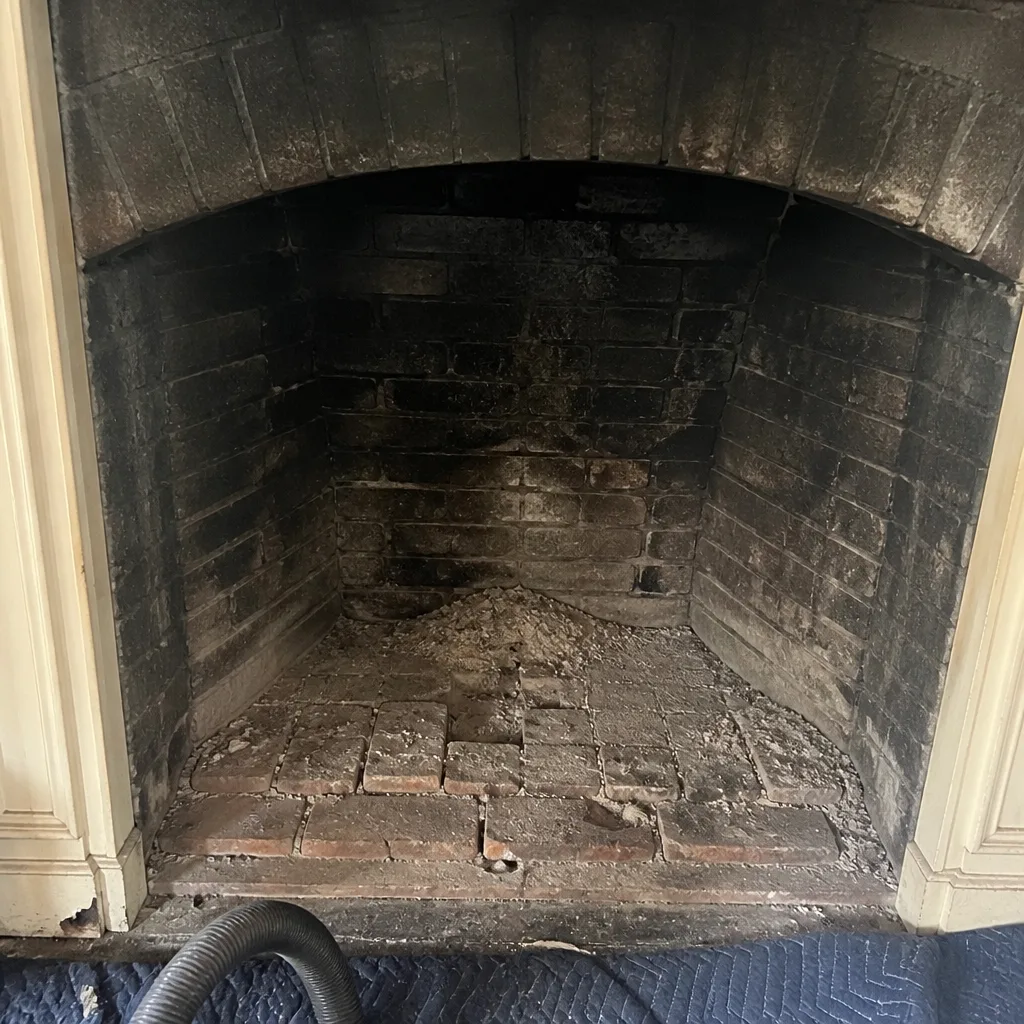 Before
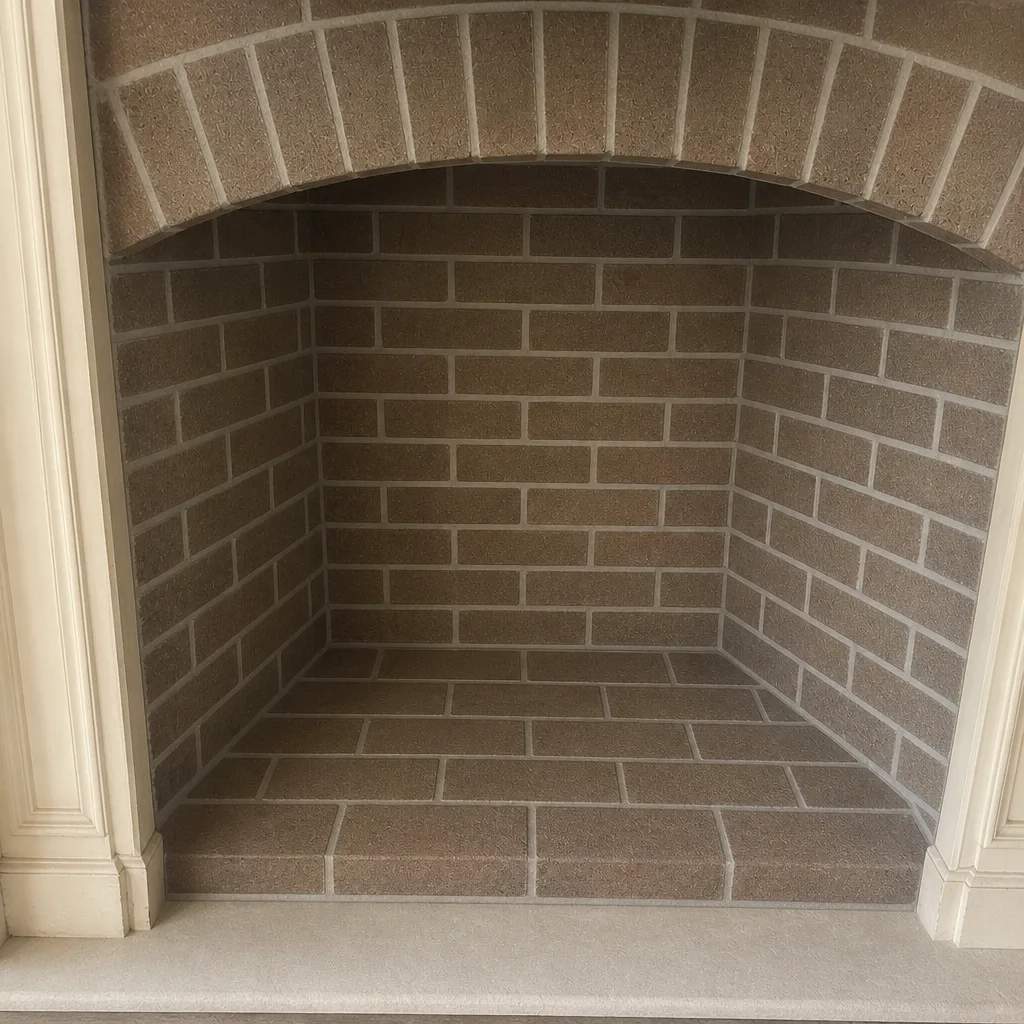 After
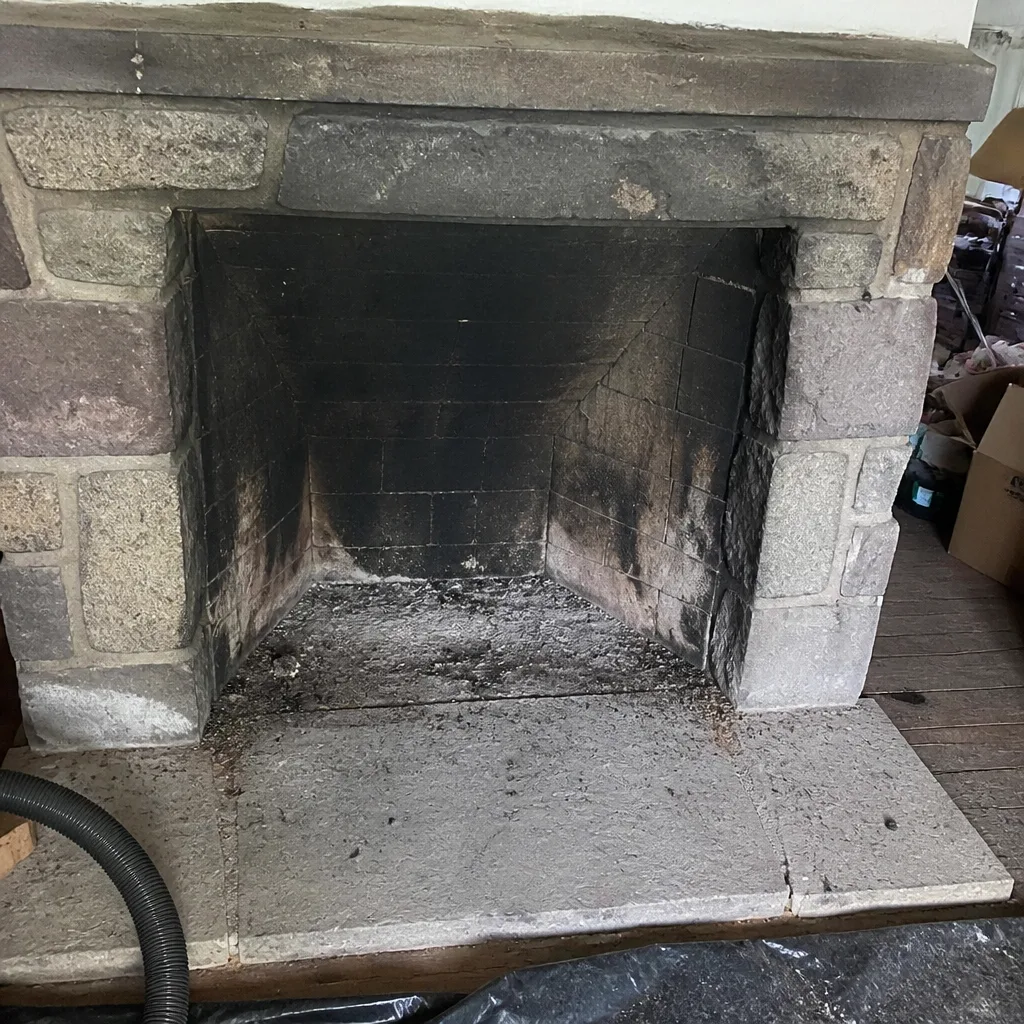 Before
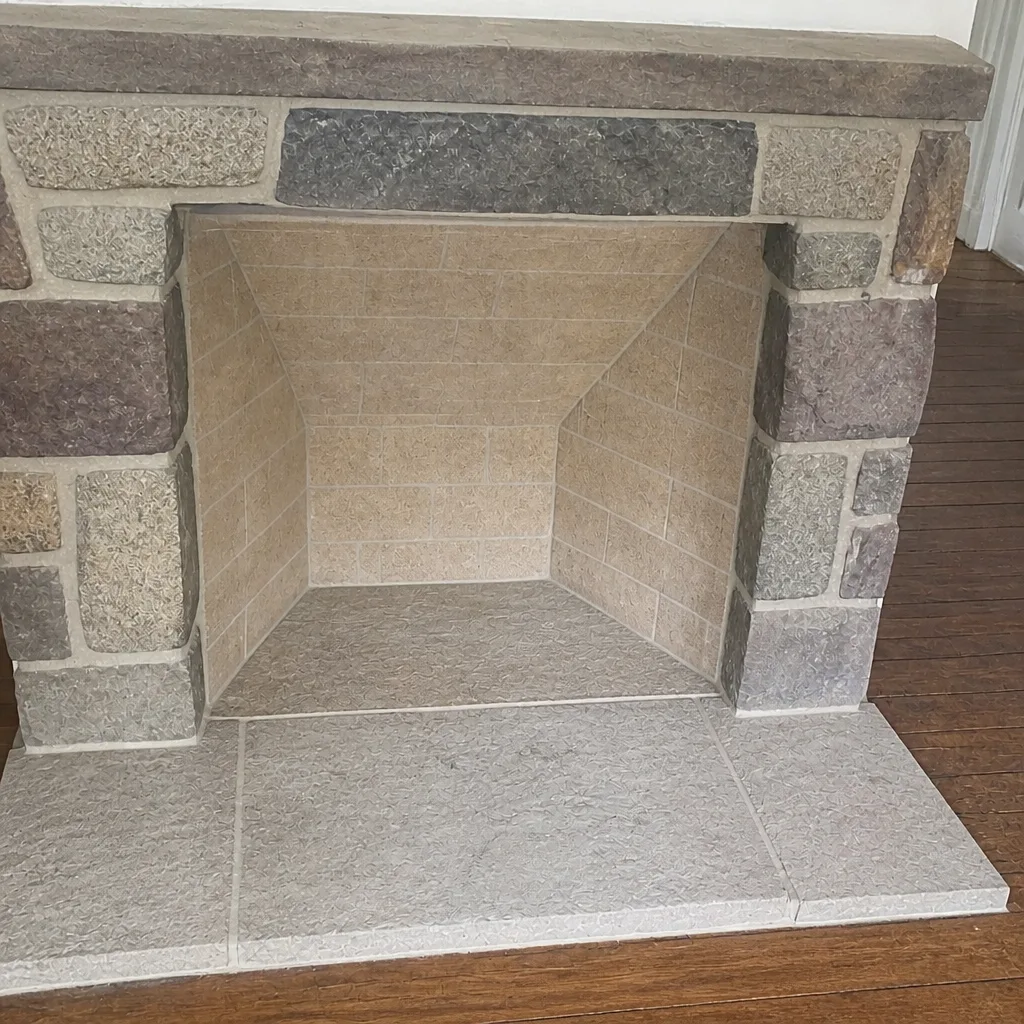 After
 Before
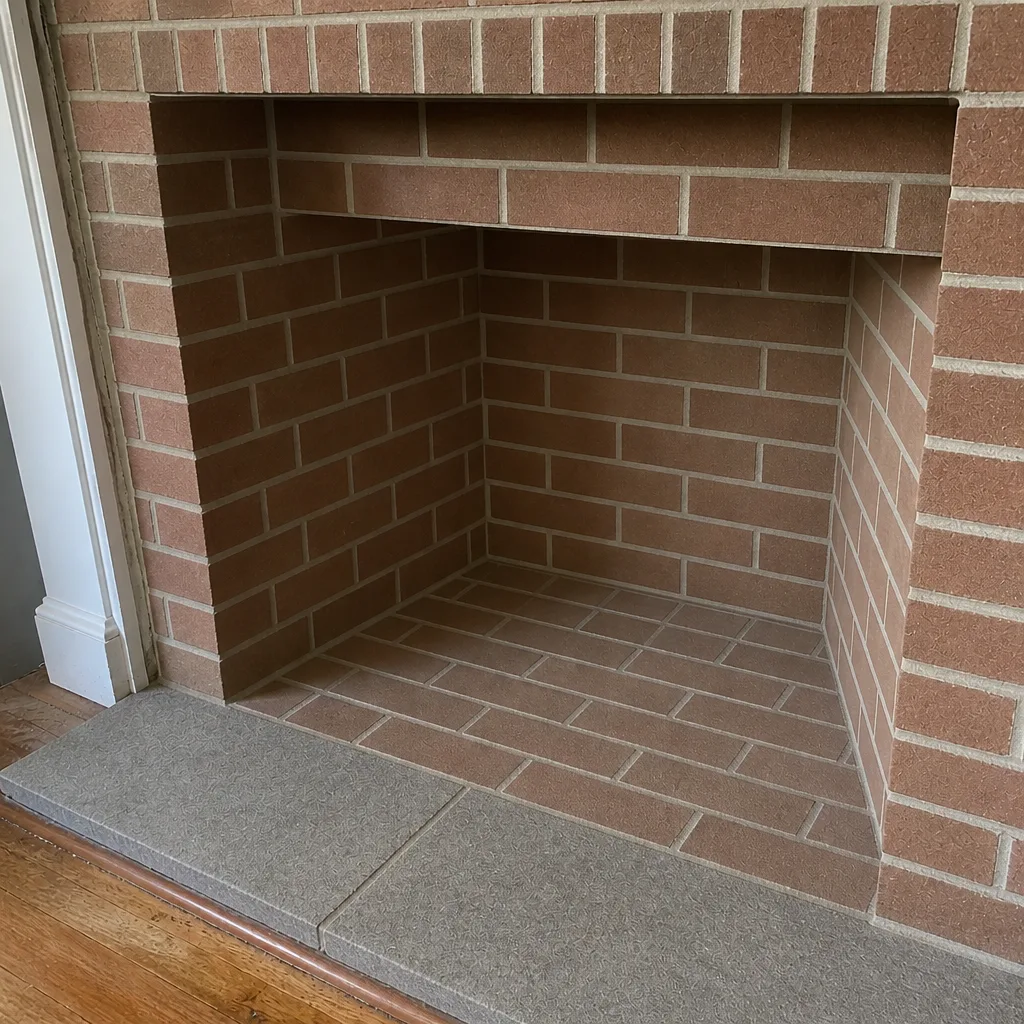 After
When to Call a Professional
Some jobs are homeowner observation, and some are a phone call. Call if the flue has not been swept in more than a year and you’ve been burning regularly; if you see spalling brick, a cracked or separated crown, or staining on the masonry; if smoke rolls into the room on startup or on a reload; if you smell a strong smoky or tarry odor when the fireplace is cold; if a wood stove’s gasket, door or damper seems off; or if you’re buying a home in Highbridge and want an objective condition report before you commit. Chimney Sweep Highbridge offers free estimates in Highbridge – call (833) 513-8797. We can arrange a standalone inspection if you’re not ready for anything else, and we can work with HeatShield flue resurfacing where a liner can be restored without full replacement.
Frequently Asked Questions
Once a year if you burn regularly, and again mid-season if you notice draft trouble or heavy smoke. Wood stoves running cooler fires often need more frequent attention than open fireplaces. A sweep in fall, an inspection in spring, and a mid-winter check is a sensible rhythm in this climate.
Yes, for damage. Spring inspection catches the spalling, crown cracks and liner damage that winter freeze-thaw has caused, while there’s still a warm, dry window to do repair work before humid summer weather. Fall inspection is still useful as preparation, but it comes later in the damage cycle. Call (833) 513-8797 for an exact quote on a standalone inspection – estimates are free.
Yes. A fitted cap keeps rain, nesting birds, insects and debris out of the flue during the months it isn’t in use. An open, wet flue through Highbridge’s humid summers is the reason a lot of winter damage starts. Gelco and Famco caps are purpose-built for this, and the fit matters more than the hardware.
Common residential services include sweeping, chimney cap and crown installation, chimney repair, fireplace repair and inspection. Inspection can be booked on its own, without a cleaning attached. If you need repair work after a report, the repair is sized to what the inspection found. Our Chimney Sweep Highbridge page covers the full range in one place.
Sometimes, yes. The HeatShield flue resurfacing system is designed to restore an existing liner where the condition allows, which is an option worth asking about before you accept a full reline quote. Not every liner can be resurfaced, and the decision should be based on the inspection. Call (833) 513-8797 and ask for a condition report that explains the options.
First, check the cap screen and confirm the damper is fully open. If it still smokes, book an inspection rather than troubleshooting further, because smoke rollout often points to an obstruction, a draft problem or a damaged liner. A mid-winter inspection is a normal call, not an emergency. We answer 24/7.
The Bottom Line
Year-round chimney care in Highbridge is a cycle, not a single appointment. Inspect in spring to catch winter damage while repair work is still easy. Keep the cap fitted and the damper closed through summer so moisture and debris don’t move in. In fall, sweep first, inspect second, and address the appliance before the first fire. Through winter, watch for odor, smoke rollout and draft change, and log what you see. Then keep a running owner log so every season builds on the last. Chimney Sweep Highbridge can handle the whole system across all four seasons: sweep, caps and crowns, repair, fireplace work and standalone inspection.
If one thing in this guide sticks, let it be the sequence, not any single task. Spring inspection and summer sealing are what let you look forward to fall preparation with confidence, and the log is what makes each year faster and better documented.
Call (833) 513-8797. We answer 24/7. Fast dispatch from 7am to 7pm, Sunday through Friday. Estimates are free and the price is set per job by the written estimate.
Written by the team at Chimney Sweep Highbridge.